
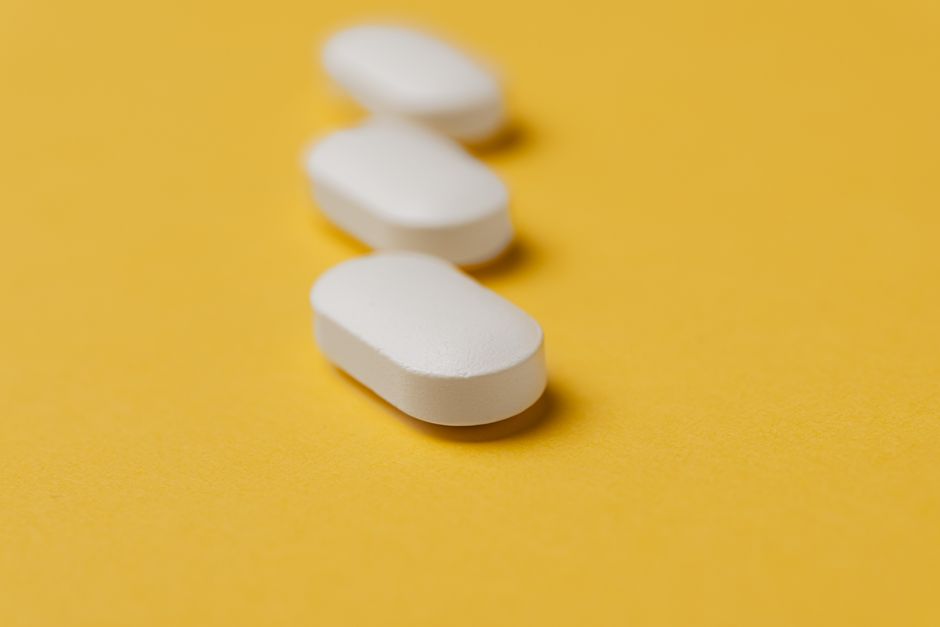
Poison ivy rashes are miserable. The itching, the blisters, and the swelling can disrupt sleep and daily life. Many people reach for over-the-counter creams first, but those often fail to calm a severe reaction. Clobetasol is a high-strength prescription steroid that can treat poison ivy effectively, but it is not a first-line option for everyone. It works by suppressing the intense immune response that causes the rash, yet it carries real risks that require careful use under medical supervision.
What Is Clobetasol and How Does It Work?
Clobetasol propionate is a super-potent topical corticosteroid. It is one of the strongest steroids available in cream, ointment, lotion, and foam forms. Doctors prescribe it for skin conditions like psoriasis, eczema, and severe contact dermatitis — which includes poison ivy.
The drug works by reducing inflammation at the cellular level. When urushiol, the oil in poison ivy, touches your skin, your immune system treats it as a threat. White blood cells flood the area and release chemicals that cause redness, swelling, and itching. Clobetasol blocks these inflammatory signals and slows the immune response. This stops the rash from progressing and eases symptoms quickly when applied early.
Because of its strength, clobetasol is reserved for short-term use. It is not a daily moisturizer or a preventive measure. It treats active flare-ups only.
Can Clobetasol Treat Poison Ivy?
Yes, clobetasol can treat poison ivy, but timing matters. The most effective window is within the first 48 hours of the rash appearing. Early application can stop the reaction from spreading and reduce the severity of blisters. Once the blisters have fully formed and weeping begins, the steroid has less impact on the visible rash, though it may still reduce itching.
For widespread poison ivy — covering large areas of the body or affecting the face, genitals, or a large percentage of skin — topical clobetasol is often not enough. In those cases, doctors typically prescribe oral steroids like prednisone. Oral steroids work through the bloodstream and reach every affected area at once.
Clobetasol is most appropriate for small, localized patches of poison ivy. A thin layer applied to the rash two to four times daily for up to two weeks is the common clinical approach. Your doctor will give you specific instructions based on the size and location of your rash.
How to Use Clobetasol Safely
Apply a thin film of clobetasol to the affected skin only. Do not cover it with bandages or plastic wrap unless your doctor explicitly tells you to. Occlusion increases absorption significantly, which raises the risk of side effects.
Wash your hands immediately after application unless the rash is on your hands. If it is on your hands, avoid touching your eyes, mouth, or other sensitive areas for at least an hour after applying.
Do not use clobetasol on broken skin, open blisters, or infected areas. The steroid can mask signs of infection and delay healing. If you suspect the rash is infected — look for pus, increasing pain, or fever — stop the steroid and contact a doctor.
Never use clobetasol on the face, groin, or armpits unless a dermatologist specifically instructs you to. These areas have thinner skin that absorbs the drug more readily, increasing the risk of thinning and stretch marks.



Side Effects of Clobetasol
Clobetasol is potent, and side effects are more common than with weaker steroids. Short-term use on small areas usually causes minimal problems, but side effects can still occur.
- Skin thinning: Prolonged use breaks down collagen in the skin, making it fragile and prone to tearing.
- Stretch marks: These can appear where the steroid is applied, especially in skin folds.
- Discoloration: The treated area may lighten or darken. This is often temporary but can persist.
- Burning or stinging: Some people feel a mild burning sensation when first applying the cream.
- Acne or folliculitis: The steroid can clog hair follicles and trigger breakouts.
More serious side effects occur when the drug is absorbed into the bloodstream. This happens with overuse, application to large body areas, or use on broken skin. Systemic absorption can suppress the adrenal glands, which produce hormones your body needs to manage stress and inflammation. This is rare with proper short-term use but is a genuine risk with misuse.
If you experience unusual fatigue, dizziness, or swelling after using clobetasol, contact a doctor promptly.
Who Should Not Use Clobetasol
Pregnant and breastfeeding women should avoid clobetasol unless a doctor determines the benefit clearly outweighs the risk. No large human trials have confirmed its safety during pregnancy, and super-potent steroids are generally avoided in this population.
Children are more vulnerable to the systemic effects of topical steroids. Their skin is thinner and their body surface area is larger relative to their weight. Clobetasol is rarely prescribed for children under 12 years old, and only under close dermatologist supervision.
People with diabetes should also use caution. Topical steroids can raise blood sugar levels, especially when applied to large areas or used for extended periods.
If you have a history of skin infections, poor circulation, or an allergic reaction to any corticosteroid, tell your doctor before using clobetasol.
Alternatives to Clobetasol for Poison Ivy
For milder poison ivy reactions, over-the-counter options often work well. Hydrocortisone 1% cream is the weakest steroid and is safe for small patches of rash. Calamine lotion dries weeping blisters and provides a cooling sensation. Oral antihistamines like diphenhydramine (Benadryl) reduce itching but do not treat the rash itself. They can also cause drowsiness, which may help you sleep through the night.
Cool compresses and oatmeal baths soothe the skin without any medication. These are safe for everyone and can be used alongside any treatment.
For severe or widespread poison ivy, oral prednisone is the standard treatment. A typical course lasts two to three weeks. Stopping oral steroids too early can cause the rash to rebound with more intensity.
Some people try natural remedies like jewelweed or apple cider vinegar. No clinical evidence confirms these work. They may provide temporary relief from cooling the skin, but they do not stop the immune reaction that drives the rash.
When to See a Doctor
See a doctor if the rash covers more than 10% of your body, affects your face, eyes, or genitals, or if you have trouble breathing or swallowing. These situations require medical evaluation and likely oral steroids.
Also seek care if the rash does not improve within two weeks, if it spreads despite treatment, or if you develop signs of infection. Fever, pus, increasing redness, or warmth around the rash are warning signs.
If you have a known severe allergy to poison ivy or have needed oral steroids in the past, call your doctor early in the reaction rather than waiting to see if topical treatment helps.
Does Clobetasol Stop the Rash from Spreading?
No. Clobetasol does not stop urushiol from spreading to other parts of your body. The rash spreads only where urushiol touched the skin, and it appears over several days as different areas react at different times. Washing the skin with soap and water within 30 minutes of exposure removes most urushiol and prevents further spread. After that window, the oil has bonded to the skin and washing will not help.
Clobetasol treats the inflammation where it is applied. It does not neutralize urushiol or prevent new patches from appearing. If new blisters show up after starting treatment, that is often the normal progression of the rash, not a failure of the medication.
Frequently Asked Questions
How quickly does clobetasol work on poison ivy?
Most people notice reduced itching and redness within 24 to 48 hours of the first application. Full resolution of the rash typically takes one to two weeks with consistent use.
Can I buy clobetasol over the counter?
No, clobetasol is a prescription medication. It is a super-potent steroid, and using it without medical supervision increases the risk of serious side effects.
Is clobetasol stronger than hydrocortisone for poison ivy?
Yes, clobetasol is significantly stronger than over-the-counter hydrocortisone. Hydrocortisone is classified as a low-potency steroid, while clobetasol is the highest potency class available.
Can I use clobetasol on my face for poison ivy?
No, you should not use clobetasol on your face unless a dermatologist specifically instructs you to. Facial skin is thin and highly absorbent, making it prone to thinning and permanent damage from super-potent steroids.
Clobetasol is a powerful tool for treating poison ivy, but it demands respect. Used correctly and briefly, it can shorten the misery of a rash significantly. Used carelessly, it can cause harm that outlasts the rash itself. When in doubt, contact a doctor before starting any prescription steroid.
