
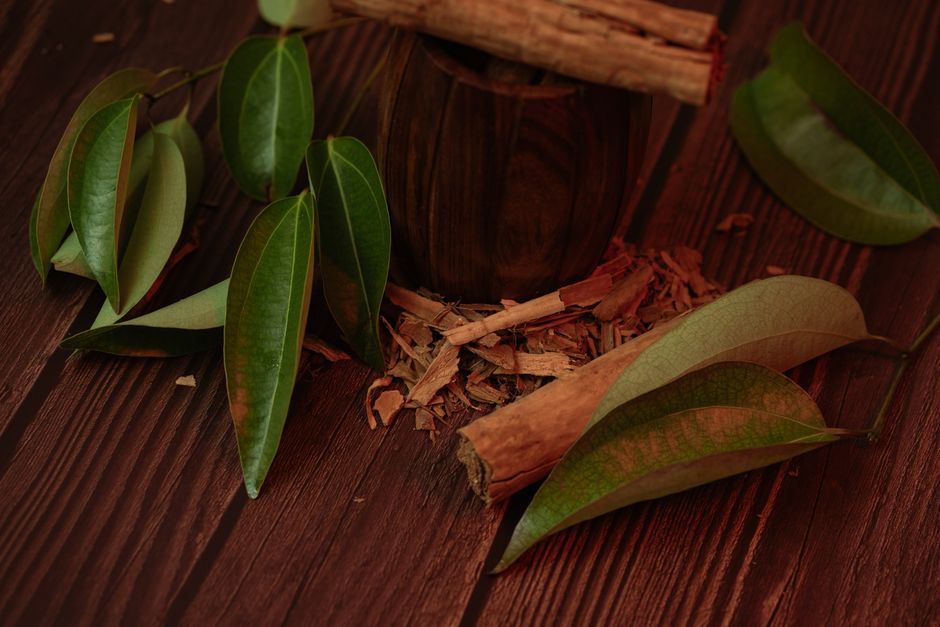
Cinnamon is one of the most stable spices in your kitchen, but it does not last forever. Yes, cinnamon can go bad in the sense that it loses its flavor, aroma, and potency over time. While it rarely becomes dangerous to eat, old cinnamon simply tastes like dusty wood, and ground cinnamon loses its punch much faster than whole cinnamon sticks. Here is what you need to know about how long cinnamon lasts, how to tell when it is past its prime, and why that expiration date on the jar is not the whole story.
How Long Does Cinnamon Actually Last?
Whole cinnamon sticks are remarkably durable. Stored properly in a cool, dark, dry place, they can retain decent flavor for up to three to four years. Some sources suggest they can last even longer, but the flavor will continue to fade gradually over time. The essential oils that give cinnamon its signature warmth and sweetness evaporate slowly, even when the spice is sealed.
Ground cinnamon is a different story. Because grinding exposes far more surface area to air, the volatile oils escape much faster. Ground cinnamon typically holds its best quality for about two to three years from the purchase date. After that point, it is not unsafe, but it will taste noticeably flat. If you buy cinnamon in bulk, plan to use it within that window or split it with a friend.
The dates printed on spice jars are usually “best by” dates, not safety dates. Manufacturers use these to indicate peak quality, not to warn that the product becomes harmful. A jar of cinnamon that is five years old will not make you sick, but it will likely add almost no flavor to your baking.
How to Tell If Cinnamon Has Gone Bad
Your senses are the most reliable tool for judging cinnamon quality. The first thing to check is smell. Fresh cinnamon has a strong, sweet, woody aroma that fills the air the moment you open the jar. If you have to stick your nose deep into the container to catch even a faint scent, the cinnamon is past its prime. If there is no smell at all, it is functionally dead as a flavoring agent.
Taste is the second test. Take a tiny pinch and place it on your tongue. Fresh cinnamon tastes warm, slightly sweet, and pungent. Old cinnamon tastes flat, dusty, or vaguely like cardboard. The difference is obvious when you compare them side by side, so if you are unsure, buy a fresh jar and do a direct comparison.
Visual changes matter less than you might think. Cinnamon does not typically grow mold because it is a dried spice with very low moisture content. If you do see fuzzy growth, that means moisture got into the jar, and you should throw it out immediately. Clumping is common in ground cinnamon and is not a sign of spoilage; it just means the powder absorbed some humidity. You can break up the clumps and use the cinnamon normally.
What Makes Cinnamon Deteriorate Faster?
Three enemies ruin cinnamon: light, heat, and air. Sunlight breaks down the essential oils in the spice, which is why clear glass jars on open shelves look pretty but shorten the shelf life. Heat accelerates the evaporation of those same oils. And air provides the oxygen that slowly oxidizes the compounds responsible for flavor.
Moisture is a fourth factor that is often overlooked. Even small amounts of humidity can degrade cinnamon quality and create conditions for mold growth. This is why storing cinnamon near the stove or above the dishwasher is a bad idea. The steam and heat from cooking will shorten its lifespan considerably.
How you handle the jar also matters. Every time you open the lid and shake out cinnamon, you introduce fresh air and release some of the aromatic compounds into the room. If you use cinnamon frequently, you are naturally accelerating its decline. This is normal and unavoidable, but it explains why a frequently used jar may lose flavor before the “best by” date arrives.
-
 Tasha Cobbs Weight Loss, Heart Attack, and Health: An Inspiring Journey
 -
Khloé Kardashian Weight Loss 2025: Her Journey, Diet, and Secrets Revealed
-
The Seven Worst Drinks For Gut Health [MUST AVOID].
-
Brain-Eating Amoeba Ozarks. Symptoms, Prevention, & Safety Guide
-
5 Home Remedies For Relieving Sciatic Nerve Pain Fast.





Does Cinnamon Ever Become Dangerous to Eat?
In ordinary household conditions, cinnamon does not become toxic or hazardous as it ages. It is a dried spice with antimicrobial properties, which is part of why it resists spoilage so well. The main risk is simply that it stops tasting like cinnamon.
The one exception is visible mold. If you see mold growing on cinnamon, discard it. Mold on spices can produce mycotoxins, which are compounds that can cause illness. This is rare, but it happens when moisture gets into the container. Any cinnamon that smells musty, earthy, or moldy should go straight into the trash.
Another point worth clarifying: cinnamon is not a high-risk food for foodborne illness. Unlike meat, dairy, or eggs, dried spices do not support the rapid growth of harmful bacteria. The FDA does not require refrigeration for cinnamon or any other dried spice. The safety concerns that apply to perishable foods simply do not apply here.
Best Ways to Store Cinnamon for Maximum Shelf Life
Store cinnamon in an airtight container in a cool, dark place. A pantry or a cabinet away from the stove is ideal. Avoid clear glass jars on countertops, even though they look nice in photos. Amber glass jars or opaque metal tins are better choices because they block light.
Keep the container tightly sealed after every use. Do not leave the lid off while you are cooking, even for a few minutes. Do not use a wet spoon to scoop cinnamon, because the moisture introduces a contamination risk. And do not store cinnamon above the stove, near the oven, or beside the refrigerator’s heat vent.
Whole cinnamon sticks stored in a sealed container in a cool pantry can easily last three to four years. Some culinary experts say they can last even longer, but the flavor will continue to fade. If you buy cinnamon sticks and grind them yourself in a spice grinder or with a microplane, you will get the freshest, most vibrant flavor possible. This is the single best way to maximize both shelf life and taste.
For ground cinnamon, buy smaller jars that you will use within a year or two. Buying a giant container from a warehouse store may seem economical, but if you use it slowly, the last half will likely be flavorless. If you do buy in bulk, consider transferring a portion to a small daily-use jar and keeping the rest sealed in the back of a cool cabinet.
Can You Revive Old Cinnamon?
No reliable method brings old cinnamon back to life. Once the essential oils have evaporated, they are gone. Heating old cinnamon does not restore its flavor; it just releases whatever faint aroma remains. Grinding old cinnamon sticks produces powder, but if the sticks themselves have lost their oils, the freshly ground powder will be just as weak.
If your cinnamon is old and flat, the honest answer is to replace it. Cinnamon is inexpensive compared to most grocery items, and a fresh jar makes a noticeable difference in baked goods, oatmeal, coffee, and savory dishes. Trying to compensate by using double or triple the amount of old cinnamon rarely works well, because the flavor profile changes as it degrades, not just the intensity.
One practical tip: write the purchase date on the jar with a permanent marker. This gives you a concrete reference point. When the date is more than two years old for ground cinnamon or three to four years for sticks, it is time to do the smell and taste test.
Does Cinnamon Expire Faster After Opening?
Yes, opening the jar starts the clock. The moment you break the seal, air enters and the oxidation process begins. An unopened jar of ground cinnamon can last closer to three years. An opened jar that is used regularly may lose noticeable flavor within one to two years.
This is not a safety issue. It is purely about quality. If you use cinnamon daily, you will likely finish the jar before it degrades significantly. If you use it only a few times a year for holiday baking, a small jar will last you years, but the flavor will decline gradually throughout that time.
Vacuum-sealed packaging and oxygen absorbers can extend shelf life, but these are used by commercial manufacturers, not home kitchens. At home, your best strategy is to buy what you will reasonably use and store it properly once opened.
Frequently Asked Questions
Can cinnamon make you sick if it is old?
Old cinnamon is not known to cause illness unless it has visible mold growth. The main problem with aged cinnamon is loss of flavor, not safety.
How can you tell if cinnamon has gone bad?
Smell it and taste it. If it has no aroma and tastes flat or dusty, it has lost its useful flavor. Visible mold or a musty smell means you should throw it away.
Does ground cinnamon last as long as cinnamon sticks?
No. Ground cinnamon lasts about two to three years, while whole cinnamon sticks can keep decent flavor for three to four years. Grinding exposes more surface area to air, which speeds up flavor loss.
Is it safe to use cinnamon past the expiration date?
Yes, it is generally safe to use, because the date on the jar indicates peak quality, not safety. The cinnamon will simply be weaker in flavor the longer you wait.
