
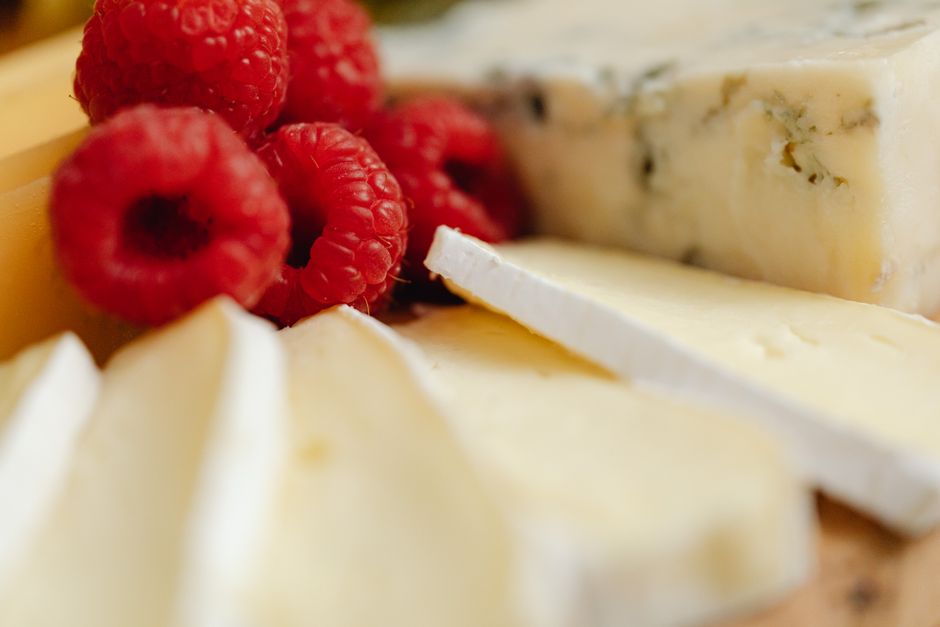
Yes, cheese can go bad. But the answer is more complicated than a simple yes or no. A hard cheddar might be perfectly fine months after its sell-by date, while a soft brie can turn unsafe in a matter of days once opened. The type of cheese, how it was stored, and what “bad” means to you all matter. Understanding the difference between a harmless surface mold and a spoiled, unsafe product is the key to avoiding waste and protecting your health.
How Can You Tell If Cheese Has Gone Bad?
Your senses are your best tools. Trust them. Spoiled cheese often shows clear warning signs before it becomes dangerous.
Look for changes in color. A cheese that develops pink, brown, or gray patches that were not there before is a bad sign. Also watch for an excessively slimy or sticky texture. This is different from the natural creaminess of a fresh mozzarella or the tacky feel of a washed-rind cheese. If the surface feels wet and gooey in a way that seems wrong, it likely is.
Smell is another major indicator. Cheese has a strong aroma naturally, but spoilage smells different. It is often described as smelling like ammonia, which smells like cleaning products, or like sour milk, which has a sharp, unpleasant tang. If the smell is overwhelming or makes you pull back, do not taste it.
Taste is the final test, but only if the visual and smell checks pass. A small piece of spoiled cheese will taste bitter, sour, or just “off.” If it tastes wrong, spit it out. Do not swallow it.
Why Does Cheese Go Bad?
Cheese is a living food. It contains active cultures and enzymes that continue to work even after it is packaged. This is part of why its flavor develops over time. But these same microbes are not the only ones at work.
Spoilage happens when unwanted bacteria, yeast, or mold find their way onto the cheese. These organisms break down the fats and proteins in the cheese. That breakdown produces the off-flavors, bad smells, and slimy textures you notice.
Moisture is the biggest factor. Bacteria and mold need water to grow. A dry, hard cheese like Parmesan has very little moisture, so it resists spoilage for a long time. A soft cheese like ricotta or cottage cheese is mostly water, making it a perfect breeding ground for microbes. This is why soft cheeses spoil in days while hard cheeses can last for weeks or months.
Oxygen is the other factor. Mold needs oxygen to grow on the surface. That is why you almost always see mold on the outside of a cheese block, not in the middle. Once the cheese is cut, the exposed surface gives mold a place to land and grow.
Can You Cut Off the Mold and Eat the Rest?
Sometimes yes, sometimes no. The rule depends entirely on the texture of the cheese.
For hard and semi-hard cheeses like cheddar, Swiss, and Parmesan, the answer is usually yes. Mold cannot penetrate deeply into these dense, low-moisture cheeses. The USDA recommends cutting off at least one inch around and below the moldy spot. Do not let the knife touch the mold, and re-cover the cheese with fresh wrap after cutting.
For soft cheeses like brie, camembert, cream cheese, and crumbled feta, the answer is no. Throw them away. The mold can spread its roots, called hyphae, throughout the soft, moist interior. You cannot see how far the contamination has spread. Eating a visibly moldy soft cheese carries a real risk of foodborne illness.
Shredded cheese is also a throw-away item if you see mold. The shredding process exposes more surface area and breaks down the structure, making it easier for mold to spread.





What Is the Best Way to Store Cheese?
Proper storage extends the life of your cheese and slows down spoilage. The goal is to control moisture and airflow.
Wrap cheese in a way that lets it breathe slightly. The best method is to use a piece of parchment paper or wax paper and then loosely place it in a plastic bag or container. This prevents the cheese from drying out while still allowing some airflow. Tight plastic wrap can trap moisture and cause the cheese to become slimy or develop an ammonia smell.
Store cheese in the warmest part of the refrigerator, which is usually the vegetable drawer or a door shelf. The main body of the fridge is too cold and can change the texture of the cheese. The ideal storage temperature for most cheeses is between 35°F and 45°F, which is the typical range in a refrigerator’s crisper drawer.
Keep different cheeses separate. A strong blue cheese can transfer its mold spores to a mild cheddar. This does not necessarily make the cheddar unsafe, but it will change its flavor and appearance.
Do not freeze cheese unless you plan to cook with it. Freezing damages the protein structure of cheese. When it thaws, it becomes crumbly and watery. The flavor is mostly preserved, but the texture is ruined for eating raw.
How Long Does Cheese Last in the Fridge?
There is no single answer because the shelf life varies hugely by type. The following are general guidelines for unopened and opened cheese kept in the refrigerator.
| Cheese Type | Unopened | Opened |
|---|---|---|
| Hard (Parmesan, aged cheddar) | Up to 6 months | 3-4 weeks |
| Semi-hard (Swiss, gouda, younger cheddar) | 2-3 months | 2-3 weeks |
| Soft-ripened (Brie, camembert) | Until sell-by date | 1 week |
| Fresh (Mozzarella, feta, ricotta) | Until sell-by date | 3-5 days |
These are estimates, not guarantees. The “sell-by” date is about peak quality, not safety. A hard cheese can be safe to eat weeks after that date if it looks and smells fine. A fresh cheese should be treated with more caution and consumed quickly.
What Happens If You Eat Bad Cheese?
Eating spoiled cheese can make you sick. The symptoms are similar to other types of food poisoning. They include stomach cramps, nausea, vomiting, and diarrhea. These symptoms usually appear within a few hours to a day after eating the contaminated food.
Most healthy adults recover from mild food poisoning without medical treatment. The main risk is dehydration from vomiting or diarrhea. Drinking fluids is important.
Certain groups face higher risks. Pregnant women, older adults, young children, and people with weakened immune systems should be especially careful. For these groups, a foodborne illness can be more severe. They should never eat cheese that shows any signs of spoilage.
If you develop a high fever, blood in your stool, or symptoms that last more than a couple of days, seek medical attention. These can be signs of a more serious infection.
Does the Type of Cheese Mold Matter?
Not all mold is bad. Some cheeses are made with mold on purpose. Blue cheese gets its veins from Penicillium roqueforti. Brie and camembert have a white rind from Penicillium camemberti. These are safe, intentional molds that are part of the cheese-making process.
The problem is when unintended molds grow on the surface. You cannot tell by looking which mold is which. A blue spot on a cheddar is not the same as the blue veins in a gorgonzola. The mold on the cheddar is a contaminant, not a cultivated culture.
Some molds produce toxins called mycotoxins. These can cause illness in humans. You cannot see these toxins, and they are not destroyed by cooking. This is another reason why cutting off mold is only acceptable for hard cheeses, where the mold has not penetrated deeply.
Frequently Asked Questions
Is it safe to eat cheese past its expiration date?
Often yes, for hard and semi-hard cheeses. The expiration date is about quality, not safety, and these cheeses can be safe for weeks past that date if they show no signs of spoilage. Soft and fresh cheeses should be discarded by the date on the package.
Can you get food poisoning from old cheese?
Yes, you can. Spoiled cheese can harbor harmful bacteria like Listeria or Salmonella, which cause foodborne illness. The risk is higher with soft cheeses because they spoil faster and support more bacterial growth.
Why does my cheese taste bitter all of a sudden?
A bitter taste is a common sign of spoilage. The breakdown of fats and proteins by unwanted bacteria produces bitter compounds. If your cheese tastes noticeably bitter and it did not before, throw it away.
Does freezing cheese stop it from going bad?
Freezing stops microbial growth, so the cheese will not spoil while frozen. However, freezing changes the texture, making it crumbly and watery when thawed. It is best used for cooking, not for eating raw.
