
Bronchitis is one of the most common reasons adults see a doctor for a lingering cough — and one of the most misunderstood. The short answer: acute bronchitis almost always resolves on its own within a few weeks, and there is no medication that cures the underlying infection faster. Chronic bronchitis is a different condition. It cannot be cured, but it can be managed with treatment that reduces symptoms and slows decline in lung function.
What Is Bronchitis, and What Causes It?
Bronchitis is inflammation of the bronchi — the large airways that carry air from your windpipe into your lungs. When those tubes become irritated or infected, they swell and produce mucus, which triggers the cough that defines the condition.
Acute bronchitis is usually caused by a virus. The same viruses that cause the common cold and flu — rhinovirus, influenza, respiratory syncytial virus, and others — are the typical culprits. Bacteria cause a minority of cases.
Chronic bronchitis is not an infection. It is defined by a persistent cough that produces mucus on most days for at least three months per year, for two consecutive years. It falls under the umbrella of chronic obstructive pulmonary disease, or COPD. Cigarette smoking is the leading cause. Long-term exposure to air pollution, dust, and chemical fumes also contributes.
The distinction matters enormously because the two conditions have different causes, different courses, and different answers to the question of whether they can be cured.
Can Acute Bronchitis Be Cured?
Acute bronchitis heals on its own in the vast majority of cases. The infection runs its course, the airway inflammation subsides, and the cough gradually fades. No antibiotic, antiviral, or other medication is known to shorten that process in otherwise healthy adults.
This is where a lot of confusion lives. People expect a prescription to fix bronchitis because that is often what happens with bacterial infections like strep throat. But bronchitis is usually viral, and antibiotics do not work against viruses. Even in the minority of cases where bacteria are involved, evidence does not support routine antibiotic use for acute bronchitis in healthy adults.
What actually happens is that your immune system clears the infection. The cough can last longer than people expect — often two to three weeks, and sometimes up to eight weeks — even after the infection is gone. That lingering cough does not mean the bronchitis is getting worse or that treatment failed. It means the airways are still healing.
Some clinicians recommend rest, fluids, and over-the-counter remedies to manage symptoms while the body does the work. Honey has modest evidence for soothing cough in adults and children over age one. It is not a cure, but it may reduce coughing enough to help you sleep.
Can Chronic Bronchitis Be Cured?
Chronic bronchitis cannot be cured. The airway damage and inflammation that define it are not reversible with current treatments. What can change is how much it affects your daily life and how quickly it progresses.
The single most important step is stopping smoking. In people who smoke and have chronic bronchitis, quitting is the only intervention shown to slow the rate at which lung function declines. This is not a small effect — it changes the trajectory of the disease.
Other management approaches include:
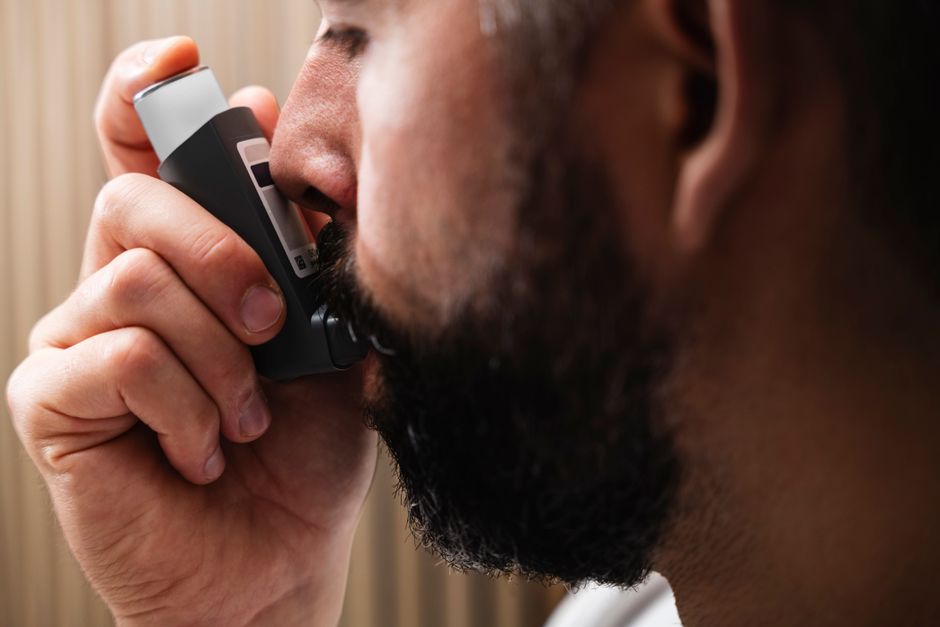
- Bronchodilator inhalers that open narrowed airways and ease breathing
- Pulmonary rehabilitation programs that improve exercise tolerance and reduce breathlessness
- Vaccination against influenza, pneumococcal infection, and COVID-19 to reduce flare-ups
- Oxygen therapy for people with severely low blood oxygen levels
- Smoking cessation support, including counseling and medication
Some people with chronic bronchitis experience periodic worsening of symptoms called exacerbations. These may be triggered by respiratory infections or environmental irritants. Exacerbations can require antibiotics or corticosteroids, but these treat the flare-up, not the underlying disease.
Lung function in chronic bronchitis tends to decline over time, especially in people who continue to smoke. Treatment aims to slow that decline, reduce symptoms, and prevent complications. It does not reverse existing damage.





How Long Does Bronchitis Last?
Acute bronchitis typically improves within two to three weeks, though the cough can linger for up to eight weeks in some people. This is normal and does not usually indicate a complication.
Chronic bronchitis is ongoing by definition. Symptoms persist for months at a time and recur year after year. The goal of treatment is not to make it disappear but to keep it manageable.
If a cough lasts more than eight weeks, doctors call it chronic cough. At that point, other causes need to be considered — asthma, acid reflux, postnasal drip, or chronic bronchitis among them. A cough that will not go away deserves a medical evaluation rather than continued waiting.
When Should You See a Doctor for Bronchitis?
Most cases of acute bronchitis do not require medical care. But some symptoms signal something more serious and warrant prompt attention.
See a doctor if you have:
- A cough that produces blood
- High fever, especially above 100.4°F (38°C) that lasts more than a few days
- Shortness of breath at rest or with minimal activity
- Chest pain that worsens with breathing or coughing
- Symptoms that worsen instead of improve after two to three weeks
- Underlying lung disease, heart disease, or a weakened immune system
These signs could point to pneumonia, which is a lung infection that does require treatment and can be serious. Pneumonia and acute bronchitis can look similar at first, but pneumonia tends to cause higher fever, more severe breathlessness, and a feeling of being significantly unwell. A doctor can distinguish between them with an exam and sometimes a chest X-ray.
People with COPD who notice a sudden worsening of cough, mucus production, or breathlessness should contact their doctor. Exacerbations of chronic bronchitis can be treated, and early treatment may reduce the severity.
Can Bronchitis Be Prevented?
You cannot prevent every case of acute bronchitis, but you can reduce your risk. The same habits that lower your chance of catching a cold or flu also lower your chance of developing bronchitis.
Steps that help:
- Wash your hands frequently, especially during cold and flu season
- Avoid close contact with people who are sick
- Get recommended vaccines, including annual influenza vaccination
- Do not smoke, and avoid secondhand smoke
- Limit exposure to air pollution and occupational irritants
For chronic bronchitis, prevention means avoiding the things that cause it in the first place. Not smoking is the most effective step. If you already smoke, quitting at any age slows lung function decline. The earlier you stop, the more lung function you preserve.
There is no vaccine or medication that prevents chronic bronchitis once the airways are damaged. Avoiding tobacco smoke and reducing exposure to lung irritants are the only proven ways to lower your risk.
Does Bronchitis Ever Go Away Without Treatment?
Acute bronchitis goes away without treatment in most healthy people. The infection clears, inflammation resolves, and the cough fades over a few weeks. Symptom relief — rest, fluids, honey, humidified air — can make that time more comfortable, but it does not speed healing.
Chronic bronchitis does not go away on its own. It is a long-term condition that requires ongoing management. Without treatment and without quitting smoking, it tends to worsen over time. With treatment and lifestyle changes, many people with chronic bronchitis maintain a good quality of life for years.
The word “cure” fits acute bronchitis well. It does not fit chronic bronchitis. Understanding which one you are dealing with is the first step toward the right expectations and the right care.
Frequently Asked Questions
Can bronchitis be cured with antibiotics?
Antibiotics do not cure acute bronchitis in most cases because it is usually caused by a virus, and antibiotics do not work against viruses. They may be used for confirmed bacterial infections or certain flare-ups of chronic bronchitis, but routine use is not supported by evidence.
How long does bronchitis usually last?
Acute bronchitis typically improves within two to three weeks, though the cough can linger for up to eight weeks. Chronic bronchitis is ongoing and does not resolve on its own.
Is bronchitis contagious?
Acute bronchitis caused by a virus can be contagious, usually through droplets from coughing or sneezing. Chronic bronchitis is not contagious because it is not caused by an infection.
Can chronic bronchitis be reversed?
No, chronic bronchitis cannot be reversed with current treatments. Stopping smoking is the only intervention shown to slow the decline in lung function, and treatment focuses on managing symptoms and preventing flare-ups.
