
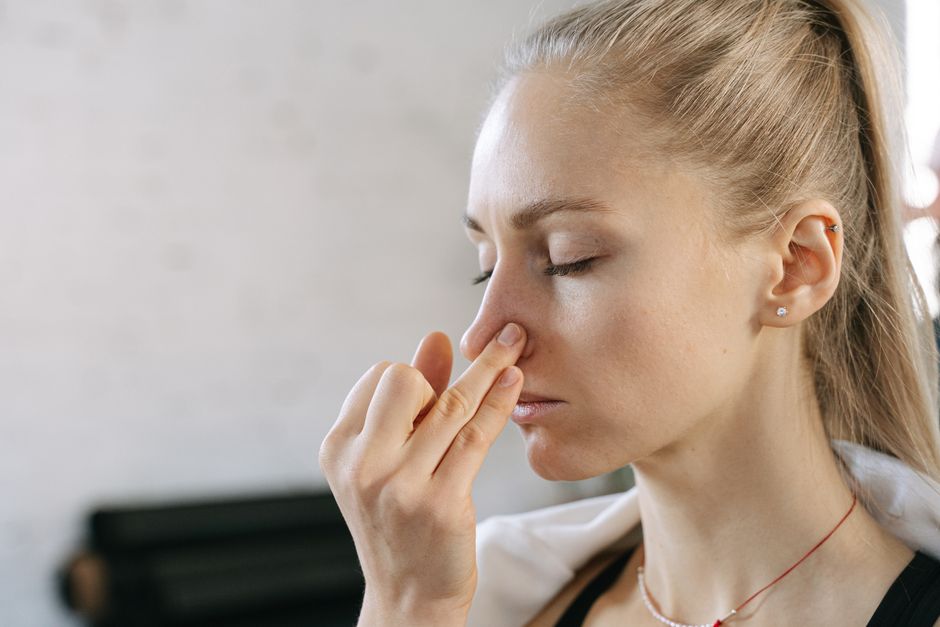
Feeling like you can breathe in through your nose but not out is a strange and often frustrating sensation. It can make you feel short of breath, anxious, and like you are constantly fighting for air. This feeling is usually not a sign that your airway is completely blocked. Instead, it often comes down to how your nose functions, pressure changes, and the specific mechanics of inhaling versus exhaling.
Why Does It Feel Like I Can Inhale But Not Exhale Through My Nose?
The most common reason for this sensation is nasal valve collapse. This is a physical issue where the sidewalls of your nose are too weak or flexible. When you breathe in, the negative pressure inside your nose pulls these walls inward, narrowing the passage. When you breathe out, the pressure pushes the walls outward, which should open the passage more.
However, if the walls collapse on the inhale, it creates turbulence and a feeling of obstruction. Many people describe this as being able to get air in, but feeling like the air “gets stuck” or cannot escape freely. This is not a complete blockage; it is a dynamic narrowing that changes with the direction of airflow.
Another factor is the structure of the nostrils themselves. The internal nasal valve is the narrowest part of the entire airway. It is located just inside the nostril. Even a small amount of swelling, congestion, or structural weakness here can dramatically affect airflow, especially during the higher-velocity flow of an inhale.
What Causes Nasal Valve Collapse and This Sensation?
Several factors can contribute to this specific breathing pattern. It is not usually a single cause but a combination of anatomy and temporary conditions.
- Age-related changes: As we age, the cartilage in our nose naturally loses strength and elasticity. This can lead to a gradual weakening of the nasal sidewalls, making collapse more likely.
- Previous nasal surgery: Procedures like rhinoplasty (nose job) or septoplasty can occasionally alter the structural support of the nose. In some cases, this can lead to internal scarring or weakening that contributes to valve collapse.
- Facial muscle weakness: The muscles that help keep the nostrils open can weaken over time, similar to muscles elsewhere in the body.
- Mild congestion: Even subtle swelling from allergies or a mild cold can turn a “borderline” nasal valve into a problem. The added swelling reduces the already narrow space, making the collapse more pronounced.
It is important to distinguish this from a fixed blockage, such as a severely deviated septum or nasal polyps. A fixed blockage usually makes it difficult to breathe through that nostril in both directions. The “in but not out” pattern points strongly toward a dynamic issue like valve collapse.
Is This a Sign of a Serious Medical Problem?
In most cases, this sensation is not dangerous. It is a mechanical issue, not a sign of a lung or heart problem. If you can inhale sufficient air, your body is getting oxygen. The anxiety and discomfort come from the feeling of incomplete exhalation, not from a true lack of oxygen.
However, there are times when this symptom warrants medical attention. You should see a doctor if you also experience chest pain, wheezing, or shortness of breath that does not improve when you breathe through your mouth. These could be signs of lower airway issues like asthma or COPD, which are separate from the mechanics of the nose.
If the problem is persistent and affects your sleep quality or daily energy, it is worth a professional evaluation. An Ear, Nose, and Throat (ENT) specialist can perform a specific test called a Cottle maneuver. In this test, the doctor gently pulls the skin on your cheek outward. If your breathing improves significantly, it confirms that nasal valve collapse is the primary issue.





Can Breathe In Through Nose But Not Out: What Are the Treatment Options?
Treatment depends on the severity of your symptoms and the underlying cause. For many people, simple, non-invasive options provide significant relief.
Nasal dilators are often the first line of defense. These are small, spring-loaded devices that fit inside the nostrils to physically hold them open. They are available over-the-counter and can be used during the day or at night. Many people find them highly effective for this specific complaint because they directly counteract the collapse.
External nasal strips, like Breathe Right strips, work similarly but from the outside. They lift the sidewalls of the nose, reducing the collapse on inhalation. They are a good, low-cost option to test whether keeping the nasal walls open resolves the problem.
Prescription nasal sprays are only helpful if inflammation is a contributing factor. Steroid sprays like fluticasone (Flonase) reduce swelling but do not fix a structural collapse. If your issue is purely structural, these sprays will not help the “in but not out” feeling.
For severe cases that do not respond to external devices, surgery may be an option. An ENT surgeon can perform a procedure to support the nasal sidewalls, often using cartilage grafts from the ear or septum. This is a permanent solution but involves standard surgical risks like bleeding, infection, and scarring. It is typically considered only when conservative treatments fail to provide adequate relief.
Why Does This Feeling Get Worse at Night or When Lying Down?
Many people report that this sensation worsens when they lie down to sleep. There are two primary reasons for this. First, lying down increases the blood volume in the upper body, including the nasal mucous membranes. This can cause slight swelling that narrows the nasal passages further.
Second, gravity changes the position of the soft tissues in your face and neck. When you are upright, gravity pulls tissues downward and away from the nasal openings. When you lie flat, the soft palate and other tissues can shift position, potentially increasing resistance to airflow. This combination of increased swelling and positional tissue shift makes the dynamic collapse of the nasal valve more noticeable.
Sleeping with your head elevated on an extra pillow can sometimes reduce this effect. This simple change uses gravity to help reduce nasal swelling and keeps the airway in a more open position.
Are There Breathing Techniques That Can Help?
Some people find that consciously changing their breathing pattern helps. When you feel the “stuck” sensation, you might be trying to force the air out. This creates turbulence and makes the problem worse.
Try breathing out slowly through pursed lips—as if you are gently blowing through a straw. This creates a small amount of back-pressure in your airway, which can help keep the nasal passages open during the exhale. Once you finish the exhale, take a normal breath in through your nose.
Another technique is to breathe in through your nose and out through your mouth temporarily. This breaks the cycle of anxiety associated with the nasal exhalation difficulty. It does not fix the underlying collapse, but it can help you relax and reduce the panic that often accompanies this sensation.
These techniques are management tools, not cures. They do not change the structure of your nose, but they can help you feel more in control of your breathing until you find a more permanent solution.
When Should You See a Doctor About Nasal Breathing Issues?
You should consider a medical evaluation if the problem is persistent, worsening, or interfering with your quality of life. Specifically, you should seek care if you experience loud snoring or gasping during sleep, as this could indicate sleep apnea. While nasal valve collapse itself is not sleep apnea, it can contribute to overall airway resistance during sleep.
You should also see a doctor if you have a history of nasal trauma or recent surgery and suddenly develop this symptom. This could indicate a new structural problem that needs attention.
For most people, however, this is a manageable condition. It is a mechanical nuisance, not a medical emergency. Understanding that the sensation is due to the dynamics of airflow and pressure—not a blocked airway—can itself reduce the anxiety that makes the problem feel worse.
Frequently Asked Questions
Why can I breathe in through my nose but not out?
This is most often caused by nasal valve collapse, where the sidewalls of your nose narrow when you inhale. The pressure of inhaling pulls the walls inward, creating a sensation of obstruction that is less noticeable when you exhale.
Can nasal strips help with nasal valve collapse?
Yes, external nasal strips are often effective for mild to moderate nasal valve collapse. They work by lifting the sidewalls of your nose to keep the airway open during inhalation.
Is surgery the only permanent fix for this breathing problem?
No, surgery is not the only option, and it is usually a last resort. Many people find adequate relief with nasal dilators or strips, and some benefit from managing underlying allergies or congestion that worsen the collapse.
Does this breathing issue affect sleep quality?
Yes, it can. The sensation is often worse when lying down due to increased nasal swelling, and it can contribute to snoring or restless sleep. Elevating your head with extra pillows may help reduce the effect at night.
