
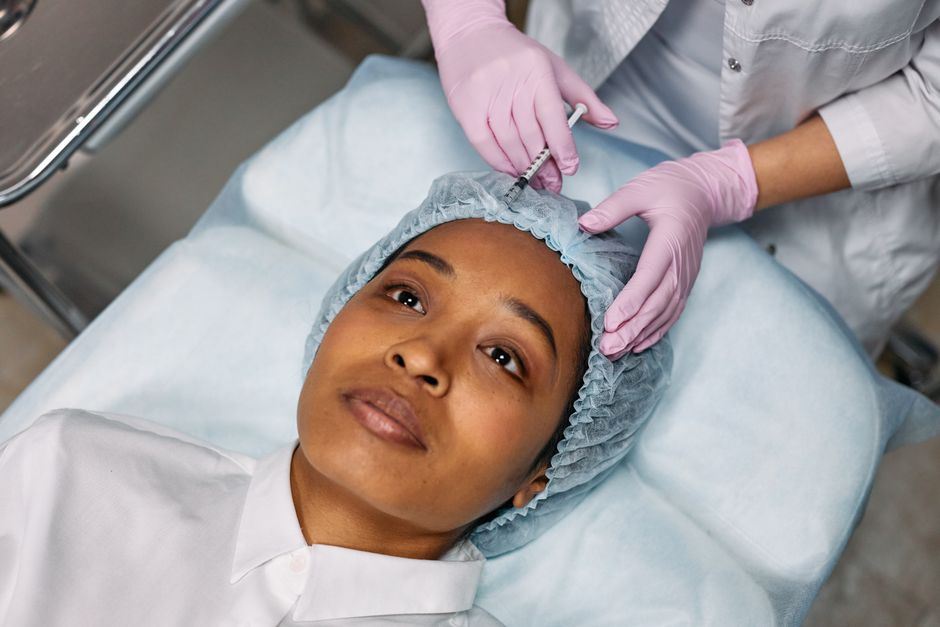
Botox, the same treatment used to smooth facial wrinkles, is increasingly discussed as a way to improve the appearance of scars. The short answer is yes, Botox can improve certain types of scars, particularly those that are raised, thick, or puckered. It works by relaxing the muscles beneath the scar, which reduces tension on the healing tissue and prevents the scar from becoming prominent. However, it is not a universal solution for all scar types, and the evidence supporting its use is still developing compared to traditional scar treatments.
How Does Botox Affect Scar Tissue?
Botox, or botulinum toxin type A, is a purified protein that temporarily blocks nerve signals to muscles. When injected into a muscle, it causes that muscle to relax and stop contracting. This is the same mechanism that smooths dynamic wrinkles on the forehead, which are caused by repeated muscle movement.
For scars, the logic is similar but applied to wound healing. When a scar forms over a moving muscle, like on the face, neck, or chest, every muscle contraction pulls on the healing tissue. This constant tension can cause the scar to widen, thicken, and become more noticeable. By paralyzing the muscle underneath, Botox creates a period of relative stillness, allowing the scar to heal flatter and with less distortion.
This approach is most useful for hypertrophic scars and keloids, which are characterized by excess collagen production. It is also used for cicatricial ectropion, a condition where scarring pulls the eyelid outward. The clinical rationale is sound: reduce mechanical stress on the wound during the critical remodeling phase, which lasts several months after injury.
What Types of Scars Respond Best to Botox?
Botox is not effective for all scars. Its benefit depends heavily on the location and type of the scar.
Scars that respond well:
- Facial scars, especially those on the forehead, between the eyebrows, and around the mouth.
- Scars from surgery where the incision crosses a muscle, such as a thyroidectomy scar on the neck.
- Hypertrophic scars that are raised and red but stay within the original wound boundary.
- Scars that appear puckered or indented due to muscle pull.
Scars that do not respond well:
- Flat, pale, mature scars that are years old.
- Scars on areas with little muscle movement, like the shin or back.
- Atrophic (sunken) scars, such as those from severe acne, where the issue is loss of tissue, not muscle tension.
For acne scars, Botox is not a primary treatment. Dermal fillers, laser resurfacing, and microneedling are more established options because they address collagen loss and skin texture directly.
What Does the Clinical Evidence Show?
Research on Botox for scars is promising but not conclusive. Several small clinical studies have shown that injecting Botox into the wound margins immediately after surgery or injury leads to better cosmetic outcomes compared to a placebo. These studies typically measure scar width, height, color, and overall appearance using standardized scales.
Some research suggests that Botox may also have a direct effect on scar formation beyond muscle paralysis. Laboratory studies have found that botulinum toxin can reduce the activity of fibroblasts, the cells responsible for producing collagen. This could mean Botox influences scar tissue at a cellular level, not just by reducing movement. However, this mechanism is not fully understood in humans, and more research is needed.
The evidence is strongest for prevention—using Botox early, during the healing phase—rather than treating an old, established scar. Injecting Botox into a mature scar that is already flat and pale is unlikely to produce any visible change.
One limitation of the current research is the lack of large, randomized controlled trials. Most studies have fewer than 30 participants, and follow-up periods are often short. This makes it difficult to draw firm conclusions about long-term effectiveness and optimal dosing.





How Is Botox Administered for Scars?
The procedure is performed in a doctor’s office and takes about 15 to 20 minutes. The skin is cleaned, and a fine needle is used to inject small amounts of Botox into the muscle beneath the scar. The number of injections depends on the size and location of the scar.
For surgical scars, the injections are often given at the time of surgery or within a few days afterward. The goal is to immobilize the area during the first few months of healing, which is when the scar is most vulnerable to tension.
The effects of Botox are not permanent. The muscle paralysis lasts for about three to four months. After that, the muscle gradually regains function. However, by that time, the scar has often completed its initial remodeling phase, and the cosmetic benefit can be lasting.
It is important to note that Botox for scars is an off-label use. This means the FDA has not specifically approved Botox for this purpose, although it is approved for reducing wrinkles and other medical conditions. Off-label use is legal and common in medicine, but it means the treatment is based on clinical judgment and emerging evidence rather than formal regulatory approval.
What Are the Risks and Side Effects?
Botox is generally considered safe when administered by a qualified medical professional. The most common side effects are mild and temporary, including:
- Redness, swelling, or bruising at the injection site.
- Headache.
- Temporary weakness in nearby muscles.
- Drooping eyelid or eyebrow, especially when treating scars near the eye.
Serious complications are rare but can occur if the toxin spreads beyond the injection site. Symptoms of spread include difficulty swallowing, speaking, or breathing. This is more of a concern with high doses used for medical conditions like muscle spasticity, not with the small doses typically used for scars.
Botox should not be used by pregnant or breastfeeding women, as its safety in these populations has not been established. People with certain neurological conditions, such as myasthenia gravis or Lambert-Eaton syndrome, should also avoid Botox.
How Does Botox Compare to Other Scar Treatments?
Botox is one of several options for scar management. It is not a replacement for standard treatments but can be used alongside them.
| Treatment | Best For | How It Works |
|---|---|---|
| Botox | Hypertrophic scars on moving areas | Relaxes muscle to reduce tension |
| Silicone sheets or gels | All scars, especially new ones | Hydrates and flattens scar tissue |
| Corticosteroid injections | Thick, raised scars and keloids | Reduces inflammation and collagen |
| Laser therapy | Redness, texture, and pigmentation | Remodels collagen and blood vessels |
| Pressure therapy | Burn scars | Applies constant pressure to flatten scar |
Silicone sheets and corticosteroid injections remain the first-line treatments for most scars. They have decades of evidence behind them and are inexpensive. Botox is best viewed as an adjunct, particularly for facial scars where muscle movement is a major factor.
Is Botox for Scars Right for You?
If you have a new scar on your face or neck, or you are about to undergo surgery in an area with high muscle activity, Botox may be worth discussing with a dermatologist or plastic surgeon. The best results are seen when Botox is used early in the healing process, not months or years later.
If you have an old scar, Botox is unlikely to help. Your doctor may recommend laser therapy, fillers, or surgical revision instead.
Botox for scars is not covered by insurance because it is considered a cosmetic procedure. The cost varies by region and provider, but expect to pay a few hundred dollars per session.
The decision to use Botox for a scar should be made with a qualified physician who can assess your specific scar type, location, and healing potential. No clinical guidelines currently exist for the use of Botox in scar management, which means treatment protocols vary between providers.
Frequently Asked Questions
How long after surgery should I get Botox for a scar?
Botox is most effective when injected at the time of surgery or within the first few days afterward. This allows the muscle to stay relaxed during the critical early healing phase.
Does Botox work on old scars?
No, Botox is unlikely to improve old, mature scars that are already flat and pale. It works best as a preventive treatment during active wound healing.
Is Botox for scars permanent?
No, the muscle-relaxing effect lasts about three to four months. However, the cosmetic benefit to the scar can be lasting because the initial healing phase is protected from tension.
Can Botox be combined with other scar treatments?
Yes, Botox is often used alongside silicone sheets, steroid injections, or laser therapy. These treatments address different aspects of scar formation and can complement each other.
