
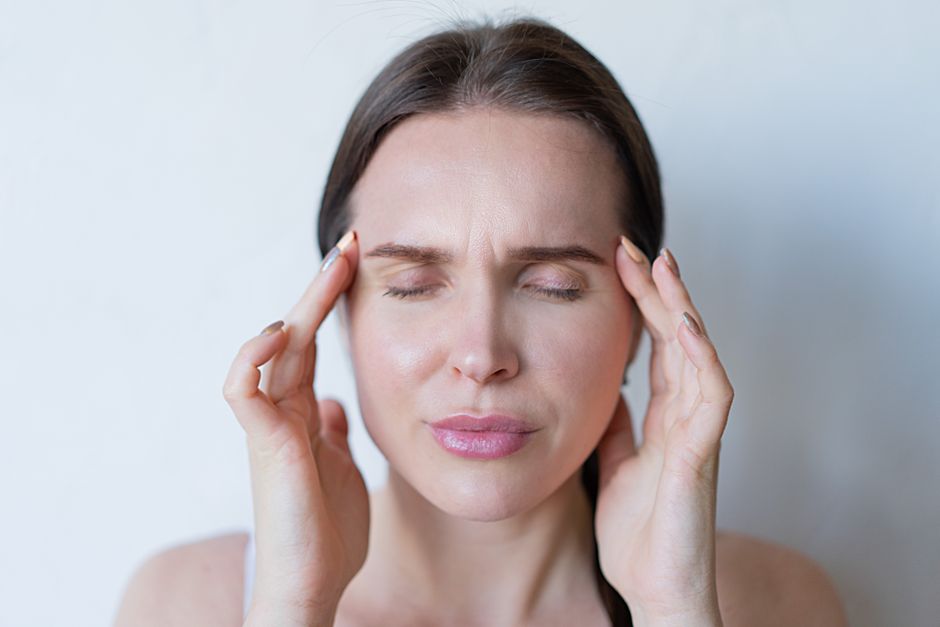
Yes, Botox can cause a headache. Headache is one of the most commonly reported side effects after cosmetic botulinum toxin injections, and it can also occur as a temporary reaction after injections given for medical reasons such as chronic migraine. For most people the headache is mild and settles within a day or two. It is also possible for a headache to appear for reasons unrelated to the toxin itself, including needle discomfort, stress, or an underlying headache pattern that was already there.
How common is a headache after Botox?
Headache is consistently listed among the most frequent side effects in the product information for cosmetic botulinum toxin injections. In clinical trials of botulinum toxin type A for cosmetic use, headache has been reported in a meaningful share of participants, though rates vary between products and studies.
There is an important wrinkle here that people often miss. In trials where a placebo group received injections of saline, headache was also reported at similar or sometimes higher rates. That pattern shows that some of the headaches attributed to Botox are likely caused by the injection experience itself, not the toxin.
When botulinum toxin is used medically for chronic migraine, headache is also a known early side effect. This sounds contradictory, since the treatment is designed to reduce headache days. The explanation is that the first days after treatment can bring a temporary headache flare before any benefit appears. Clinical trials of botulinum toxin for chronic migraine have documented this, and clinicians generally expect it.
Why would Botox cause a headache?
The exact mechanism is not fully established. Several plausible explanations exist, and researchers have not settled on one.
- Needle trauma. Each injection creates a small puncture through skin and muscle. The scalp and face are richly supplied with nerve endings, and multiple injections in one session can leave a tender, aching sensation that reads as a headache.
- Muscle tension changes. Botulinum toxin temporarily weakens the muscles it enters. In the forehead and scalp, this changes how those muscles pull on surrounding tissue. Some people notice a tight or heavy feeling that can accompany a headache.
- Inflammatory response. Any injection triggers a mild local inflammatory reaction. This is normal healing, but it can produce soreness and discomfort in the hours after treatment.
- Stress and anticipation. Appointments, needles, and the cost and expectations around cosmetic treatment can raise muscle tension and trigger headaches in people prone to them.
None of these has been confirmed as the primary cause in research. What is clear is that the headache is usually short-lived and does not indicate that something went wrong with the injection.
What does a post-Botox headache feel like?
Most reports describe a mild, dull, pressure-type headache. It often sits across the forehead, temples, or behind the eyes, and it tends to start within hours of treatment and ease within a day or two.
A small number of people describe a sensation of tightness or heaviness in the forehead rather than a classic headache. This is sometimes called a “heavy brow” feeling and is related to the temporary weakening of the forehead muscles, not to a problem with the toxin spreading.
Post-injection headache is generally not severe, not throbbing in a migraine pattern unless the person already has migraine, and not accompanied by fever, rash, or neurological symptoms. If any of those appear, they point to something other than a routine injection reaction and should be assessed by a clinician.
How long does it last and what helps?
Most post-injection headaches settle within 24 to 48 hours without any treatment. Some people notice lingering tenderness at the injection sites for a few days.
General measures that are reasonable for a mild headache include resting, staying hydrated, and using an over-the-counter pain reliever that the person would normally take for a headache. Anyone considering a pain reliever should follow the label and check with a pharmacist or clinician if they take other medications or have health conditions.
One practical point worth knowing: some clinicians advise avoiding lying flat, strenuous exercise, and rubbing the treated area for a few hours after cosmetic injections, based on the general principle of reducing the chance of the toxin spreading beyond the intended muscles. This advice is widely given in clinical practice, though strong trial evidence specifically linking these behaviors to headache outcomes is limited. It is reasonable to follow the aftercare instructions provided by the treating clinician.
Is a headache after Botox ever a sign of something serious?
A routine post-injection headache is not dangerous. Serious reactions to cosmetic botulinum toxin injections are rare, but they exist and are worth knowing about so you can recognize them.
Botulism-like symptoms are the main concern. These occur when the toxin spreads beyond the treated area and causes weakness in muscles it should not affect. Warning signs include:
- Difficulty swallowing or breathing
- Drooping eyelids or double vision
- Slurred speech
- Muscle weakness in the arms, legs, or neck
These symptoms are a medical emergency and require immediate care. They are not typical of a normal post-injection headache and would not be expected to appear as an isolated headache.
A severe or sudden “worst headache of my life,” a headache with fever and stiff neck, or a headache with confusion, weakness on one side, or vision loss are all reasons to seek urgent medical attention regardless of whether Botox was involved. These patterns point to other conditions and should never be attributed to an injection without assessment.
Does Botox cause headaches or treat them?
Both, depending on the context. This is one of the more confusing aspects of the topic, and it is worth separating clearly.
Botulinum toxin type A is an approved treatment for chronic migraine in adults, defined as headache on 15 or more days per month with at least 8 of those days being migraine, for at least three months. Clinical trials supporting this use found that some patients experienced a temporary increase in headache in the days after treatment before any reduction in headache days appeared. Over time, the treatment reduces headache frequency for many patients, though not all, and the response varies considerably between individuals.
For cosmetic use, headache appears as a side effect rather than a treatment goal. The same substance, given in different doses and locations for different reasons, produces different outcomes. The dose and injection pattern used for cosmetic forehead lines is not the same as the protocol used for chronic migraine, and results from one should not be assumed to apply to the other.
Who is more likely to get a headache after Botox?
People with an existing history of migraine or tension-type headache appear more likely to notice a headache after injections. This is a general pattern seen with many types of injections and procedures rather than something specific to botulinum toxin.
First-time recipients may also be more likely to notice discomfort simply because the experience is unfamiliar. There is no reliable evidence that one cosmetic product causes more post-injection headache than another, and product-to-product comparisons are difficult because studies use different designs and report side effects differently.
If you have frequent headaches or migraine, it is worth telling your treating clinician before treatment so they can advise you on what to expect and how to manage any flare.
How does this compare with other cosmetic injections?
Headache is reported after botulinum toxin injections, but it is not unique to them. Dermal fillers and other injectable cosmetic treatments also carry reports of post-procedure headache, largely related to needle discomfort, swelling, and the stress of the appointment.
What distinguishes botulinum toxin is the temporary muscle weakness it produces, which can create a distinct heaviness or tightness in the forehead that some people describe alongside or instead of a headache. That sensation is specific to how botulinum toxin works and is not a feature of filler treatments.
The bottom line
Headache after Botox is common, usually mild, and typically resolves within a day or two. It is most often related to the injections themselves rather than the toxin, and it does not usually signal a problem.
Serious reactions are rare but have recognizable warning signs, mainly difficulty swallowing or breathing, vision changes, and muscle weakness away from the treated area. Those require emergency care. For most people, a post-Botox headache is an inconvenience rather than a health concern, and knowing what is typical versus what is not is the most useful thing to carry into treatment.
Frequently Asked Questions
Can Botox cause a headache the next day?
Yes, a headache can appear within hours of treatment and persist into the next day. Most settle within 24 to 48 hours without treatment.
How long do Botox headaches last?
Most post-injection headaches ease within one to two days. Tenderness at the injection sites may linger slightly longer.
Is a headache after Botox dangerous?
A routine post-injection headache is not dangerous. Seek emergency care for difficulty swallowing or breathing, vision changes, or muscle weakness away from the treated area.
Does Botox help or cause headaches?
It can do both. Botulinum toxin is an approved treatment for chronic migraine in adults, but a temporary headache flare in the days after treatment is a recognized early side effect.
