
Yes, boric acid is a proven and effective treatment for vaginal yeast infections, specifically for infections caused by Candida species that do not respond to standard antifungal medications. It is not a first-line treatment, but when conventional creams or oral pills fail, boric acid suppositories have a strong track record of success in clinical studies. It works by physically disrupting the cell walls of the yeast, which makes it difficult for the organism to survive and multiply.
How Does Boric Acid Work Against Yeast?
Boric acid is not an antibiotic or a typical antifungal drug. Its mechanism is more direct. The acidic environment it creates in the vagina is hostile to yeast. Studies have shown that boric acid damages the cell membrane of the Candida organism. This damage stops the yeast from growing and eventually kills it.
This physical mode of action is important. It means that yeast strains which have become resistant to azole drugs—like fluconazole (Diflucan) or miconazole—are still vulnerable to boric acid. Resistance is a growing problem in recurrent yeast infections, and this is one of the main reasons clinicians turn to boric acid as a second-line therapy.
What Does the Research Show?
Clinical evidence supports the use of boric acid for difficult yeast infections. Research published in the Journal of Women’s Health found that a regimen of 600 mg of boric acid inserted vaginally once daily for 14 days cured a significant percentage of women with recurrent or resistant infections. Other studies have reported cure rates above 70% for cases that failed standard treatment.
It is important to understand that boric acid is not compared to prescription antifungals in large, modern trials for first-time infections. The evidence is strongest for its role in resistant or recurrent cases. For a simple, first-time yeast infection, standard treatments like oral fluconazole or over-the-counter creams remain the typical first choice because they are well-studied, convenient, and generally effective.
How Is Boric Acid Used for Yeast Infections?
Boric acid is never taken by mouth. It is used as a vaginal suppository. You will not find this as an FDA-approved product on pharmacy shelves. It is usually made by a compounding pharmacy, which prepares a prescription for a specific dose, typically 600 mg.
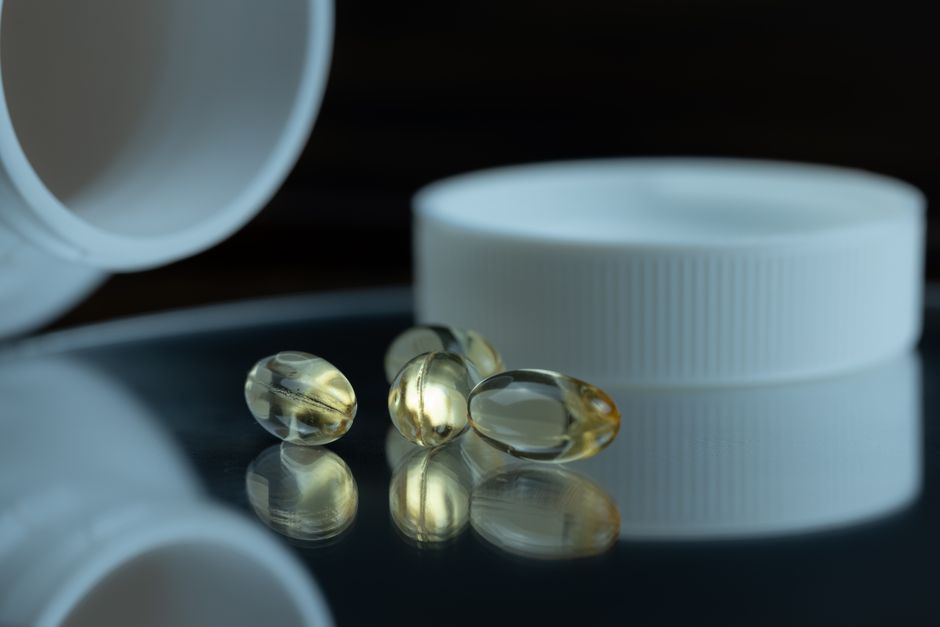
A standard course involves inserting one 600 mg capsule deep into the vagina at bedtime. Treatment usually lasts for 7 to 14 days. For chronic, recurring infections, some clinicians recommend a longer course or a maintenance regimen of twice weekly for several months. This is not something you should decide on your own. The duration and frequency must be guided by a healthcare provider.
Do not use standard oral supplement capsules of boric acid. They are not formulated for vaginal use and may contain other ingredients. Always use a product specifically prepared for vaginal insertion.
Is Boric Acid Safe?
When used correctly as a vaginal suppository, boric acid is generally safe. The most common side effects are mild and local. Women may notice a watery discharge, a burning sensation, or slight irritation at the application site.
There are serious risks if boric acid is misused. It is toxic if swallowed. If a capsule is accidentally ingested, call poison control immediately. It is also critical to note that boric acid should never be used during pregnancy. Animal studies have linked boric acid exposure to birth defects, and clinical guidelines advise against its use in pregnant women. If you are pregnant or trying to become pregnant, do not use boric acid.
Another important safety point: if your symptoms do not improve after a few days of treatment, or if they return after finishing the course, you need to see a doctor. The problem may not be yeast at all. Bacterial vaginosis, trichomoniasis, or mixed infections can cause similar symptoms and require different treatments.
Why Might a Yeast Infection Be Resistant?
There are several reasons why a yeast infection might not clear up with standard drugs. The most common cause is the Candida glabrata species. Unlike the more common Candida albicans, glabrata is often inherently resistant to azole antifungals. Boric acid is particularly effective against this species.
Other factors can also play a role. Incorrect diagnosis is a major one. What feels like a yeast infection may be something else entirely. Incomplete treatment, where a course of medication is stopped too early, can also contribute. Additionally, underlying health conditions like poorly controlled diabetes or a weakened immune system can make infections harder to clear.
If you have had multiple yeast infections in a year, or if your current infection is not responding to treatment, it is worth asking your doctor for a culture test. This test identifies the exact species of yeast and can help guide the choice of treatment.
Boric Acid vs. Standard Antifungals
Understanding the difference between these options helps you know when boric acid is the right choice.
| Treatment | How It Works | Typical Use | Best For |
|---|---|---|---|
| Azole Antifungals (Fluconazole, Miconazole, Clotrimazole) | Inhibits an enzyme needed for yeast cell membrane production | Single oral dose or 1-7 day vaginal cream/suppository course | First-time or occasional infections caused by Candida albicans |
| Boric Acid | Directly disrupts the yeast cell wall through acidity and physical action | 600 mg vaginal suppository daily for 7-14 days | Resistant infections, recurrent infections, Candida glabrata |
This table shows that boric acid is not a replacement for standard therapy. It is a powerful alternative when the standard therapy fails.
Can Boric Acid Treat A Yeast Infection Without Seeing a Doctor?
Technically, you can buy boric acid capsules online or in some health food stores, but that does not mean you should self-treat without a diagnosis. Using boric acid without knowing the cause of your symptoms is risky. If your symptoms are caused by a sexually transmitted infection or bacterial vaginosis, boric acid will not cure them, and the delay in proper treatment can lead to complications.
There is also the question of correct use. A mistake in dosing or duration can lead to irritation without curing the infection. A healthcare provider can confirm the diagnosis, rule out other conditions, and prescribe the right dose from a compounding pharmacy. This is the safest path.
What to Do If Symptoms Persist
If you have completed a course of boric acid and your symptoms are still present, you need further evaluation. This could mean the infection is caused by a less common organism, or there is an anatomical or immune factor at play. Persistent symptoms are a signal to go back to your doctor, not to try a longer self-directed course of treatment.
Recurrent yeast infections, defined as four or more infections in a year, require a management plan. This often involves identifying triggers, optimizing glucose control, and sometimes using a maintenance regimen. Boric acid can be part of that plan, but it should be under the supervision of a clinician who understands your full medical history.
Frequently Asked Questions
How fast does boric acid work for a yeast infection?
Most women notice an improvement in symptoms—like itching and discharge—within 24 to 48 hours of starting treatment. A full 7 to 14 day course is typically needed to completely clear the infection.
Can I use boric acid if I am pregnant?
No. Boric acid should not be used during pregnancy due to risks of fetal harm. Speak with your obstetrician about safe alternatives for treating a yeast infection while pregnant.
Is boric acid the same as the powder used for pest control?
No. Boric acid for medical use is a purified, pharmaceutical-grade product prepared specifically for vaginal insertion by a compounding pharmacy. It is not the same as industrial or household pest control products, which may contain other chemicals and should never be used in or on the body.
