
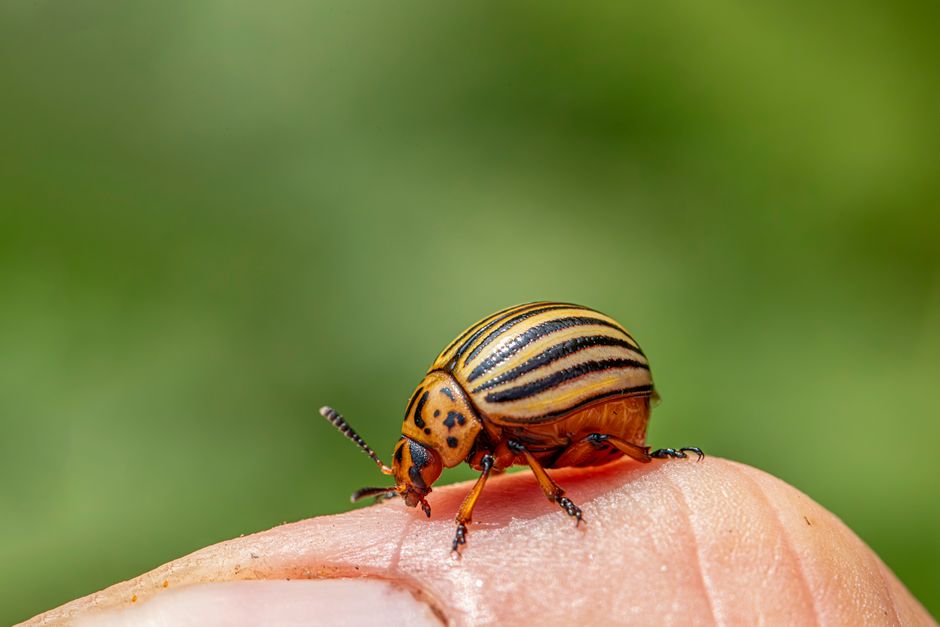
Yes, bed bugs can live outside, but it is not their preferred habitat and they rarely thrive there long-term. Bed bugs are indoor pests by nature, evolved to live close to humans where warmth and blood meals are constant. While they can survive outdoors for a limited time under the right conditions, they will not establish a breeding colony in your yard or garden without a steady food source. The real concern is not whether bed bugs can exist outside, but how outdoor encounters can lead to indoor infestations.
Can Bed Bugs Live Outside in Cold Weather?
Bed bugs are surprisingly resilient to cold, but they have limits. Research published in the Journal of Economic Entomology found that bed bugs can survive short exposure to temperatures as low as 13 degrees Fahrenheit. However, sustained cold below 0 degrees Fahrenheit for several days will kill them. The key word is sustained. A single freezing night followed by a mild day will not eliminate bed bugs hiding in outdoor furniture or leaf litter.
Bed bugs do not hibernate. They enter a state of reduced activity called diapause when temperatures drop. In diapause, their metabolism slows and they can go months without feeding. This allows them to survive winter in protected outdoor spots like cracks in wooden fences, under loose bark, or inside stacked firewood. But they will not actively move or reproduce in freezing conditions. They simply wait until warmth returns.
If you live in a region with harsh winters, outdoor bed bug survival is unlikely in exposed areas. But sheltered microclimates — like the underside of a patio chair cushion stored against a house wall — can stay above freezing even when the air temperature drops. That is where bed bugs can persist through winter.
Can Bed Bugs Live Outside in Hot Weather?
Heat is actually more reliably lethal to bed bugs than cold. The CDC reports that bed bugs die within minutes when exposed to temperatures above 122 degrees Fahrenheit. Direct sunlight on a dark surface can easily reach that temperature on a hot summer day. But shade changes everything. Under a picnic table or inside a folded camping chair, temperatures may stay well within the bed bug survival range of 70 to 90 degrees.
Outdoor survival in warm weather depends entirely on two things: temperature and food availability. Bed bugs need a blood meal every few days to stay active and reproduce. Outdoors, they cannot count on a human walking by. They will attempt to feed on pets, birds, or rodents if available, but these are not ideal hosts. Without regular feeding, bed bugs will eventually die — even in perfect temperature conditions. Studies suggest adult bed bugs can survive without a blood meal for 20 to 400 days depending on temperature and humidity, but that is the extreme. Most will die within a few months.
Warm outdoor environments are actually more dangerous for spreading bed bugs than for harboring them long-term. A person sitting on an infested park bench for ten minutes can pick up bed bugs and bring them home. The bugs themselves will not stay on that bench for weeks, but they can hitchhike effectively during warm months.
Where Do Bed Bugs Hide Outside?
Outdoor bed bug hiding spots share one feature: they are dark, tight, and protected from weather. Bed bugs are flat and can squeeze into gaps as thin as a credit card. Common outdoor hiding places include:
- Seams and folds of outdoor furniture cushions
- Cracks in wooden deck boards or picnic tables
- Under loose bark on trees or firewood piles
- Inside storage bins, planters, or garden tools left unused
- Behind loose siding or trim on sheds and garages
- In the crevices of patio umbrellas and outdoor curtains
The most common way bed bugs end up outdoors is through infested items being placed outside. A couch being discarded on the curb, a suitcase left on a patio after travel, or used furniture bought at a yard sale — these are the typical sources. Bed bugs do not wander out of your house into the garden on their own. They are carried out.
Once outside, they will crawl into the nearest dark crevice and wait. If that crevice happens to be on a chair you sit in every evening, they will find you. If it is inside a stack of firewood you bring into your house in October, they will come inside with the wood.




How Long Can Bed Bugs Survive Outdoors?
Survival time outdoors varies dramatically by conditions. In ideal temperatures around 80 degrees Fahrenheit with high humidity and access to regular blood meals, bed bugs can survive outdoors for several months. But those conditions rarely align outside. Without food, survival drops sharply.
Here is a rough comparison of outdoor survival factors:
| Condition | Survival Time | Key Factor |
|---|---|---|
| Warm, humid, with food source | Several months | Regular blood meals from pets or wildlife |
| Warm, dry, no food | 2 to 4 weeks | Dehydration kills faster than starvation |
| Cold, above freezing | Weeks to months | Diapause slows metabolism significantly |
| Below 0°F sustained | Days to weeks | Freezing kills if prolonged |
| Direct sun, above 122°F | Minutes | Heat is rapidly lethal |
The most important takeaway from this table: bed bugs are not invincible outdoors, but they are patient. A single mated female bed bug hiding in a patio chair can survive long enough to be brought inside, where she can start a new infestation within weeks. Outdoor survival is less about the bugs thriving and more about them waiting.
Can Bed Bugs Live Outside and Then Get Back Inside?
This is the real question most people are asking. The answer is yes, and it happens more often than people realize. Bed bugs do not actively migrate from your yard into your home. They hitchhike. You bring them in on your clothing, your bags, your furniture, or your pets.
Some specific scenarios where outdoor bed bugs become indoor problems:
- You sit on an infested park bench or outdoor theater seat and bed bugs crawl onto your pants or backpack
- You buy a used outdoor couch from a garage sale that has bed bugs hiding in the cushions
- You store camping gear in a shed where bed bugs have taken shelter, then bring the gear inside for your next trip
- You leave luggage or bags on a patio after travel, and bed bugs crawl inside before you bring them in the house
- You bring firewood indoors that has bed bugs hiding under the bark
The CDC and EPA both state that bed bugs are excellent hitchhikers. Outdoor environments simply become another place where hitchhiking can occur. The risk is not that bed bugs will march across your lawn and climb your foundation. The risk is that you will unknowingly transport them from an outdoor hiding spot into your living space.
If you have an active indoor bed bug infestation, throwing infested furniture outside does not solve the problem. It just moves the bed bugs to a new location where they can wait and later re-infest your home or someone else’s. Proper treatment requires killing the bugs, not relocating them.
Common Misconceptions About Bed Bugs Outdoors
One widespread myth is that bed bugs cannot survive outside because they need constant human contact. This is false. Bed bugs are hardy insects that can endure long periods without feeding. They do not need to be on a person to survive. They need blood eventually, but they can wait.
Another misconception is that leaving infested furniture in direct sunlight for a day will kill all bed bugs. Direct sun can kill bed bugs, but only if the interior of the furniture reaches lethal temperatures. On a 90-degree day, the surface of a dark cushion might hit 130 degrees, but the center of a thick cushion may stay at 80 degrees — perfectly safe for bed bugs. Sun treatment is unreliable without temperature monitoring.
Some people believe bed bugs only live in beds. The name is misleading. Bed bugs live wherever people rest for extended periods. Outdoors, that includes lawn chairs, hammocks, picnic blankets, and even car seats. The bugs do not care about the location. They care about access to blood.
As of 2026, there is no clinical evidence that bed bugs can transmit disease outdoors or indoors. Their bites can cause allergic reactions and secondary infections from scratching, but they are not known vectors for bloodborne illnesses like mosquitoes or ticks. The health risk from outdoor bed bugs is primarily psychological and dermatological, not systemic.
What to Do If You Find Bed Bugs Outside
If you spot bed bugs on outdoor furniture or in your yard, do not panic. Remove the infested item from use immediately. Seal it in a plastic bag if possible. Do not bring it inside for any reason. Do not set it on the curb for trash pickup without treating it first, or you risk spreading the problem to neighbors.
For outdoor furniture that cannot be thrown away, treatment options include:
- Steam cleaning at temperatures above 130 degrees Fahrenheit
- Encasement in black plastic bags left in direct sun for several days with interior temperature monitoring
- Professional heat treatment using commercial equipment
- Insecticide sprays labeled for outdoor bed bug use — always follow label directions exactly
Do not use bug bombs or foggers outdoors. They are ineffective and can be harmful to pets and beneficial insects. Do not use bleach, ammonia, or rubbing alcohol. These are not registered pesticides and can damage furniture or cause fires.
If you find bed bugs on your clothing or bag after being outdoors, immediately wash and dry on high heat. The heat of a dryer — 20 minutes on high — kills all life stages of bed bugs. Vacuum your car thoroughly if you suspect bed bugs hitched a ride. Dispose of the vacuum bag in a sealed plastic bag outside your home.
The honest reality is that outdoor bed bugs are not a major infestation source for most people. Indoor infestations almost always start from indoor sources — secondhand furniture, hotel stays, visitor luggage, or shared housing. But outdoor encounters do happen, and knowing how to handle them prevents a temporary problem from becoming a long-term one.
Frequently Asked Questions
Can bed bugs live outside in grass?
Bed bugs can survive in grass for short periods but will not thrive there. They prefer dark, tight crevices and grass offers little protection from weather and predators.
How long can bed bugs live outside without food?
Adult bed bugs can survive 2 to 4 months outdoors without feeding in moderate temperatures. In cooler conditions with diapause, survival can extend beyond 6 months.
Can bed bugs live outside in winter and come back inside?
Yes, bed bugs can survive winter outdoors in protected spots and be brought inside on firewood, furniture, or gear. Cold alone does not guarantee they are dead.
Do bed bugs live in trees or bird nests outside?
Bed bugs are occasionally found in bird nests or bat roosts, but this is rare. They strongly prefer human hosts and are not common in trees or natural outdoor habitats.
