
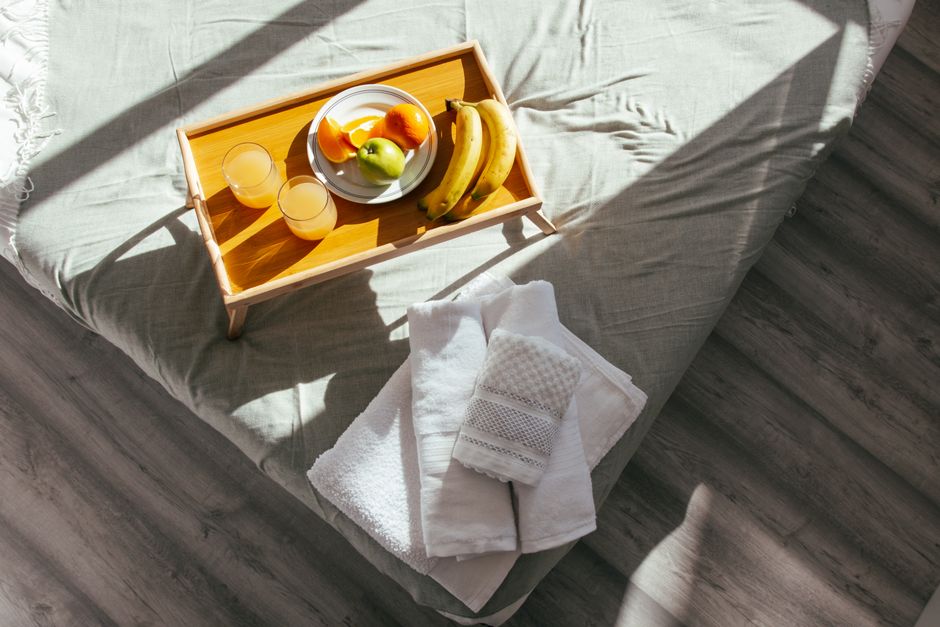
Bananas are often called the perfect bedtime snack, and for good reason. The fruit contains a combination of nutrients that your body uses to produce sleep-regulating hormones. While a banana is not a sleeping pill, eating one as part of your evening routine can genuinely support a smoother transition to sleep.
What Is in a Banana That Affects Sleep?
Bananas contain three nutrients that matter for sleep: magnesium, potassium, and vitamin B6. Each one plays a different role in helping your body wind down.
Magnesium helps calm the nervous system. It binds to receptors in the brain that promote relaxation. Low magnesium levels are linked to poorer sleep quality in some studies. Potassium helps relax muscles and may reduce nighttime leg cramps that interrupt sleep.
Vitamin B6 is the most direct link. Your body needs B6 to convert the amino acid tryptophan into serotonin. Serotonin is a neurotransmitter that regulates mood and helps produce melatonin, the hormone that controls your sleep-wake cycle.
One medium banana provides about 10% of your daily magnesium needs and roughly 9% of your daily potassium. It also delivers a meaningful amount of vitamin B6. These amounts are modest, but they matter when combined with an otherwise balanced diet.
Can Bananas Help You Sleep?
Yes, bananas can help you sleep, but the effect is gentle rather than dramatic. The fruit supplies raw materials your brain needs to make melatonin. It also contains carbohydrates, which help tryptophan cross the blood-brain barrier more easily.
Here is how that works. Tryptophan competes with other amino acids to enter the brain. When you eat carbohydrates, your body releases insulin. Insulin clears competing amino acids from your bloodstream, leaving tryptophan with a clearer path. This is why a banana alone may help, but a banana with a small amount of another carbohydrate source may work slightly better.
The evidence for bananas specifically is limited. No large clinical trials have tested bananas as a sleep aid. However, research on the individual nutrients is solid. Studies consistently show that magnesium supplementation improves sleep quality in people with low magnesium levels. Vitamin B6 has been shown in some studies to increase dream vividness and improve sleep quality.
What this means for you: a banana is not a guaranteed fix for insomnia. But it is a reasonable, healthy choice that supports the biological pathways involved in sleep.
How Long Before Bed Should You Eat a Banana?
Timing matters. Eating a banana too close to bedtime can cause digestive discomfort or a mild blood sugar spike that keeps you awake.
Most sleep specialists recommend eating a small snack about 30 to 60 minutes before bed. This gives your body time to begin digestion and start processing the nutrients. It also avoids the discomfort of lying down with a full stomach.
A whole banana is a reasonable portion. If you are watching calories or blood sugar, half a banana may be enough. Pairing it with a source of protein or healthy fat can slow sugar absorption and keep you fuller longer. A small handful of almonds or a spoon of peanut butter works well.
Pay attention to how your body responds. Some people feel sleepy after a banana. Others notice no effect. Individual variation is normal and expected.





What Does the Research Actually Say?
Research on bananas and sleep directly is sparse. Most of what we know comes from studies on individual nutrients or from traditional medicine practices.
Magnesium research is the strongest. A 2012 study published in the Journal of Research in Medical Sciences found that magnesium supplementation improved insomnia measures in older adults. Participants who took magnesium fell asleep faster and slept longer than those who took a placebo.
Vitamin B6 research is more mixed. Some studies suggest B6 improves sleep quality and dream recall. Others show no significant effect. The evidence is not strong enough to claim B6 alone will fix sleep problems.
Potassium has received less research attention for sleep specifically. However, potassium deficiency is associated with muscle cramps and restless legs, both of which can disrupt sleep.
One important point: eating a banana is not the same as taking a supplement. A banana contains these nutrients in smaller amounts. The effects are milder and slower. This is generally a good thing, because your body absorbs and uses food-based nutrients differently than concentrated supplements.
Are There Any Downsides to Eating Bananas Before Bed?
For most people, no. Bananas are a healthy food that can be eaten at any time of day. But there are a few considerations.
People with diabetes or prediabetes should be mindful. A medium banana contains about 14 grams of sugar and 27 grams of carbohydrates. This can raise blood sugar, especially if eaten alone. Pairing it with protein or fat helps blunt this effect.
People with kidney disease may need to limit potassium. Bananas are high in potassium, and damaged kidneys may not filter it efficiently. If you have kidney issues, talk to your doctor before adding bananas to your nightly routine.
Some people experience acid reflux after eating bananas. This is more likely if you eat a banana and lie down immediately. Giving yourself 30 minutes before lying down usually prevents this.
Weight gain is rarely a concern with a single banana. One medium banana contains about 105 calories. That is a modest amount for a bedtime snack.
What Else Can You Pair With a Banana for Better Sleep?
A banana alone may not be enough for people with stubborn sleep issues. Combining it with other evidence-backed habits creates a stronger effect.
Warm milk is a classic pairing. Milk contains tryptophan and calcium, which may help the brain use tryptophan more effectively. Some research supports this, though the effect is modest.
Oatmeal is another option. Oats are a complex carbohydrate that provides a steady release of energy. They also contain melatonin in small amounts. A small bowl of oatmeal with sliced banana makes a solid bedtime snack.
Cherries are one of the few foods with naturally occurring melatonin. Tart cherry juice has been studied more than most foods for sleep. Some studies show it improves sleep duration and quality. Combining tart cherry juice with a banana gives you both melatonin and the nutrients to use it.
Herbal teas like chamomile and valerian root have their own evidence base. Chamomile contains apigenin, an antioxidant that binds to certain receptors in the brain that may promote sleepiness. These teas pair well with a banana as part of a wind-down routine.
What About Banana Tea?
Banana tea is a trend that involves boiling a banana in water and drinking the liquid. Some people also eat the softened fruit.
The idea is that boiling extracts magnesium and potassium into the water. This is plausible. Both minerals are water-soluble and can leach into hot water. However, no studies have specifically tested banana tea for sleep.
The amounts extracted are likely small. You may get more magnesium and potassium from eating the whole fruit. Banana tea is not harmful, and some people find the warm drink soothing. But it is not a proven sleep aid.
If you want to try it, use a ripe banana, leave the peel on, and simmer for about 10 minutes. Add a pinch of cinnamon for flavor. Drink it warm about an hour before bed.
Frequently Asked Questions
How many bananas should I eat before bed?
One medium banana is the right amount for most people. Eating more than that adds extra sugar and calories without additional sleep benefits.
Is it bad to eat a banana every night?
No, eating a banana every night is healthy for most people. The exception is if you have kidney disease or need to limit potassium for another medical reason.
Can bananas help with insomnia?
Bananas may help mild sleep difficulties, but they are not a treatment for insomnia. If you regularly struggle to fall asleep or stay asleep, talk to a doctor rather than relying on food alone.
What is the best time to eat a banana for sleep?
About 30 to 60 minutes before bed is ideal. This gives your body time to start digesting without the discomfort of lying down on a full stomach.
