
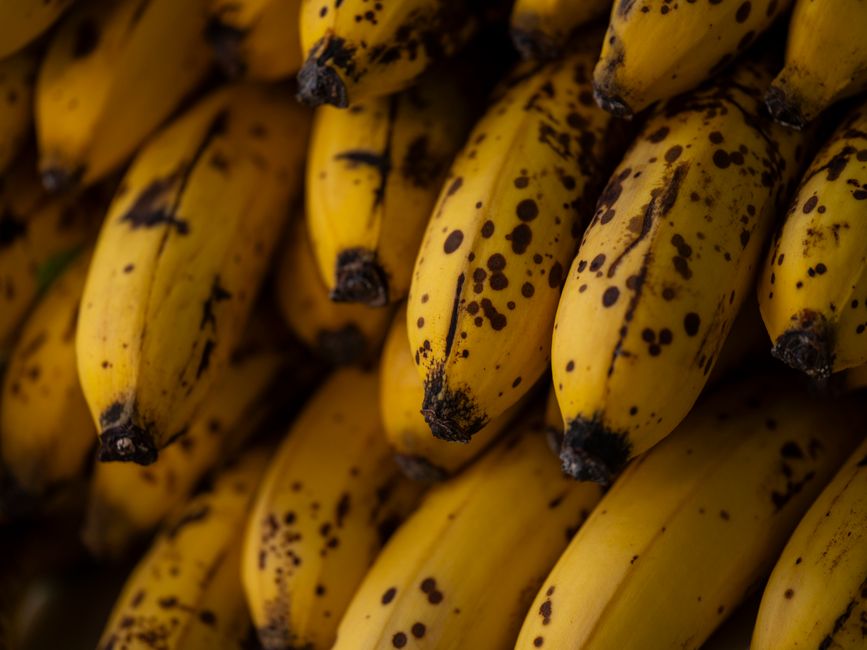
Yes, bananas can give you gas. This is a common and normal reaction for many people. The gas happens because of specific carbohydrates in bananas that your body must ferment in the large intestine, which naturally produces gas as a byproduct. For most people, this is harmless and temporary, but for others, the amount of gas can be uncomfortable or even painful.
Why Do Bananas Cause Gas?
Bananas contain a mix of carbohydrates that your small intestine cannot fully break down. These undigested carbs travel to your large intestine, where bacteria ferment them. Fermentation is a normal digestive process, but it produces gas as a byproduct.
The main culprits are soluble fiber and FODMAPs. Soluble fiber absorbs water and forms a gel-like substance that slows digestion. While this is good for regularity, it gives gut bacteria more time to produce gas. FODMAPs are short-chain carbohydrates that are poorly absorbed in the small intestine. They pull water into the bowel and ferment quickly in the colon.
Bananas contain two specific FODMAPs: fructose and polyols (specifically sorbitol). Ripe bananas have higher levels of these compounds than unripe ones. This is a key reason why a very ripe, spotty banana might cause more gas than a green one.
Are Ripe or Unripe Bananas Worse for Gas?
Ripe bananas are generally worse for gas. As a banana ripens, its starch converts to sugar. This process increases the levels of fructose and sorbitol, both of which are FODMAPs that ferment in the gut.
Unripe bananas are higher in resistant starch. Resistant starch acts like fiber — it resists digestion in the small intestine and ferments in the large intestine. This also produces gas, but often less dramatically than the sugars in ripe bananas.
So you have a trade-off. Green bananas may cause gas from resistant starch. Yellow or spotted bananas may cause gas from fructose and sorbitol. Some people react more to one than the other. If bananas reliably give you gas, it is worth testing both a green banana and a very ripe one to see which you tolerate better.
Who Is Most Likely to Get Gas From Bananas?
Anyone can get gas from bananas, but some people are far more sensitive. People with irritable bowel syndrome (IBS) or other functional gut disorders often react strongly to FODMAPs. Their digestive systems are more sensitive to fermentation and gas, so even small amounts can cause bloating or discomfort.
People with fructose malabsorption also react to bananas. In this condition, the small intestine cannot absorb fructose efficiently. The unabsorbed fructose travels to the colon, where bacteria ferment it rapidly. This can cause significant gas, bloating, and even diarrhea.
If you do not have a diagnosed gut condition, you may still be sensitive to the fiber content. A sudden increase in fiber intake — like eating several bananas after eating few fruits — can temporarily cause gas while your gut bacteria adjust. This usually settles within a few days as your microbiome adapts.




How Much Banana Is Too Much?
There is no universal threshold for how many bananas cause gas. Tolerance varies widely from person to person. Some people can eat three bananas daily without any issue. Others feel bloated after half a banana.
For people with IBS, the low-FODMAP diet guidelines suggest a limit. According to Monash University, which developed the low-FODMAP approach, a safe serving of ripe banana is about one-third of a medium banana. Unripe bananas are considered low-FODMAP in larger servings — up to one medium banana. These are established clinical reference points used by dietitians worldwide.
If you are not following a strict low-FODMAP protocol, start with one banana and observe how you feel. If you get gas, try a smaller portion. If one banana is fine, you have no reason to limit yourself beyond normal dietary balance.
Does Cooking Bananas Reduce Gas?
Cooking bananas can reduce gas for some people, but it does not eliminate the problem. Heat breaks down some of the complex carbohydrates and makes them easier to digest in the small intestine. This means less material reaches the colon for fermentation.
However, cooking does not remove fructose or sorbitol. These sugars remain intact through normal cooking temperatures. So while baked or boiled bananas may cause less gas than raw ones, they can still trigger symptoms in sensitive people.
If you enjoy bananas but react badly to them, try baking them or adding them to oatmeal or pancakes. This is not a guaranteed fix, but it is worth testing. The effect is modest, not a complete solution.
What Else in Your Diet Could Be Causing the Gas?
Bananas are often blamed for gas when other foods are the real cause. If you eat bananas as part of a meal or snack, consider what else you consumed. Dairy, beans, cruciferous vegetables, and carbonated drinks are all common gas producers that may be overlooked.
Timing matters too. Eating bananas on an empty stomach may cause more noticeable gas than eating them with a meal. Food slows gastric emptying, which means the banana spends more time being digested before reaching the colon. Pairing a banana with protein or fat — like peanut butter or yogurt — can reduce the speed of fermentation.
Also consider portion size and frequency. A single banana rarely causes severe gas in a healthy person. If you eat two or three bananas daily, the cumulative fiber and FODMAP load increases. Reducing your intake to one banana per day is a reasonable first step if you suspect bananas are the trigger.
Should You Stop Eating Bananas?
Most people do not need to stop eating bananas because of gas. The gas is temporary and harmless. Bananas provide potassium, vitamin B6, vitamin C, and fiber. They are a nutrient-dense fruit that supports heart health and digestive regularity.
If the gas is mild and not painful, you can continue eating bananas and simply accept the side effect. Your gut bacteria may also adapt over time. Some research suggests that regular consumption of fermentable fibers can improve tolerance as your microbiome shifts to handle them more efficiently.
If the gas is severe, painful, or accompanied by diarrhea, cramping, or other digestive symptoms, you should consider whether bananas are right for you. People with IBS or fructose malabsorption may need to limit or avoid bananas entirely. This is a dietary choice, not a medical necessity. There is no nutrient in bananas that you cannot get from other foods.
If gas is accompanied by unintentional weight loss, blood in your stool, or persistent pain, see a doctor. These symptoms are not normal and require medical evaluation.
How to Reduce Gas From Bananas
If you want to keep bananas in your diet but reduce gas, try these practical strategies:
- Choose greener bananas — they contain less fructose and sorbitol.
- Eat smaller portions — half a banana instead of a whole one.
- Pair with other foods — combine with protein, fat, or whole grains.
- Eat them cooked — baking or grilling may ease digestion.
- Space them out — avoid eating multiple bananas in one sitting.
- Stay consistent — if you eat bananas regularly, your gut may adapt over time.
There are no over-the-counter enzyme supplements specifically approved for banana digestion. Some products claim to help with gas from fruits, but the clinical evidence is limited. Do not rely on supplements to fix a problem that is better managed by portion control and food choices.
When to See a Doctor
Gas from bananas is normal. But gas that is persistent, severe, or accompanied by other symptoms warrants medical attention. See a doctor if you experience:
- Severe abdominal pain or cramping
- Chronic bloating that does not resolve
- Diarrhea or constipation lasting more than a few days
- Blood in your stool
- Unintentional weight loss
These symptoms may indicate an underlying condition like IBS, small intestinal bacterial overgrowth (SIBO), or a food intolerance that goes beyond bananas. A doctor can help you identify the cause through testing and structured elimination diets.
Frequently Asked Questions
Do bananas cause gas in everyone?
No. Many people digest bananas without any noticeable gas. Sensitivity depends on your gut bacteria, digestive health, and how ripe the banana is.
Are green bananas better than ripe bananas for gas?
For most people, green bananas cause less gas because they contain less fructose and sorbitol. However, they are higher in resistant starch, which can still ferment and cause gas in some people.
How long does banana gas last?
Gas from bananas typically resolves within a few hours as the fermentation process completes. If bloating lasts more than 24 hours or becomes painful, consider other causes or speak with a doctor.
Can eating bananas daily cause digestive problems?
For most healthy adults, one banana daily is well tolerated. If you notice persistent bloating or discomfort, reduce your portion size or switch to less ripe bananas to see if symptoms improve.
