
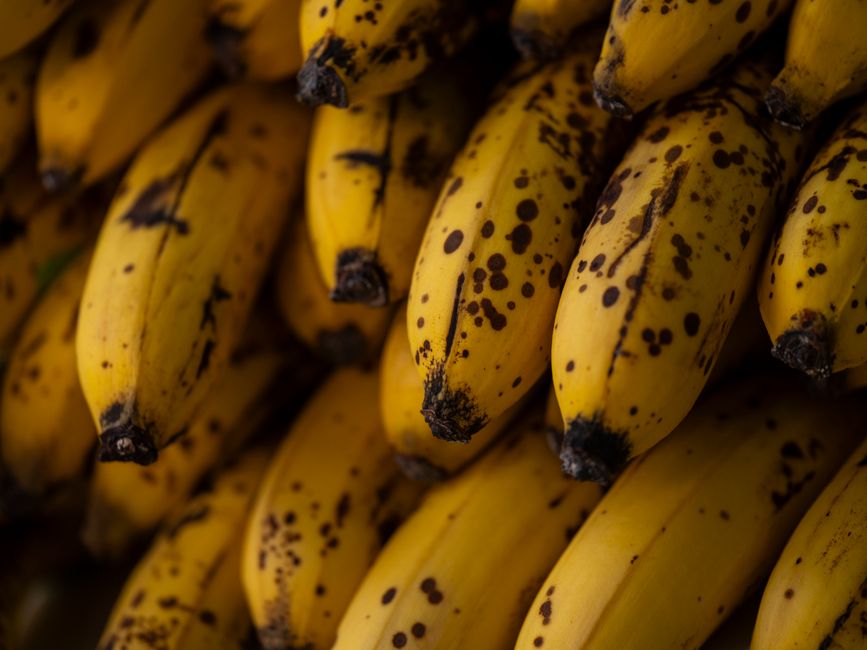
Bananas do not typically cause diarrhea in healthy adults. In fact, they are more often recommended as part of a bland diet during recovery from diarrhea. But bananas can contribute to loose stools in certain situations — particularly when eaten in large amounts, when they are unripe, or in people with specific digestive conditions.
The confusion is understandable. Bananas contain fiber and natural sugars that affect digestion. Whether they help or hurt depends on ripeness, quantity, and the individual’s gut health. Here is what the evidence actually shows.
Can Bananas Cause Diarrhea?
There is no established clinical evidence that bananas directly cause diarrhea in most people. The research literature does not identify bananas as a common trigger for acute diarrhea. In fact, the BRAT diet — bananas, rice, applesauce, and toast — has historically been used to help manage diarrhea.
That said, individual reactions vary. Some people report loose stools after eating bananas, particularly in large quantities or when the fruit is underripe. These reports are not well studied, and the mechanisms are not fully confirmed. The more accurate statement is that bananas are unlikely to cause diarrhea but may worsen loose stools in certain circumstances.
One important distinction: bananas are not a common food allergen, but they do contain compounds that some people react to. The evidence for true banana intolerance is limited and mostly anecdotal.
What Is the BRAT Diet and Does It Still Apply?
The BRAT diet — bananas, rice, applesauce, and toast — was once a standard recommendation for managing acute diarrhea. It is still mentioned in some clinical settings, but modern guidance has moved away from it as a primary treatment.
The reason is nutritional. BRAT foods are low in protein, fat, and several key nutrients. Prolonged use of the diet can lead to inadequate nutrition, especially in children. Current clinical guidance generally favors continuing a normal, balanced diet during mild diarrhea recovery rather than restricting to BRAT foods.
Bananas still appear in recovery diets for a practical reason. They are bland, easy to digest, and contain potassium — a mineral lost through diarrhea. That does not mean they treat diarrhea. It means they are a gentle food choice during recovery for most people.
Why Do Bananas Sometimes Worsen Loose Stools?
Several factors in bananas can affect stool consistency, depending on the person and the banana.
Ripeness matters. Unripe bananas contain resistant starch — a type of carbohydrate that resists digestion in the small intestine and ferments in the colon. In some people, this fermentation can produce gas, bloating, and loose stools. As bananas ripen, resistant starch converts to simpler sugars, and this effect diminishes.
Fiber content. A medium banana contains about 3 grams of fiber. Fiber generally supports healthy digestion, but a sudden increase in fiber intake can cause temporary loose stools or gas in people not accustomed to it. This is a well-established effect of dietary fiber changes, not specific to bananas.
Fructose. Bananas contain fructose, a natural fruit sugar. Some people absorb fructose less efficiently than others. When unabsorbed fructose reaches the colon, it can draw in water and ferment, leading to loose stools. This is more common in people with fructose malabsorption, which is not the same as a banana allergy.
Quantity. Eating several bananas in one sitting delivers a larger load of fiber, fructose, and resistant starch. For some people, this is enough to change stool consistency temporarily.
These mechanisms are plausible and partly supported by what is known about digestion. But specific research on bananas causing diarrhea is sparse. Most of what is described here comes from broader knowledge of fiber, fructose, and resistant starch — not from studies specifically examining bananas and diarrhea.
When Might Bananas Be a Problem?
Certain digestive conditions make bananas more likely to contribute to loose stools or discomfort.
- Irritable bowel syndrome (IBS). Bananas contain fermentable carbohydrates that can trigger symptoms in some people with IBS, particularly those sensitive to certain FODMAPs. Ripeness affects this — very ripe bananas contain more fermentable sugars than less ripe ones.
- Fructose malabsorption. People who absorb fructose poorly may experience loose stools, gas, and bloating after eating bananas, especially in larger amounts.
- Latex-fruit allergy syndrome. Some people allergic to latex cross-react to bananas. This causes oral allergy symptoms — itching or swelling in the mouth — rather than diarrhea, but it is worth knowing about.
- Post-infectious gut sensitivity. After a bout of gastroenteritis, the gut can be temporarily more reactive to certain foods, including fruits high in fermentable sugars.
These are specific situations. For most healthy adults, bananas are well tolerated and not a diarrhea trigger.
Do Ripe and Unripe Bananas Affect Digestion Differently?
Yes, and the difference is meaningful. The starch composition of a banana changes substantially as it ripens.
A green or underripe banana is high in resistant starch. This starch behaves more like fiber — it is not digested in the small intestine and ferments in the colon. For some people, this can cause gas and loose stools. For others, resistant starch may have prebiotic benefits.
A fully ripe banana has converted most of its resistant starch to simple sugars. It is sweeter and easier to digest for most people, but contains more fructose and a higher glycemic impact. A very ripe, spotted banana is highest in simple sugars.
If someone notices loose stools after eating bananas, ripeness is one of the first variables worth considering. The effect is individual and not well studied in controlled trials.
Should You Avoid Bananas If You Have Diarrhea?
Most people do not need to avoid bananas during diarrhea. For many, a banana is a reasonable food choice during recovery — it is bland, provides potassium, and is generally easy on the stomach.
However, individual tolerance varies. If bananas seem to worsen loose stools for you personally, there is no harm in limiting them temporarily. The key is to stay hydrated, which matters far more than any single food during diarrhea.
Seek medical attention for diarrhea if it lasts more than a couple of days, is accompanied by high fever, blood or mucus in the stool, signs of dehydration, or severe abdominal pain. These are general red flags, not specific to bananas.
The Bottom Line
Bananas are not a recognized cause of diarrhea in healthy adults. They are more commonly part of the solution than the problem. But they are not universally gentle — ripeness, quantity, fructose sensitivity, and underlying gut conditions can all influence how any individual responds.
If you notice a pattern between eating bananas and loose stools, it is reasonable to experiment with ripeness and portion size. If symptoms persist or are severe, talk to a healthcare provider. The evidence on bananas and digestive symptoms is limited, and personal tolerance remains the most reliable guide.
Frequently Asked Questions
Can eating too many bananas cause diarrhea?
Eating several bananas at once can deliver enough fiber and fructose to cause loose stools in some people. There is no established threshold, and the effect varies by individual.
Are bananas good or bad for diarrhea?
Bananas are generally considered a gentle food during diarrhea recovery because they are bland and contain potassium. They do not treat diarrhea, but most people tolerate them well.
Do unripe bananas cause loose stools?
Unripe bananas are high in resistant starch, which can cause gas and loose stools in some people. Ripening reduces this starch and may improve tolerance.
Can bananas trigger IBS symptoms?
Bananas contain fermentable carbohydrates that can trigger symptoms in some people with IBS. Ripeness and portion size may affect how well they are tolerated.
