
Bananas can cause bloating for some people, but they do not cause bloating for everyone. The main reasons are their fiber content, their resistant starch, and their FODMAP content, which can produce gas in the digestive tract. For most people, a banana is a well-tolerated fruit, but portion size and ripeness matter more than you might think.
Why Do Bananas Cause Bloating in Some People?
The digestive system breaks down bananas slowly. That is mostly a good thing. But it also means more work for the gut bacteria in your colon. When those bacteria ferment undigested carbohydrates, they produce gas. Gas is what causes that full, tight, uncomfortable feeling.
Bananas contain three main components that contribute to this process. First, they have fiber. A medium banana has about 3 grams of fiber. Fiber is great for most people, but a sudden increase can cause temporary bloating. Second, they contain resistant starch. This is a type of starch that resists digestion in the small intestine and ferments in the large intestine. Third, they contain fructose. This is a natural fruit sugar that can be poorly absorbed in some people.
Does Banana Ripeness Matter for Bloating?
Yes. Ripeness changes the carbohydrate profile of the banana significantly.
A green banana is high in resistant starch. Resistant starch acts like fiber in the gut. It is not digested in the small intestine. Instead, it travels to the colon where bacteria ferment it. This fermentation produces gas. A greener banana is more likely to cause bloating than a ripe one.
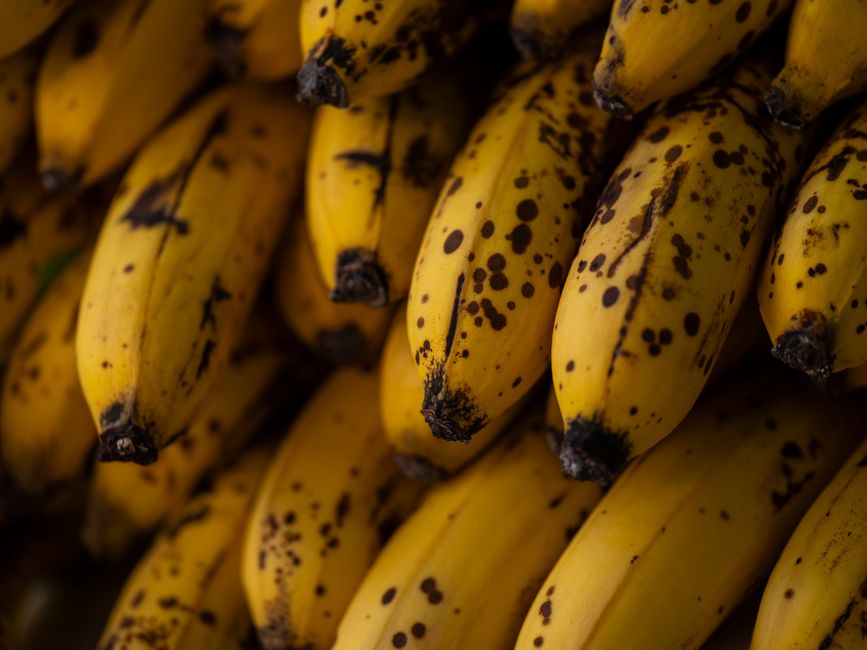
A ripe banana with brown spots has much less resistant starch. As the banana ripens, the resistant starch converts to simple sugars like glucose and fructose. These are absorbed more easily in the small intestine. That means less material reaches the colon for fermentation. For many people, a riper banana is easier on the stomach.
However, ripe bananas are higher in fructose. People with fructose malabsorption may find that ripe bananas trigger bloating, gas, and even loose stools. If you are sensitive to fructose, the riper banana may not be the better choice for you.
What Is the FODMAP Connection?
FODMAPs are fermentable carbohydrates. The acronym stands for Fermentable Oligosaccharides, Disaccharides, Monosaccharides, And Polyols. These are short-chain carbs that are poorly absorbed in the small intestine. They ferment in the colon and produce gas and bloating.
Bananas have a specific FODMAP profile. A ripe banana contains moderate amounts of fructans and polyols. Fructans are chains of fructose molecules. Polyols are sugar alcohols. Both are FODMAPs.
The low FODMAP diet, which is used to manage irritable bowel syndrome (IBS), has specific rules about bananas. A small ripe banana (about 100 grams) is considered low FODMAP. A larger portion may exceed the threshold. Green bananas are also considered low FODMAP because their resistant starch behaves differently in the gut.
If you have IBS or a diagnosed sensitivity to FODMAPs, portion size matters. A half banana may be fine. A whole large banana may trigger symptoms. This is not a universal rule, but it is a common pattern in clinical practice.




How Much Banana Is Too Much?
There is no official upper limit for banana consumption. But there is a practical limit for digestive comfort.
For most healthy adults, one medium banana per day is well tolerated. Two or three bananas in a short period can cause bloating even in people without digestive conditions. The fiber alone can slow gastric emptying. Combined with fructose and resistant starch, a large serving gives the gut more to process than it may comfortably handle.
If you are not used to eating high-fiber foods, start small. A half banana is a reasonable starting point. Add more gradually as your digestive system adapts. The gut microbiome adjusts to increased fiber over a few weeks. Bloating that happens in the first few days of increased fiber intake often resolves on its own.
Can Bananas Cause Bloating If You Eat Them on an Empty Stomach?
Some people report bloating when they eat bananas first thing in the morning. The evidence for this is mostly anecdotal rather than clinical. There is no strong research showing that bananas on an empty stomach are harmful.
The more likely explanation is that an empty stomach empties faster. Food moves into the small intestine more quickly when you have not eaten recently. If you are sensitive to fructose or FODMAPs, that faster transit may mean more undigested carbohydrate reaches the colon. That can increase gas production.
Eating a banana with other foods may slow this process. Pairing a banana with a source of protein or fat, like peanut butter or yogurt, can slow gastric emptying. This may reduce the amount of fermentable carbohydrate that reaches the colon at once.
Are Some People More Likely to Get Bloating From Bananas?
Yes. Certain groups are more prone to banana-related bloating.
People with IBS are the most obvious group. IBS affects the gut-brain interaction and how the colon responds to gas. The same amount of gas that causes no symptoms in a healthy person can cause significant pain and bloating in someone with IBS.
People with fructose malabsorption are another group. In this condition, the small intestine does not absorb fructose efficiently. The unabsorbed fructose travels to the colon and ferments. This produces gas, bloating, and sometimes diarrhea.
People who are not used to a high-fiber diet may also experience bloating. The gut microbiome needs time to adjust to increased fiber intake. If you rarely eat fruit and suddenly eat two bananas, your colon bacteria will produce more gas than usual as they adapt.
There is also a less common condition called banana allergy. This is rare but real. Symptoms include itching, hives, and swelling. Bloating is not a typical allergy symptom, but gastrointestinal distress can occur. If you experience any allergy symptoms after eating bananas, see a doctor.
What Should You Do If Bananas Make You Bloated?
If bananas cause you bloating, you have several options. None of them require giving up bananas entirely unless you find they consistently cause problems.
Choose riper bananas if you tolerate fructose well. The lower resistant starch content means less fermentation in the colon. Choose greener bananas if you have fructose sensitivity. The lower fructose content may be easier to absorb.
Eat smaller portions. A half banana may be the right serving size for your digestive system. The low FODMAP guidelines suggest that about 100 grams of ripe banana is a safe serving for most people with IBS. That is roughly one small banana.
Eat bananas with other foods. Pairing with protein or fat slows digestion and may reduce gas production. Chew thoroughly. Digestion begins in the mouth, and larger banana pieces take longer to break down.
If bloating persists no matter how you eat bananas, consider whether bananas are the actual trigger. Keep a food diary for a week. Record what you eat and when you feel bloated. This can help you identify patterns that you might miss otherwise.
When Should You See a Doctor About Bloating?
Occasional bloating after eating a banana is not a medical emergency. But persistent bloating deserves attention.
See a doctor if bloating lasts more than two weeks. See a doctor if bloating is accompanied by weight loss, blood in the stool, or severe abdominal pain. See a doctor if bloating wakes you from sleep or interferes with daily activities.
These symptoms can indicate conditions beyond simple food sensitivity. Irritable bowel syndrome, celiac disease, and small intestinal bacterial overgrowth (SIBO) can all cause bloating. A doctor can help determine whether your bloating is related to bananas or to an underlying condition.
Do not assume that eliminating bananas will solve the problem if you have other symptoms. Bananas are not the enemy for most people. They provide potassium, vitamin B6, and fiber. But if your body tells you they are a problem, listen to it and adjust accordingly.
Frequently Asked Questions
Are bananas high in FODMAPs?
Ripe bananas contain moderate amounts of fructans and polyols, which are FODMAPs. A small serving of about 100 grams is considered low FODMAP, but larger portions may trigger symptoms in sensitive people.
Do green bananas cause more bloating than ripe bananas?
Green bananas are higher in resistant starch, which ferments in the colon and produces gas. Ripe bananas have less resistant starch but more fructose, so the better choice depends on your specific sensitivities.
How long does banana bloating last?
Bloating from bananas typically resolves within a few hours as gas passes through the digestive tract. If bloating lasts longer than 24 hours or is severe, it may indicate a different underlying issue.
Can eating bananas every day cause bloating?
Daily banana consumption can cause bloating if you eat large portions or have a sensitivity to FODMAPs. For most people, one medium banana per day is well tolerated without digestive symptoms.
