
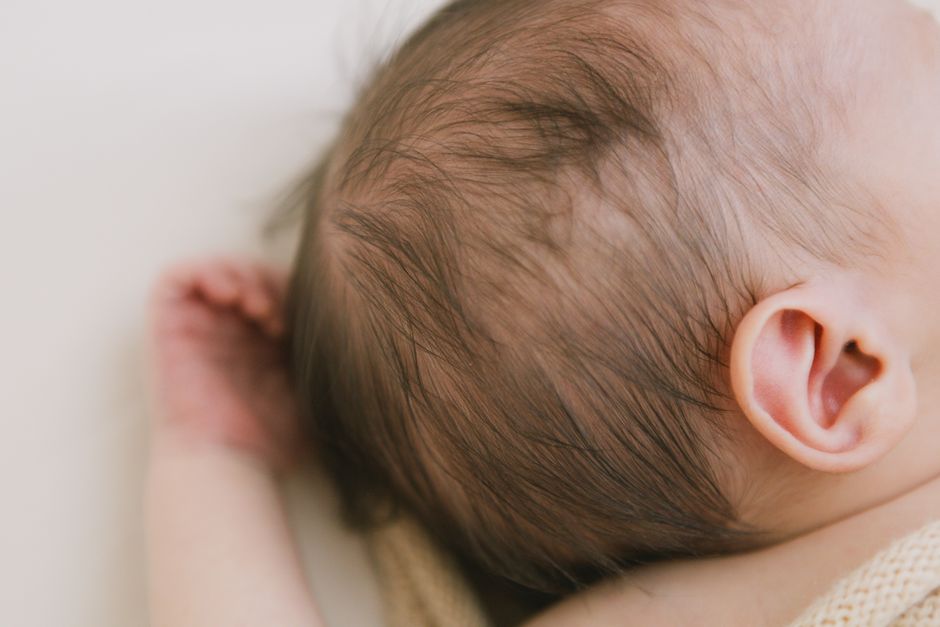
If you have ever watched your sleeping baby whimper, frown, or suddenly cry out, you have probably wondered what is happening in that small dreaming mind. The short answer: babies can experience distressing sleep states that look like nightmares, but true nightmares — frightening dreams you wake from and remember — are generally not thought to occur in the first year or two of life. What parents usually see in a crying, sleeping infant is more often a night terror, a confusional arousal, or normal active sleep with vocalizations. The distress is real. The dream is probably not.
Can Babies Have Nightmares?
Most researchers believe genuine nightmares — bad dreams with a story and a memory — require a level of cognitive development babies have not yet reached.
Nightmares are frightening dreams that usually wake a child from rapid eye movement (REM) sleep. They require the brain to construct a narrative, hold it in mind, and later recall it. That is a fairly sophisticated mental act. Babies do spend a large share of their sleep in REM, but the content of that sleep is not well understood, and there is no reliable way to ask an infant what they dreamed.
What we can say with confidence is this: babies cry out, thrash, and look upset during sleep, and parents reasonably interpret that as a bad dream. The behavior is real. The interpretation is where the uncertainty lies. Most pediatric sleep specialists place the onset of true, remembered nightmares in the toddler and preschool years, when language and imagination have developed enough to support them.
So the practical answer is that your baby is not lying there frightened by a monster. Something else is going on, and it is usually normal.
What Is Actually Happening When My Baby Cries in Their Sleep?
Most sleep-time crying in babies comes from one of a few well-understood states, and none of them involve a scary dream.
Active sleep. Babies cycle between quiet sleep and active sleep, and active sleep is the infant equivalent of REM. During active sleep, babies twitch, grimace, breathe irregularly, and make noises. It can look dramatic. It is a normal and necessary part of sleep.
Confusional arousals. These are partial awakenings where a child seems awake but is not fully conscious. They may cry, look around blankly, or resist comfort, then settle back down. They are common in young children and are not the same as a nightmare.
Night terrors. These are episodes of intense crying, sweating, and thrashing during deep sleep. A child having a night terror is not awake and will not remember it. Night terrors tend to appear in toddlers and older children more than in infants, but early episodes are reported.
Discomfort or hunger. Sometimes the simplest explanation is correct. A wet diaper, teething pain, a too-warm room, or hunger can all produce crying that happens to occur during sleep.
One useful clarification: the line between a night terror and a nightmare is not how upset the child looks. It is whether the child is awake and remembers it. Night terrors happen in deep sleep and leave no memory. Nightmares happen in REM and are recalled. That distinction shapes how you respond.
When Do Nightmares Actually Start in Children?
Nightmares become genuinely common in the preschool years, roughly between ages 3 and 6, and many children have them occasionally after that.
This timing lines up with a burst in imagination and language. Once a child can build a story in their mind, they can build a frightening one. Once they can remember it, they can tell you about it. Before that, the machinery for a remembered bad dream is not fully in place.
That does not mean a two-year-old can never have a bad dream. Some children describe scary dreams quite early. The evidence here is based largely on parent reports and clinical observation rather than direct measurement, so treat exact ages as a general guide, not a hard rule.
What is well established is that nightmares are extremely common in childhood overall. Most children have them at some point, and they usually do not signal a problem. They become worth discussing with a clinician when they are frequent, cause real distress, or start disrupting a child’s sleep and daytime behavior over time.





How Can I Tell the Difference Between a Night Terror and a Nightmare?
The clearest sign is whether your child is awake and remembers the episode afterward.
During a night terror, a child may sit up, cry loudly, sweat, and push you away. Their eyes may be open but they are not truly awake. The episode typically happens in the first part of the night during deep sleep and often lasts several minutes. Attempts to comfort them usually do not help much, and they settle on their own. In the morning, they have no memory of it.
During a nightmare, a child wakes up fully, is comforted by a parent, and can often describe what scared them — especially once they are old enough to talk. Nightmares tend to happen in the second half of the night, when REM sleep is more concentrated.
- Night terror: not awake, does not remember, hard to comfort, early in the night.
- Nightmare: awake and upset, remembers it, comforted by a parent, later in the night.
For a baby, you will rarely be able to make this distinction with certainty, because they cannot tell you what happened. In practice, the response is similar: stay calm, keep the child safe, and avoid waking them abruptly.
What Should I Do When My Baby Seems Distressed in Sleep?
Stay calm, keep the sleep environment safe, and give your baby a moment before intervening.
If your baby is crying but still asleep, a brief pause lets you see whether they settle on their own. Many episodes resolve within a minute or two. Rushing in and picking them up can sometimes fully wake a baby who was in a normal sleep state.
If the crying continues or your baby is clearly awake and upset, comfort them the way you normally would. Keep the room dim and your voice low. Avoid turning on bright lights or starting play, which can make it harder for them to return to sleep.
For a suspected night terror, the priority is safety. Do not try to wake the child forcefully. Keep them from hurting themselves, stay nearby, and let the episode pass. Waking a child mid-terror can make them confused and more upset.
Follow safe sleep guidance for infants at all times. Babies should sleep on their back, on a firm surface, in their own sleep space, without loose bedding or soft objects. This is established guidance from pediatric authorities and matters far more for your baby’s safety than any sleep disturbance discussed here.
Talk to your pediatric clinician if episodes are frequent, if your baby seems unwell, or if you are worried about their breathing, feeding, or growth. Those concerns deserve a real conversation, not a guess.
Do Sleep Disturbances in Babies Mean Something Is Wrong?
Most crying and stirring during infant sleep is normal and does not indicate a problem.
Babies sleep differently from adults. They spend more time in active sleep, cycle through sleep stages faster, and wake more often. Noisy, restless sleep is part of how infants are built, not a sign of trouble.
There are situations where a clinician should be involved. These include episodes that are very frequent, breathing that looks unusual or pauses, a baby who is hard to rouse, or sleep problems that come with poor feeding, slow weight gain, or unusual movements. Those are reasons to seek medical advice rather than wait.
For the ordinary case — a baby who cries out, settles, and is fine in the morning — there is usually nothing to fix. It is a phase of normal development, and it passes.
Will My Baby Grow Out of Sleep Crying?
Yes. Sleep-related crying and partial arousals are common in infancy and generally become less frequent as children grow.
As a child’s sleep architecture matures, arousals tend to settle. Night terrors in particular are usually outgrown, and most children stop having them by the time they reach school age. Nightmares can continue on and off through childhood, which is also normal.
What helps most is consistency. A predictable bedtime routine, a calm and dark sleep space, and a steady response to night waking all support better sleep over time. There is no reliable evidence that any specific product or supplement prevents nightmares in babies, and none should be used for that purpose without a clinician’s guidance.
Frequently Asked Questions
Can a 6-month-old have nightmares?
It is unlikely in the true sense, because remembered bad dreams require cognitive development that most 6-month-olds have not reached. Crying during sleep at this age is usually active sleep, a partial arousal, or simple discomfort.
What does a baby nightmare look like?
What parents describe as a nightmare usually looks like sudden crying, frowning, or thrashing during sleep. In most cases this reflects a normal sleep state rather than a frightening dream the baby will remember.
Should I wake my baby during a night terror?
No. Do not try to wake a child during a night terror, because it can leave them confused and more upset. Keep them safe, stay nearby, and let the episode pass on its own.
When should I worry about my baby crying in their sleep?
Talk to your pediatric clinician if episodes are very frequent, if your baby is hard to rouse, has unusual breathing, or shows poor feeding or slow weight gain. Ordinary sleep crying that settles quickly is usually normal.
