
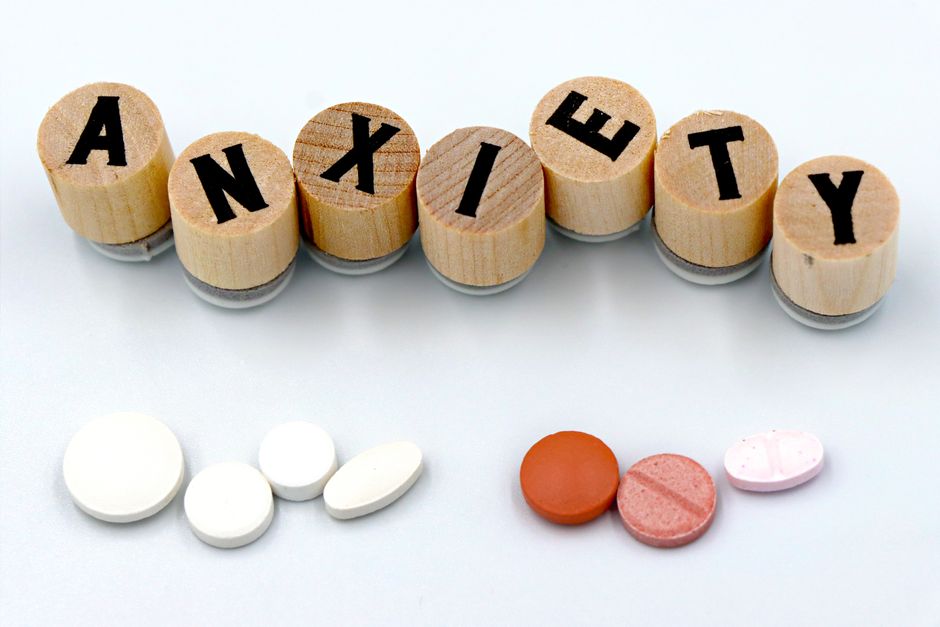
Anxiety can contribute to overactive bladder symptoms, but it is rarely the whole story. The connection is real and well documented: stress and anxiety activate the same nervous system that controls bladder function. That means worry can make a bladder feel more urgent and more active than it actually is. It does not mean the symptoms are imaginary. It means the brain and bladder are talking to each other, and anxiety can turn up the volume.
How Does Anxiety Cause Overactive Bladder Symptoms?
The bladder is controlled by the autonomic nervous system. This is the part of the nervous system that runs in the background. It manages things like heart rate, digestion, and bladder filling and emptying.
The autonomic nervous system has two main branches. The sympathetic branch helps the bladder relax and store urine. The parasympathetic branch signals the bladder muscle to squeeze and release urine. When anxiety spikes, the body shifts into a stress response. That shift can disrupt the normal balance between these two branches.
One result is that the detrusor muscle, the main muscle of the bladder wall, can become more excitable. It may contract before the bladder is full. That early contraction creates the sudden, hard-to-ignore urge that defines overactive bladder.
Anxiety also increases attention to body sensations. A person who is anxious may notice a mild bladder signal that others would ignore. That heightened awareness can make normal filling feel urgent. This is not a sign of weakness. It is how attention and anxiety interact with physical sensation.
There is a second layer here that many people miss. Anxiety and overactive bladder can feed each other in a loop. The fear of having an accident raises anxiety. Higher anxiety tightens the pelvic floor and increases urgency. That makes the next outing feel more threatening. Over time, the pattern can become self-sustaining even when the original trigger has passed.
Is There a Proven Link Between Anxiety and Overactive Bladder?
Yes. Research consistently shows higher rates of anxiety in people diagnosed with overactive bladder compared with the general population. The relationship runs in both directions. People with overactive bladder are more likely to report anxiety, and people with anxiety disorders are more likely to report urinary urgency and frequency.
What the research does not show is that anxiety alone causes most cases of overactive bladder. In many people, both conditions exist side by side without one directly creating the other. They may share underlying factors, such as nervous system sensitivity or chronic stress.
This matters for treatment. If anxiety is a major driver, calming the nervous system can reduce symptoms. If there is another cause, such as nerve damage, pelvic floor dysfunction, or an underlying medical condition, treating anxiety alone may not resolve the bladder problem.
What Are the Symptoms of Anxiety-Related Overactive Bladder?
The symptoms look the same whether anxiety is involved or not. The difference is often in the pattern and timing.
- Urgency — a sudden, strong need to urinate that is hard to delay
- Frequency — urinating more often than usual during the day
- Nocturia — waking at night to urinate
- Urge incontinence — leaking before reaching a bathroom
When anxiety is a factor, symptoms often flare during stressful situations. Public speaking, travel, exams, or social events may trigger urgency. Symptoms may be milder or absent when the person feels safe and relaxed.
Some people notice symptoms mainly in specific settings. A person may have no urgency at home but feel an intense need to urinate the moment they enter a store or board a plane. This pattern suggests the brain and nervous system are playing a large role.
It is also common for anxiety-related bladder symptoms to come with other signs of an overactive stress response. These can include a racing heart, tight muscles, shallow breathing, or a churning stomach.





How Is Anxiety-Related Overactive Bladder Treated?
Treatment usually works best when it addresses both the bladder and the anxiety. Focusing on only one often leaves the other unresolved.
For the bladder itself, clinicians may recommend behavioral approaches first. These include bladder training, which involves gradually extending the time between bathroom trips, and pelvic floor exercises. Some people benefit from avoiding bladder irritants such as caffeine and alcohol, though individual responses vary.
For the anxiety side, several approaches have evidence behind them. Cognitive behavioral therapy is well studied for anxiety and can help break the cycle of catastrophic thoughts about bladder symptoms. Relaxation techniques, including slow breathing and progressive muscle relaxation, can calm the stress response that drives urgency.
Medications exist for both conditions. Anticholinergic and beta-3 agonist drugs are commonly prescribed for overactive bladder. Antidepressants and anti-anxiety medications may help with anxiety. Some medications can affect bladder function, so a clinician needs to consider both conditions together rather than treating them in isolation.
No single treatment works for everyone. What helps one person may do little for another. This is why an individualized plan matters.
When Should You See a Doctor About Bladder Symptoms?
Bladder symptoms deserve a medical evaluation, especially if they are new or getting worse. Anxiety may explain part of the picture, but it should not be assumed to explain all of it.
See a doctor if you notice any of the following:
- Blood in the urine
- Pain or burning when urinating
- Difficulty urinating or a weak stream
- Symptoms that started suddenly
- Fever or lower back pain along with urinary changes
- Bladder symptoms that interfere with daily life
These signs can point to conditions other than anxiety, including urinary tract infections, kidney problems, or neurological issues. A doctor can help sort out what is driving the symptoms.
It is also worth mentioning anxiety to your doctor if you have it. Many people separate mental and physical health when describing symptoms. Bringing both into the same conversation helps a clinician see the full picture.
Can Managing Anxiety Reduce Overactive Bladder Symptoms?
For some people, yes. When anxiety is a significant trigger, reducing it can lessen urgency and frequency. This does not mean anxiety treatment cures overactive bladder in every case. It means the two are connected enough that calming one can influence the other.
Some studies suggest that relaxation training and stress management can improve bladder symptoms in people whose urgency is linked to anxiety. The evidence is strongest for approaches that combine behavioral bladder training with anxiety treatment.
It helps to think of the nervous system as a dial rather than a switch. Anxiety turns the dial up. Calm turns it down. For people whose bladder is sensitive to that dial, even modest changes in anxiety can make a noticeable difference.
That said, no approach works instantly. Bladder symptoms tied to anxiety often improve gradually as the nervous system settles. Patience and consistency matter more than any single technique.
What Else Can Cause Overactive Bladder Besides Anxiety?
Many conditions can produce overactive bladder symptoms. Anxiety is one possible contributor, not the only one.
Common causes include urinary tract infections, bladder stones, and pelvic floor dysfunction. In men, an enlarged prostate can cause urgency and frequency. In women, changes related to menopause can affect bladder control. Neurological conditions such as multiple sclerosis and Parkinson’s disease can also disrupt bladder signals.
Certain medications can worsen bladder symptoms. So can diabetes, which can affect the nerves that control the bladder over time. Age itself is a factor, though overactive bladder is not a normal part of aging and should not be dismissed as such.
Because so many conditions can cause similar symptoms, a proper evaluation matters. Treating anxiety without ruling out other causes could delay care for something else.
Frequently Asked Questions
Can anxiety alone cause overactive bladder?
Anxiety can contribute to overactive bladder symptoms by affecting the nervous system that controls bladder function. It is rarely the only cause, and other conditions should be ruled out by a doctor.
Why do I feel like I need to urinate when I am anxious?
Anxiety activates the stress response, which can make the bladder muscle more excitable and increase awareness of bladder sensations. This can create a strong urge even when the bladder is not full.
Does treating anxiety help overactive bladder?
For some people, reducing anxiety can lessen urgency and frequency, especially when anxiety is a major trigger. Results vary, and bladder symptoms often need their own treatment as well.
When should I see a doctor for overactive bladder symptoms?
See a doctor if symptoms are new, getting worse, or interfering with daily life. Blood in the urine, pain, or difficulty urinating should be evaluated promptly.
