
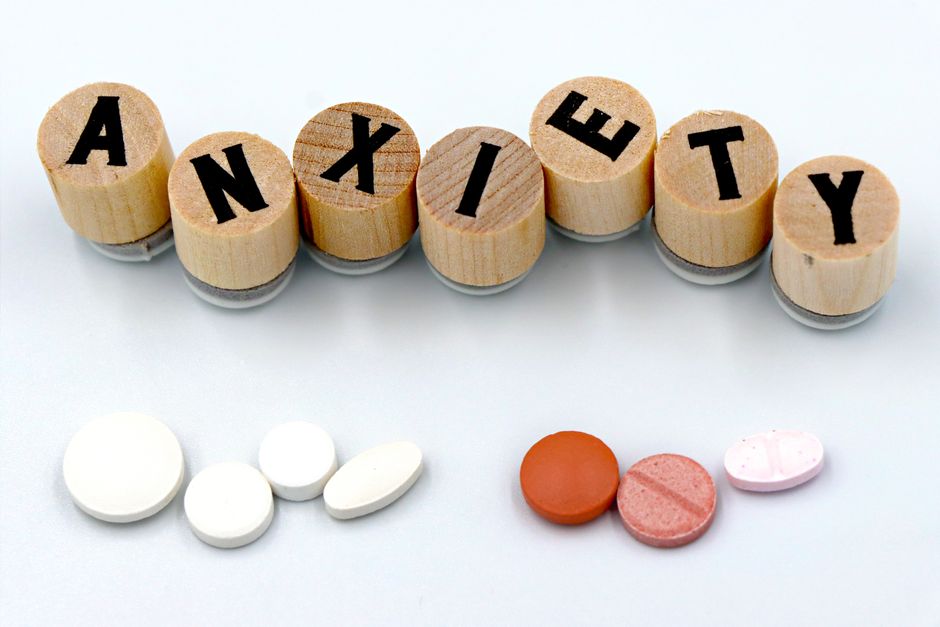
Yes, anxiety can cause numbness on one side of the body. Anxiety triggers the body’s stress response, which can affect nerve signaling and blood flow in ways that produce tingling, prickling, or a numb feeling — sometimes on just one side. That said, one-sided numbness is also a hallmark of serious conditions like stroke, so it should never be dismissed without a medical evaluation.
How Anxiety Produces Numbness on One Side
When the brain perceives a threat, it releases stress hormones like adrenaline and cortisol. These hormones prepare the body to fight or flee. Part of that response includes redirecting blood flow away from the skin and extremities and toward major muscle groups. That shift can leave the hands, feet, or limbs feeling tingly or numb.
Anxiety also causes hyperventilation — rapid, shallow breathing. When you breathe too quickly, you exhale more carbon dioxide than usual. Low carbon dioxide levels in the blood change the pH balance and make nerves more excitable. The result is often tingling or numbness in the hands, feet, and around the mouth. This is a well-documented physiological effect, not a sign of something imaginary.
Why one side? Anxiety-related numbness is not always symmetrical. Muscle tension often builds unevenly — you might clench your jaw on one side, hold one shoulder higher, or tense one arm more than the other. Nerve compression from that uneven tension can cause numbness that appears on just one side. It is also possible for the brain’s attention to fixate on one area, amplifying normal sensations into something that feels distinctly abnormal.
What Does Anxiety Numbness Actually Feel Like?
Anxiety-related numbness tends to have a specific quality. People describe it as a pins-and-needles sensation, a feeling that a limb has “fallen asleep,” or a patch of skin that feels distant or dull. It often comes and goes. It may worsen during a panic attack and fade as the anxiety settles.
It can affect the face, lips, fingers, hands, arms, legs, or feet. Some people notice it on one side of the face or scalp. Others feel it in one hand or one foot. The sensation is real — the nervous system is genuinely altering how it processes sensory input during a stress response.
What anxiety numbness typically does not do is cause true loss of function. You can still move the limb. You can still feel deep pressure even if light touch feels odd. Muscle strength remains intact. That distinction matters, but it is not a reliable way to self-diagnose. Only a medical professional can tell the difference with confidence.
When One-Sided Numbness Is a Medical Emergency
One-sided numbness is one of the classic warning signs of a stroke. Stroke is a medical emergency. Every minute without treatment increases the risk of permanent damage.
The acronym FAST helps people remember the key signs:
- Face — Does one side of the face droop?
- Arms — Does one arm drift downward when both are raised?
- Speech — Is speech slurred or strange?
- Time — If you see any of these signs, call emergency services immediately.
Other conditions can also cause one-sided numbness. These include transient ischemic attack (a temporary blockage of blood flow to the brain), multiple sclerosis, nerve compression from a herniated disc, and migraine with aura. Some of these are serious. Some are not. The only way to know is to get evaluated.
Call emergency services or go to an emergency room if numbness:
- Comes on suddenly
- Affects one entire side of the body
- Comes with weakness, drooping, confusion, trouble speaking, or vision changes
- Comes with a severe headache or loss of balance
Do not wait to see if it passes. Do not assume it is anxiety. A stroke and an anxiety attack can feel similar in some ways, and even experienced clinicians rely on imaging to tell them apart.





How Doctors Tell the Difference
When someone comes in with one-sided numbness, doctors follow a structured approach. They ask about timing — did it start suddenly or build gradually? They ask about associated symptoms. They check strength, reflexes, and sensation on both sides. If there is any concern for stroke, they order brain imaging.
Anxiety is generally considered only after serious causes have been ruled out. This is not because doctors doubt the patient. It is because the cost of missing a stroke is far higher than the cost of running a few tests.
If all tests come back normal and the pattern fits anxiety, a doctor may explain that the nervous system is in a heightened state. That explanation is not a dismissal. It is a diagnosis of exclusion — meaning other possibilities were checked and cleared.
The Physiology Behind Anxiety-Related Numbness
The numbness from anxiety is not “in your head” in the way people sometimes mean it dismissively. It is a real neurological event with measurable causes.
Three mechanisms are well established:
- Hyperventilation: Rapid breathing lowers carbon dioxide in the blood. This causes blood vessels to narrow and nerves to fire more easily, producing tingling and numbness. This is called respiratory alkalosis.
- Muscle tension: Chronic anxiety keeps muscles tight. Tension in the neck, shoulders, or back can compress nerves that supply the arms, legs, or face. This can produce numbness along the path of that nerve.
- Increased nerve sensitivity: Stress hormones can lower the threshold at which nerves fire. Sensations that would normally go unnoticed may register as tingling or numbness.
These processes are documented in clinical research on panic disorder and hyperventilation syndrome. They are not theoretical. They are part of the reason anxiety can produce physical symptoms that feel alarming but are not dangerous in themselves.
What Helps Reduce Anxiety-Related Numbness
If a doctor has confirmed that anxiety is the cause, the numbness itself is not harmful. But it is uncomfortable, and it can feed a cycle of worry that makes the anxiety worse.
Breathing exercises are one of the most direct ways to interrupt the cycle. Slow, diaphragmatic breathing — breathing from the belly rather than the chest — helps restore normal carbon dioxide levels. This can reduce tingling within minutes in some people.
Grounding techniques can also help. These are simple actions that redirect attention away from the numbness and back to the present environment. Examples include pressing your feet firmly into the floor, holding a cold object, or naming objects in the room.
For ongoing anxiety, treatment usually involves therapy, medication, or both. Cognitive behavioral therapy has the strongest evidence base for anxiety disorders. Selective serotonin reuptake inhibitors are commonly prescribed and have been studied extensively. Benzodiazepines are sometimes used short-term but carry a risk of dependence.
No single approach works for everyone. What helps one person may not help another. A doctor or mental health professional can help match treatment to the individual.
Can Anxiety Cause Numbness on One Side Without Other Symptoms?
Yes, it can. Some people experience one-sided numbness as an isolated symptom during periods of high stress. There may be no racing heart, no sense of doom, no other obvious sign of anxiety.
That said, isolated one-sided numbness is also a presentation that doctors take seriously. The absence of other symptoms does not rule out a neurological cause. It simply means the picture is less clear.
If you are experiencing one-sided numbness and you are not sure why, get it checked. If a doctor confirms anxiety is the cause, you can work on managing the anxiety. If something else is going on, you want to know that early.
Frequently Asked Questions
Can anxiety cause numbness on one side of the body?
Yes, anxiety can cause tingling or numbness on one side of the body through mechanisms like hyperventilation, muscle tension, and altered nerve sensitivity. However, one-sided numbness is also a stroke warning sign, so it should always be evaluated by a medical professional.
How long does anxiety numbness usually last?
It varies. Some people notice it for a few minutes during a panic attack, while others feel it for hours or longer during periods of sustained stress. There is no standard duration, and persistent numbness should be checked by a doctor.
Is numbness on one side of the face a sign of anxiety?
It can be. Anxiety-related muscle tension and hyperventilation can affect the face, lips, or scalp on one side. But facial numbness on one side is also a stroke symptom, so sudden onset requires emergency evaluation.
Can anxiety cause numbness on the left side of the body only?
Yes, anxiety symptoms are not always symmetrical, and some people notice numbness predominantly on one side. That said, there is nothing specific about the left side that makes it more likely to be anxiety-related versus something else.
