
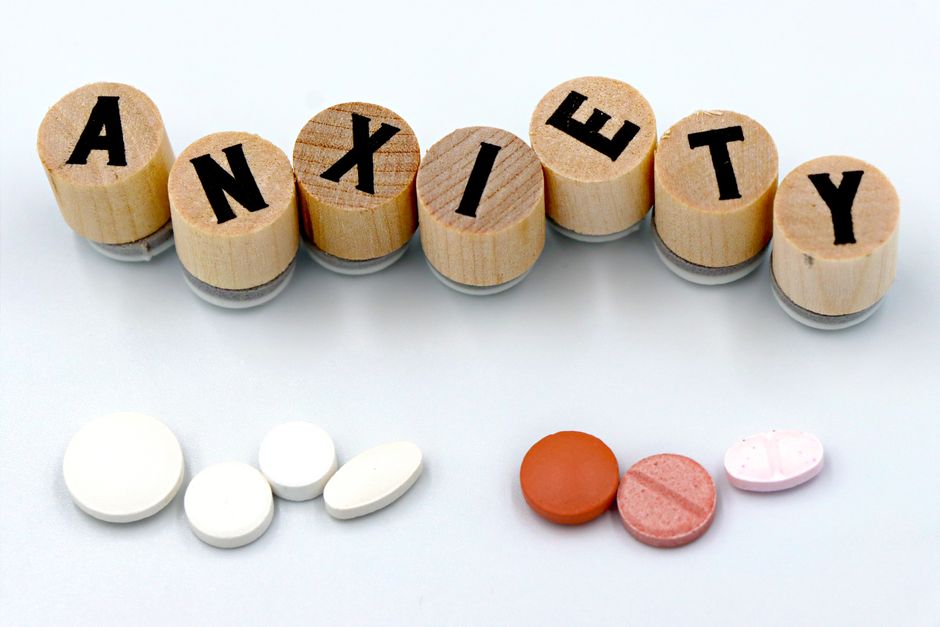
Sweating more than usual can be frustrating and embarrassing. If you notice it happens most when you feel nervous, stressed, or overwhelmed, you might wonder if your anxiety is the cause. The answer is yes—anxiety can directly cause excessive sweating. This happens because your body’s stress response triggers your sweat glands to activate, even when you are not hot or exercising.
Why Does Anxiety Make You Sweat?
Anxiety triggers your body’s fight-or-flight response. This is an ancient survival system designed to protect you from danger. When your brain perceives a threat—whether it is a real emergency or a work presentation—it signals your adrenal glands to release stress hormones like adrenaline and cortisol.
These hormones increase your heart rate and redirect blood flow to your muscles. They also activate your sweat glands. Sweating during this response helps cool your body down in case you need to run or fight. The problem is that your body cannot tell the difference between physical danger and mental stress. So a stressful email can make you sweat just as much as a physical threat would.
This type of sweating is not related to temperature. You can be sitting in a cool room and still sweat heavily if your anxiety is high. That is why it feels so confusing and uncomfortable.
What Does Anxiety Sweating Look Like?
Anxiety sweating most often affects specific areas of the body. The palms of your hands, soles of your feet, underarms, and face are the most common spots. This is different from heat-related sweating, which tends to be more widespread across your whole body.
The sweating can range from mild clamminess to dripping sweat. Some people notice it starts suddenly during a moment of panic. Others experience it as a constant low-level moisture throughout the day when they feel generally anxious.
This type of sweating often creates a cycle. You sweat because you are anxious. Then you become anxious about the sweating itself. This can make the sweating worse. It is a common reason people avoid social situations or public speaking.
How to Tell If Your Sweating Is From Anxiety
It is not always easy to know if your sweating comes from anxiety or another cause. The timing and pattern offer useful clues. If your sweating happens mainly during stressful moments and stops when you feel calm, anxiety is likely the trigger.
Ask yourself these questions:
- Does the sweating start when you feel nervous or worried?
- Does it happen even when you are not hot or physically active?
- Does it focus on your palms, underarms, or face?
- Does it stop when you feel relaxed or distracted?
If you answered yes to most of these, anxiety is probably playing a role. However, other conditions can also cause excessive sweating. These include hormonal changes, thyroid problems, low blood sugar, and certain medications. Some people have a condition called hyperhidrosis, which causes excessive sweating without any clear trigger.
Can Anxiety Cause Night Sweats?
Yes. Anxiety can cause sweating while you sleep. Some people wake up drenched even though their bedroom is cool. This happens because anxiety does not always switch off when you sleep. Stress and worry can keep your nervous system on high alert through the night.
Night sweats from anxiety are often linked to stress dreams or poor sleep quality. If you wake up frequently during the night, your body may release stress hormones that trigger sweating. However, night sweats can also signal other health issues. Menopause, infections, and certain medications can cause night sweats. If your night sweats are severe, happen regularly, or come with fever or weight loss, talk to a doctor.
How to Stop Anxiety Sweating
Managing anxiety sweating means addressing both the sweating and the anxiety itself. You cannot completely stop your body’s stress response. But you can reduce how often it activates and how intensely you react to it.
Calm Your Body
Deep breathing is one of the fastest ways to calm your nervous system. Slow, deep breaths signal your brain that you are safe. This can lower your heart rate and reduce stress hormone release. Try breathing in for four seconds, holding for four seconds, and breathing out for four seconds. Repeat this for a few minutes when you feel anxious.
Cool Down Quickly
If you start sweating, cool your body down to reduce discomfort. Keep a small fan at your desk. Run cool water over your wrists. Wipe your face and neck with a cool cloth. These actions help lower your skin temperature and can make you feel more comfortable while your stress response settles.
Use Clinical-Strength Antiperspirants
Regular antiperspirants may not be strong enough for anxiety sweating. Clinical-strength antiperspirants contain higher concentrations of aluminum chloride. This ingredient temporarily blocks sweat ducts. Apply it at night before bed, not in the morning. It works better when your sweat glands are less active.
Address the Anxiety Itself
Reducing your overall anxiety level will reduce how often you sweat. Regular exercise, adequate sleep, and limiting caffeine can help. Caffeine is a stimulant that can trigger the same stress response as anxiety. Cutting back on coffee or energy drinks may noticeably reduce your sweating.
Therapy can also help. Cognitive behavioral therapy is an evidence-based treatment for anxiety. It helps you identify anxious thought patterns and develop healthier responses to stress. For some people, this alone reduces physical symptoms like sweating.
When to See a Doctor
Occasional anxiety sweating is normal and manageable. But you should see a doctor if your sweating interferes with your daily life. Signs that medical help is needed include:
- Sweating that happens without any emotional trigger
- Sweating that continues during sleep
- Sweating accompanied by chest pain, shortness of breath, or dizziness
- Sudden changes in how much you sweat
- Sweating that damages your relationships or career
A doctor can help determine if your sweating comes from anxiety or another medical condition. They may run blood tests to check your thyroid function or blood sugar levels. If anxiety is the cause, they can discuss treatment options. These may include therapy, medication, or prescription antiperspirants.
Medication is an option for severe anxiety sweating. Some antidepressants help reduce anxiety symptoms, including physical ones. Beta-blockers are sometimes prescribed for situational anxiety, such as before public speaking. These medications reduce the physical effects of adrenaline, including sweating. A doctor can help you decide if medication is appropriate for your situation.
Can Anxiety Cause Excessive Sweating Long Term?
Anxiety sweating itself is not dangerous. It is uncomfortable and distressing, but it does not harm your health. However, chronic anxiety can keep your stress response overactive for long periods. This means you may sweat more frequently over months or years if your anxiety is not treated.
Long-term anxiety can also affect your body in other ways. Persistent stress hormones can disrupt sleep, digestion, and immune function. Treating the underlying anxiety is the most effective way to stop the sweating and protect your overall health.
If you have lived with anxiety sweating for years, know that it is treatable. Many people successfully manage their symptoms with the right combination of lifestyle changes, therapy, and medical support.
Frequently Asked Questions
Why do I sweat when I am not hot or exercising?
Anxiety triggers your body’s stress response, which activates your sweat glands even when your temperature is normal. Stress hormones like adrenaline signal your body to cool down in preparation for perceived danger.
Can anxiety cause sweating all day?
Yes, if you have chronic anxiety, your stress response may stay mildly activated throughout the day. This can cause frequent or constant sweating, especially in your palms, underarms, and face.
Does anxiety sweating smell different from regular sweat?
Anxiety sweating can smell stronger because it comes from apocrine glands, which produce a thicker fluid that bacteria break down. This type of sweat is released during stress rather than heat.
What is the fastest way to stop anxiety sweating?
Slow deep breathing can calm your nervous system and reduce stress hormone release within minutes. Cooling your skin with water or a fan can also provide immediate relief while your body settles.
