
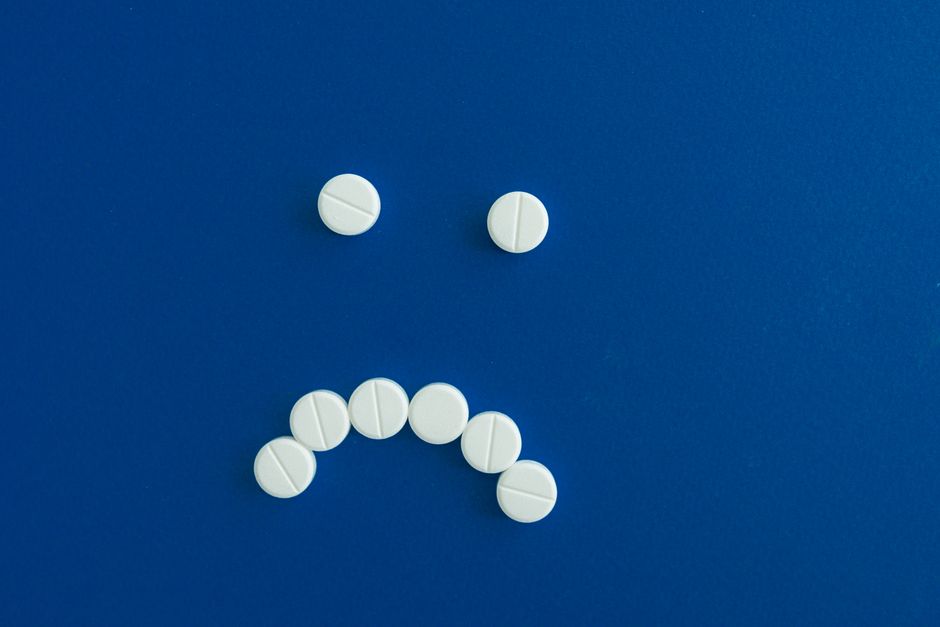
Antidepressants are designed to ease depression, but some people feel worse after starting them. This can happen, and it is a recognized clinical problem, not something you are imagining. The effect is real, it has several distinct causes, and it usually needs a prompt conversation with your prescriber rather than silent suffering.
Can Antidepressants Make You More Depressed?
Yes, in specific circumstances. The most common cause is an increase in anxiety or agitation during the first two weeks of treatment. Some people also experience emotional blunting, where they feel numb rather than sad, which can feel like a different kind of depression. A smaller number of people experience a paradoxical worsening of suicidal thoughts, particularly younger adults and teenagers. Each of these situations has a different mechanism and a different clinical response.
Feeling worse is not a sign that you are weak or that the medication is failing. It is a known pharmacological effect that happens in a minority of patients. The critical step is distinguishing between a temporary adjustment period and a genuine adverse reaction that requires a change in treatment.
What Causes the Initial Worsening of Symptoms?
Antidepressants change brain chemistry over days and weeks, not hours. The most well-studied class, SSRIs, block the reuptake of serotonin, increasing its availability in the synapse. But the brain’s receptor systems do not adjust instantly. During the first one to two weeks, the increased serotonin can actually stimulate anxiety pathways before the down-regulation of receptors produces the therapeutic effect.
This explains why a patient might feel more anxious, restless, or agitated before feeling better. The clinical term is activation or akathisia. It is a documented side effect, not a psychological failure. For most people, this phase passes within ten to fourteen days. The difficulty is that this is also the period when a patient is most likely to stop the medication.
Some patients also experience a temporary increase in depressed mood itself. This is less common than increased anxiety, but it is documented in clinical trials. The mechanism is not fully understood. It may relate to how the drug interacts with individual neurochemistry, genetic variations in serotonin transporters, or underlying bipolar disorder that has not yet been diagnosed.
How Does Emotional Blunting Differ From Depression?
Emotional blunting is a specific side effect that some patients describe as feeling flat. They do not feel sad, but they also cannot feel joy, excitement, or deep connection. They may say the medication “took the edge off” everything, not just the pain. This is not the same as depression, where the dominant experience is low mood, hopelessness, or loss of interest.
Research suggests emotional blunting occurs in a subset of patients on SSRIs and SNRIs. It may be related to the same serotonin changes that reduce rumination, but the effect overshoots in some individuals. Patients often report this after several weeks or months of treatment, not in the first days.
If you experience emotional blunting, the treatment is not to push through indefinitely. Dose reduction, switching to a different class of antidepressant, or adding a second medication are all options your doctor can discuss. Some patients do well on bupropion, which acts on dopamine and norepinephrine rather than serotonin, and has a lower rate of emotional blunting.





Can Antidepressants Increase Suicidal Thoughts?
Yes, particularly in children, adolescents, and young adults under age 25. The FDA requires a black box warning on all antidepressants about this risk. The warning exists because clinical trial data showed an increased risk of suicidal thinking and behavior in young people taking these medications compared to placebo.
This is not fully understood. One leading theory is that the medication produces enough energy and motivation to act on suicidal thoughts before the mood-lifting effect takes hold. A severely depressed person may lack the energy to attempt suicide. As the medication begins to work, energy returns faster than mood improves, creating a dangerous window.
In adults over age 25, the evidence shows antidepressants reduce suicidal thoughts overall. In adults over 65, the protective effect is strongest. The risk is age-dependent and not uniform. Anyone starting an antidepressant should be monitored closely for the first month, and family members should be educated about warning signs.
What Should You Do If You Feel Worse?
The first step is to contact your prescriber. Do not stop the medication abruptly, as withdrawal effects can complicate the picture. Most SSRIs and SNRIs require a taper to discontinue safely. Stopping suddenly can cause dizziness, nausea, headache, and a rebound of depressive symptoms that is hard to distinguish from the original condition.
Keep a daily log of your mood, sleep, appetite, and energy levels. This gives your doctor concrete data rather than a vague sense of “feeling bad.” Note the timing of any worsening. If symptoms spiked right after a dose increase, that is important information. If they have been building for weeks, that suggests a different problem.
If you are experiencing active suicidal thoughts or have a plan, this is a medical emergency. Go to an emergency room or call 988 in the United States. Do not wait for a routine appointment. Suicidal thoughts are treatable, but only if you get help promptly.
When Does the Medication Start Working?
Most antidepressants take two to six weeks to show meaningful improvement. Side effects, including anxiety or agitation, often appear in the first week. This mismatch between early side effects and delayed benefits is a common reason people stop treatment prematurely.
Full therapeutic effect may take eight to twelve weeks. If you have no improvement after six weeks at a therapeutic dose, your doctor may increase the dose or consider switching medications. If you have partial improvement, the same options apply with more time allowed.
It is important to distinguish between “feeling worse” and “not feeling better yet.” Feeling worse in the first two weeks is a documented side effect pattern. Not feeling better at week six is a sign that the current medication or dose may not be right for you. Both need clinical attention, but the urgency and response differ.
Are There Alternatives to Antidepressants?
Yes. Psychotherapy, particularly cognitive behavioral therapy, has strong evidence for treating depression. Some research indicates that combining medication with therapy produces better outcomes than either alone. Therapy can also help you develop coping skills that persist after medication is discontinued.
Exercise has consistent evidence for mild to moderate depression. Aerobic exercise three times per week shows measurable mood benefits, though the effect size is smaller than medication. Light therapy is effective for seasonal affective disorder. Sleep hygiene and stress reduction techniques are helpful adjuncts but are rarely sufficient alone for moderate to severe depression.
For treatment-resistant depression, there are newer options. Transcranial magnetic stimulation (TMS) is FDA-approved and does not have systemic side effects. Ketamine and esketamine are approved for treatment-resistant depression and can work within hours to days, unlike traditional antidepressants. Electroconvulsive therapy (ECT) remains the most effective treatment for severe depression, particularly with psychotic features.
No treatment works for everyone. If one medication causes worsening symptoms, that does not mean all medications will. It means this specific drug is not a good match for your biology.
Frequently Asked Questions
How long does it take to know if an antidepressant is making you worse?
Most side effects appear within the first one to two weeks of starting or changing a dose. If symptoms worsen after four weeks, that is more likely a sign the medication is not working for you rather than an adjustment period.
Should I stop my antidepressant if I feel worse?
Do not stop abruptly without speaking to your prescriber. Sudden discontinuation can cause withdrawal symptoms that make you feel even worse. Contact your doctor to discuss a safe taper or a medication change.
Can antidepressants trigger mania?
Yes, in people with bipolar disorder, antidepressants can trigger a manic episode. This is why a careful psychiatric history matters before prescribing. If you experience a sudden decrease in need for sleep, racing thoughts, or impulsive behavior, contact your doctor immediately.
Is it normal to feel numb on antidepressants?
Emotional blunting is a known side effect for some patients, not a sign of treatment failure. It can often be managed by dose adjustment or switching to a different class of medication. Report it to your doctor rather than accepting it silently.
