
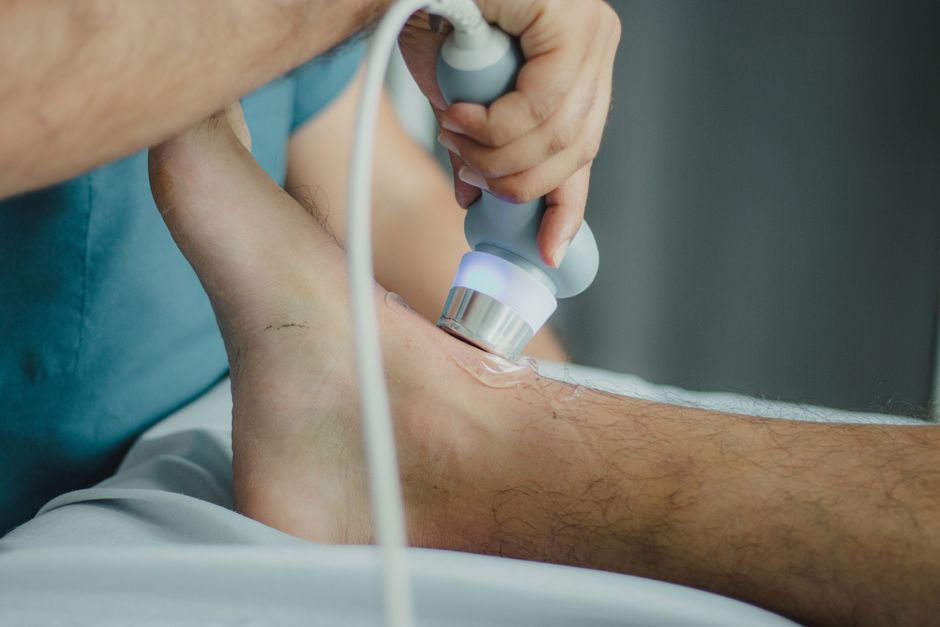
Yes, an ultrasound can show a hernia, and for certain parts of the body it is often the first imaging test a doctor orders. It is especially useful for hernias in the groin, the abdominal wall, and the belly button. In some cases, though, an ultrasound comes back normal even when a hernia is present, which is why doctors sometimes turn to other imaging or rely on the physical exam.
Can An Ultrasound Show A Hernia?
An ultrasound can detect many hernias, particularly those near the surface of the body where the sound waves can reach them clearly. A hernia happens when an organ or fatty tissue pushes through a weak spot in the muscle or connective tissue that normally holds it in place.
Ultrasound uses high-frequency sound waves to build a picture of soft tissue inside the body. It does not use radiation. A technician moves a small handheld probe over the skin, often with gel, and the machine translates the returning sound waves into images. Because hernias involve soft tissue and movement, ultrasound is well suited to seeing them in many situations.
The test is often done while the person is at rest and again while they cough, strain, or bear down. That matters because some hernias only bulge when pressure inside the belly rises. A hernia that is not visible when lying still may appear the moment the person coughs.
Which Hernias Show Up Best on Ultrasound?
Ultrasound works best for hernias close to the skin surface. The sound waves travel a short distance, so the image stays sharp. Hernias deep inside the abdomen are harder to see this way.
Hernias that tend to show up well on ultrasound include:
- Inguinal hernias — in the groin, the most common type of hernia.
- Femoral hernias — just below the groin crease, more common in women.
- Umbilical hernias — at the belly button.
- Incisional hernias — at the site of a past surgical scar.
- Ventral hernias — along the front wall of the abdomen.
These are all located in the abdominal wall, which sits within easy reach of an ultrasound probe. The tissue layers are thin enough and the anatomy is predictable enough that a skilled operator can usually get a clear look.
When Can an Ultrasound Miss a Hernia?
Ultrasound is not perfect. It can miss a hernia, and it can also suggest a hernia that is not there. Both errors happen, and both matter.
A hernia may be missed if it is small, if it only appears under certain conditions, or if it does not bulge during the exam. If the person did not cough or strain hard enough at the right moment, the hernia may stay hidden. Body size also plays a role. Extra tissue between the probe and the hernia can blur the image.
The skill and experience of the person doing the scan makes a real difference. Ultrasound is operator-dependent, meaning the quality of the result depends heavily on who performs it and how carefully they look. This is one reason a normal ultrasound does not always rule out a hernia.
On the other side, ultrasound can sometimes show something that looks like a hernia but is not. Fluid, a cyst, a swollen lymph node, or a blood vessel can create a similar appearance. That is why the image is read together with the physical exam and the person’s symptoms, not in isolation.





How Does Ultrasound Compare to Other Imaging Tests?
Doctors have several ways to look for a hernia. The right choice depends on where the hernia is, how clear the physical exam is, and what the ultrasound showed.
| Test | Best For | Notes |
|---|---|---|
| Ultrasound | Groin, abdominal wall, belly button | No radiation, quick, can be done while coughing or straining |
| CT scan | Deep or unclear hernias, complications | Uses radiation, gives a full view of the abdomen |
| MRI | Complex or hidden hernias | No radiation, detailed soft tissue images, slower and costlier |
| Physical exam | Obvious bulges | Often the first step, no imaging needed |
For a straightforward groin hernia that a doctor can feel, imaging may not be needed at all. The physical exam can be enough to make the diagnosis. Ultrasound tends to come in when the exam is unclear, when symptoms do not match what the doctor can feel, or when surgery is being planned.
CT and MRI can see deeper into the body and can catch hernias that ultrasound misses. They also cost more and take longer. CT uses ionizing radiation, which is a consideration, especially if the test might be repeated. MRI avoids radiation but is not always available and is not always necessary.
What Does the Ultrasound Exam Feel Like?
An ultrasound for a hernia is not painful and does not involve needles or sedation. The person usually lies on their back. The technician applies gel and moves the probe over the area of concern.
The technician will likely ask the person to cough, sit up, or bear down. This is intentional. These actions raise pressure inside the abdomen and can push a hidden hernia into view. The exam usually takes a short time, and the person can go back to normal activity right after.
Results are read by a doctor, often a radiologist, who writes a report. That report describes whether a hernia was seen, where it is, and what it contains. The ordering doctor then combines that report with the exam and symptoms to decide on next steps.
Why the Physical Exam Still Matters
The physical exam remains central to diagnosing a hernia. A doctor can feel for a bulge, check whether it disappears when the person lies down, and see whether it changes with coughing or straining. For many hernias, this is enough.
Ultrasound adds information. It can confirm a hernia the doctor suspected, find one that was not obvious, or show that a bulge is something else entirely. But it works best as a partner to the exam, not a replacement for it.
One thing worth knowing: a hernia can be present without causing any symptoms at all. Some people have a small hernia that never bothers them and is found by chance during an unrelated scan. Whether such a hernia needs treatment is a decision that depends on the individual case, and not every hernia requires surgery.
When to Seek Medical Care
Some hernia symptoms are emergencies. A hernia can become trapped, a condition called incarceration, or its blood supply can be cut off, called strangulation. Both are serious.
Seek urgent medical care if a hernia bulge becomes:
- Sudden and severe pain at the site
- Firm, tender, and unable to be pushed back in
- Red, dark, or discolored
- Accompanied by nausea, vomiting, or bloating
- Accompanied by the inability to pass gas or have a bowel movement
These signs can mean the tissue is being squeezed and is not getting enough blood. This is a medical emergency and needs prompt evaluation. Do not wait to see if it improves on its own.
For non-urgent concerns, a doctor can decide whether imaging is needed and which type makes sense. Ultrasound is a reasonable first step for many abdominal wall and groin hernias, but the choice depends on the specific situation.
Frequently Asked Questions
Can an ultrasound show a hernia clearly?
Yes, ultrasound can clearly show many hernias, especially those in the groin, abdominal wall, and belly button. It works best when the hernia is near the surface and can be made to bulge during the exam.
Can a hernia be missed on ultrasound?
Yes, a hernia can be missed on ultrasound, particularly if it is small or does not bulge during the scan. A normal ultrasound does not always rule out a hernia, so doctors may use CT or MRI if symptoms continue.
Is ultrasound better than CT for a hernia?
Neither is universally better. Ultrasound is often used first for groin and abdominal wall hernias because it is quick and uses no radiation, while CT can see deeper hernias that ultrasound may miss.
Do I need imaging to diagnose a hernia?
Not always. A doctor can often diagnose a hernia through a physical exam alone, and imaging is used when the exam is unclear or surgery is being planned.
