
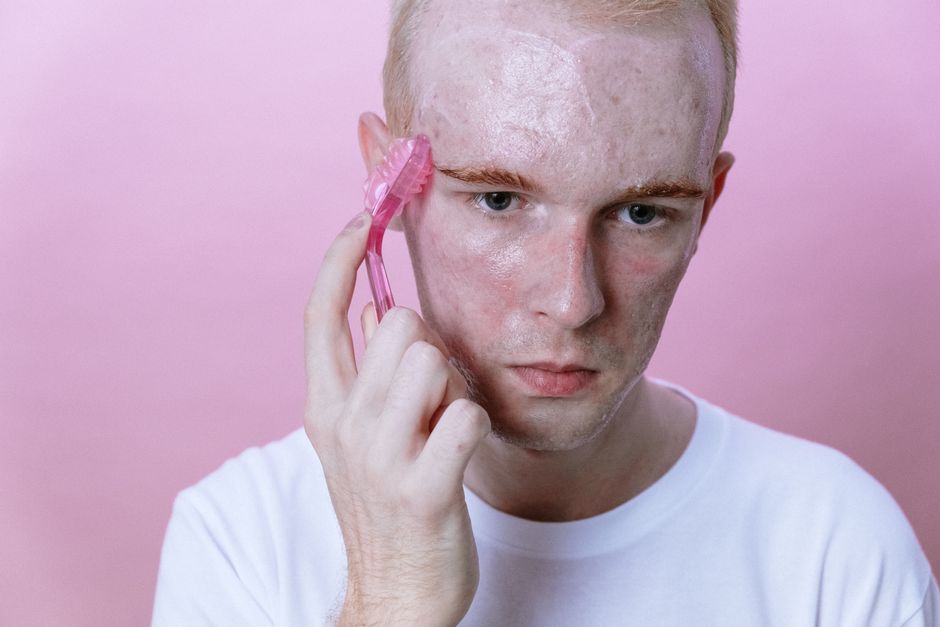
Sexually transmitted infections do not cause acne on the face. That is the short answer, and it is a solid one. Acne is a disorder of the hair follicles and oil glands, driven by hormones, dead skin cells, and bacteria that live on everyone’s skin. STDs are caused by completely different organisms, spread through sexual contact, and they produce different symptoms in different parts of the body. The two conditions are not connected.
That said, the question is worth taking seriously, because people ask it for real reasons. Some STDs do cause rashes or sores that can appear on the face. Others can trigger skin reactions that look nothing like typical acne but might get mistaken for it. And some people notice both problems around the same time and assume one caused the other. Understanding what each condition actually is makes the confusion easy to untangle.
What Actually Causes Acne?
Acne happens when hair follicles get blocked. Each follicle contains a sebaceous gland that produces oil, and that oil normally travels up the hair shaft to the skin surface. When dead skin cells shed abnormally and mix with excess oil, they form a plug. That plug traps Cutibacterium acnes, a bacterium that lives on human skin as part of its normal microbiome. The immune system responds, and you get the redness, swelling, and pus that define a pimple.
Four factors drive this process:
- Excess oil production, largely influenced by hormones
- Dead skin cells shedding faster than normal and clumping together
- Overgrowth of C. acnes inside blocked follicles
- Inflammation triggered by the immune response
Hormones matter enormously here. That is why acne peaks during puberty, why it often flares before menstruation, and why conditions that raise androgen levels — such as polycystic ovary syndrome — can worsen it. None of these mechanisms involve sexually transmitted organisms.
The face is simply one of the most common sites for acne because it has a high density of sebaceous glands. The back, chest, and shoulders are also common. Location reflects where oil glands are concentrated, not what someone was exposed to.
Can Any STD Cause Facial Rash or Sores?
Yes, some STDs can produce skin symptoms on the face, but they do not produce acne. The distinction matters because the treatments are completely different.
Herpes simplex virus can cause cold sores around the mouth and nose. These are not pimples. They are fluid-filled blisters that crust over and heal, often recurring in the same spot. Oral herpes is usually caused by HSV-1, which many people acquire in childhood through non-sexual contact. Genital herpes is typically HSV-2, though either type can appear in either location.
Syphilis is the STD most likely to cause a widespread rash. In its secondary stage, it can produce a rash on the trunk, palms, and soles — and sometimes on the face. These lesions are generally not pus-filled pimples. They are rough, reddish-brown spots or patches. Secondary syphilis can also cause mucous membrane lesions and patchy hair loss. This stage typically appears weeks to a few months after the initial sore heals.
Molluscum contagiosum causes small, firm, dome-shaped bumps with a dimple in the center. In adults, it is often sexually transmitted, though it can also spread through skin-to-skin contact in other ways. It can appear on the face, especially in children, but facial involvement in adults is less common.
None of these conditions is acne. None responds to acne treatments. And none is caused by the same process that causes acne.
Why Do People Confuse STD Rashes With Acne?
Several reasons explain the mix-up. Skin symptoms are visually confusing, especially to someone without medical training. A bump is a bump until you look closely. Redness and swelling look similar whether the cause is a blocked follicle or an infection.
Timing also plays a role. Someone might start a new relationship, notice skin changes, and connect the two events. But correlation is not causation. Acne flares for its own reasons — stress, hormonal shifts, new skincare products, certain medications — and those reasons often overlap with major life changes.
There is also the matter of where people look for answers. Searching “STD acne face” returns a mix of accurate information and alarmist claims. Some of those claims come from people selling products. Some come from forums where one person’s experience gets repeated as fact.
One more factor: acne itself can appear in places people associate with sexual activity. Acne on the buttocks, thighs, or groin is common and has nothing to do with STDs. It is the same follicular process happening in a different location.




What Skin Conditions Actually Look Like STDs But Are Not?
Several common skin problems get mistaken for STDs, and several STDs get mistaken for acne. Knowing the difference helps.
Folliculitis is inflammation of hair follicles, often from bacterial or fungal overgrowth. It produces small red bumps that can look like acne. It is not sexually transmitted. It can happen anywhere hair grows, including the face, and is often linked to shaving, sweating, or wearing tight clothing.
Perioral dermatitis is a facial rash of small red bumps around the mouth, nose, and sometimes eyes. It is not acne and not an STD. Its exact cause is not fully understood, though some evidence links it to topical steroid use on the face. It is more common in women aged 20 to 45.
Rosacea causes facial redness, visible blood vessels, and sometimes acne-like bumps. It is a chronic inflammatory condition, not an infection, and not sexually transmitted. It typically affects the central face and is more common in people with lighter skin.
Keratosis pilaris produces rough, small bumps on the upper arms, thighs, and sometimes the face. It is a buildup of keratin in hair follicles. It is genetic, harmless, and not related to any infection.
If you are trying to tell these apart, the pattern matters more than any single bump. Acne tends to involve blackheads and whiteheads. Folliculitis tends to be centered on hair follicles. Herpes lesions tend to be grouped blisters that crust. Syphilis rashes tend to be widespread and involve the palms and soles. A clinician can usually distinguish them on sight, and testing can confirm when needed.
When Should You Get Tested for an STD?
Get tested if you have had unprotected sex with a new partner, if you have symptoms that could be an STD, or if a partner has told you they have an infection. Testing is straightforward and widely available.
Symptoms that warrant testing include:
- Genital sores, bumps, or rashes
- Unusual discharge from the penis, vagina, or anus
- Pain or burning during urination
- Pelvic or testicular pain
- A new rash on the trunk, palms, or soles
- Swollen lymph nodes in the groin
Facial acne alone is not a reason to get tested for an STD. Facial sores or a rash that could be herpes or syphilis are. If you are unsure, ask a clinician. They can look at the skin and decide whether testing makes sense.
Routine screening recommendations vary by age, sex, and risk factors. The U.S. Preventive Services Task Force and the Centers for Disease Control and Prevention publish guidelines that clinicians follow. If you want to know what applies to you, that is a conversation to have with a healthcare provider rather than a decision to make from a search result.
Can An STD Cause Acne On The Face? The Bottom Line
No. Acne and STDs are separate conditions with separate causes. Acne comes from blocked hair follicles, excess oil, and the bacteria that normally live on skin. STDs come from specific pathogens transmitted through sexual contact.
Some STDs can cause facial skin symptoms. Herpes can cause cold sores. Syphilis can cause a widespread rash that sometimes includes the face. Molluscum can cause bumps. But none of these is acne, and none should be treated as acne.
If you have new facial bumps and you are worried, the useful question is not “is this an STD?” It is “what does this actually look like, and who can tell me?” A dermatologist or primary care clinician can usually answer that in a single visit. If there is any reason to suspect an STD based on other symptoms or exposure, testing is simple and worth doing.
What does not help is guessing from photos online or assuming the worst because two things happened around the same time. Skin has its own logic. So do infections. They rarely overlap in the way people fear.
Frequently Asked Questions
Can an STD cause acne on the face?
No. Acne is caused by blocked hair follicles, excess oil, and skin bacteria, not by sexually transmitted infections. Some STDs can cause facial rashes or sores, but those are not acne.
What STD causes a rash on the face?
Secondary syphilis is the STD most likely to cause a facial rash, though it more often affects the trunk, palms, and soles. Herpes can cause cold sores around the mouth, which are sometimes mistaken for pimples.
Can chlamydia or gonorrhea cause acne?
No. Neither chlamydia nor gonorrhea causes acne or facial rashes. These infections typically affect the genitals, urinary tract, and reproductive organs, and they often produce no visible skin symptoms at all.
How can I tell if a facial bump is acne or something else?
Acne usually involves blackheads or whiteheads and appears where oil glands are dense. Sores that are grouped blisters, firm bumps with a dimple, or a widespread rash are more likely something else and should be checked by a clinician.
