
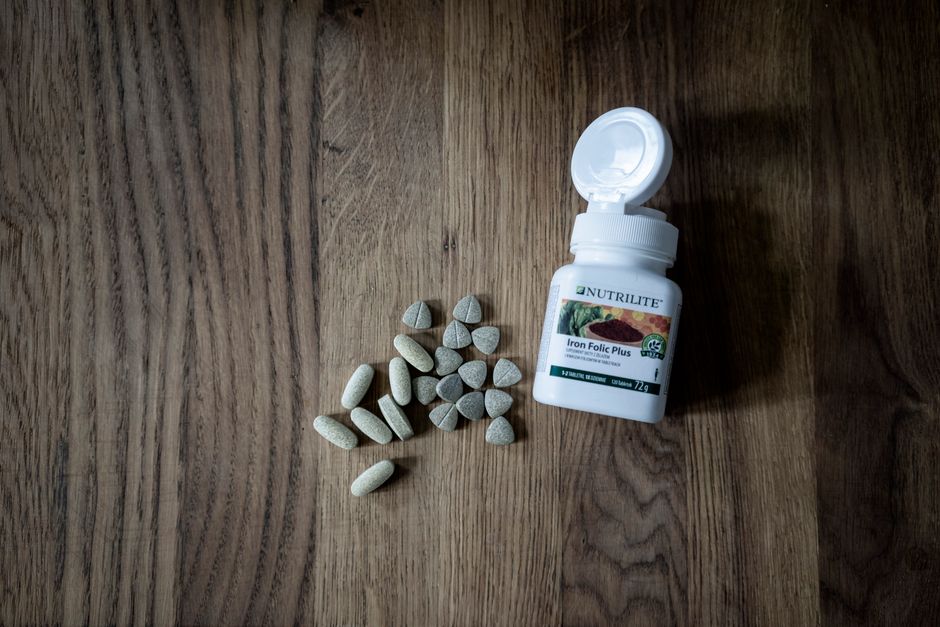
Iron deficiency is one of the most common nutritional problems worldwide, and unexplained bruises are one of the symptoms people most often connect to it. So can an iron deficiency cause bruising? Yes — it can. Iron is needed to make healthy red blood cells and to support normal clotting, and when iron runs low, some people bruise more easily than usual. But bruising has many possible causes, and iron deficiency is only one of them.
How Does Iron Deficiency Actually Lead to Bruising?
Iron is a building block for hemoglobin, the protein in red blood cells that carries oxygen. When iron is low, the body makes fewer healthy red blood cells, and the ones it does make can be smaller and paler than normal.
That matters for bruising in two main ways. First, fragile or poorly formed blood cells and weakened capillary walls are more likely to leak blood into surrounding tissue after minor pressure or knocks. Second, iron is involved in normal platelet function and the clotting process, so low iron can make it harder for small bleeds to stop quickly.
The result is a bruise — blood pooling under the skin after a small vessel breaks. When the vessels are weaker or clotting is slower, even everyday bumps can leave a mark that a person with normal iron levels might never notice.
What Does Iron Deficiency Bruising Look Like?
Bruises linked to low iron do not have a single signature look. They tend to appear in the same ways other easy-bruising does: dark patches on the arms, legs, or torso, often after minor injury or with no clear cause the person can remember.
What tends to stand out is the pattern rather than the appearance of any one bruise:
- Bruising more easily than you used to
- Bruises that appear without a remembered injury
- Bruises that are larger or last longer than expected
- Bruises along with fatigue, pale skin, or shortness of breath
Iron deficiency on its own usually causes mild, scattered bruising. Severe or widespread bruising — especially with bleeding gums, nosebleeds that are hard to stop, or blood in the stool or urine — points to something beyond iron and needs prompt medical attention.
What Other Symptoms Usually Come With It?
Bruising rarely shows up alone. Iron deficiency usually brings a cluster of symptoms, and recognizing the group is more useful than focusing on bruises by themselves.
Common signs include ongoing tiredness, pale skin, shortness of breath with activity, cold hands and feet, brittle nails, and unusual cravings for non-food items like ice or dirt. Some people get headaches, dizziness, or notice their hair thinning.
The bruising, when it happens, sits alongside these. If easy bruising is your only symptom and nothing else on this list fits, iron deficiency becomes a less likely explanation and other causes deserve a look.





What Else Causes Easy Bruising?
Iron deficiency is far from the only reason people bruise easily. In fact, several other causes are more common, and some are more serious.
Age is a major factor. Skin thins and loses some of its protective cushioning over time, and the small blood vessels underneath become more fragile. Many people bruise more in their 50s and beyond for this reason alone.
Medications are another frequent cause. Blood thinners, aspirin, and some anti-inflammatory drugs reduce clotting and make bruises more likely. Long-term steroid use can thin the skin and weaken vessel walls.
Other possibilities include low platelet counts, vitamin C or vitamin K deficiency, liver disease, and inherited bleeding disorders such as von Willebrand disease. In rare cases, easy bruising can be an early sign of a blood or bone marrow problem.
This is why bruising should not be assumed to be an iron problem. A doctor can tell the difference with simple blood tests.
How Is Iron Deficiency Diagnosed?
Iron deficiency is confirmed with blood tests, not by symptoms alone. Bruising might prompt the testing, but it does not diagnose anything by itself.
The most useful starting test is a complete blood count, which measures hemoglobin and the size of red blood cells. In iron deficiency, hemoglobin is often low and red blood cells may be smaller than normal. A ferritin test measures stored iron and is generally the most sensitive single indicator of iron deficiency, though it can be raised by inflammation and give a falsely normal result.
Doctors may also check transferrin saturation and other markers to build a full picture. The key point: only a blood test can confirm low iron, and only a doctor can interpret it in context.
Should You Take Iron Supplements for Bruising?
No — not without a confirmed diagnosis. Taking iron when you do not need it is not harmless. Excess iron can build up in the body and, in some people, cause harm to the liver and other organs.
Iron supplements are also not a quick fix. Even when iron deficiency is confirmed, it typically takes weeks to months of treatment before stores are replenished and symptoms improve. The timeline depends on the severity of the deficiency and the underlying cause.
If testing confirms low iron, a doctor will usually recommend an oral supplement and may also look for why the iron is low in the first place — heavy menstrual bleeding, poor absorption, or low dietary intake are common reasons. Correcting the cause matters as much as replacing the iron.
There is no evidence that iron supplements reduce bruising in people who are not deficient. If your iron levels are normal, more iron will not help.
When Should You See a Doctor About Bruising?
See a doctor if you bruise easily and often, if bruises appear without any injury you can recall, or if bruising comes with fatigue, pale skin, or shortness of breath. Those combinations are worth a proper evaluation.
Seek care promptly if you have large or spreading bruises, bruises along with bleeding gums or frequent nosebleeds, blood in your stool or urine, or bruising after starting a new medication. These signs suggest a bleeding or clotting problem that needs timely attention rather than a wait-and-see approach.
Most easy bruising has a manageable explanation, and iron deficiency is one of them. The only way to know which one applies to you is to get tested rather than guess.
Can Diet Alone Fix Iron Deficiency Bruising?
Diet can help prevent iron deficiency and support recovery, but it is usually not enough on its own to correct an established deficiency quickly. Food provides iron in two forms: heme iron from meat, poultry, and fish, which the body absorbs more easily, and non-heme iron from plants, beans, and fortified grains, which is absorbed less efficiently.
Vitamin C boosts absorption of plant-based iron, so pairing foods like beans or spinach with citrus, peppers, or tomatoes can help. Coffee, tea, and calcium can reduce absorption when eaten at the same time as iron-rich foods.
For someone with a confirmed deficiency, food alone often cannot replace the iron fast enough, which is why clinicians typically recommend a supplement alongside dietary changes. Diet is a supporting player, not the main treatment, once a deficiency is established.
Frequently Asked Questions
Can low iron cause bruising?
Yes, low iron can make some people bruise more easily because iron supports healthy red blood cells and normal clotting. However, bruising has many other causes, so iron deficiency should be confirmed with blood tests before it is assumed to be the reason.
What does iron deficiency bruising look like?
It usually looks like ordinary bruising — dark patches on the arms, legs, or torso — often after minor or unnoticed injuries. There is no unique appearance that identifies iron deficiency as the cause.
Can I just take iron pills to stop bruising?
No, you should not take iron without a confirmed deficiency, because excess iron can be harmful. If testing shows low iron, a doctor can recommend the right supplement and dose.
When should bruising worry me?
See a doctor if you bruise often without a clear cause, or if bruising comes with bleeding gums, frequent nosebleeds, or blood in your stool or urine. These signs may point to a clotting problem that needs prompt care.
