
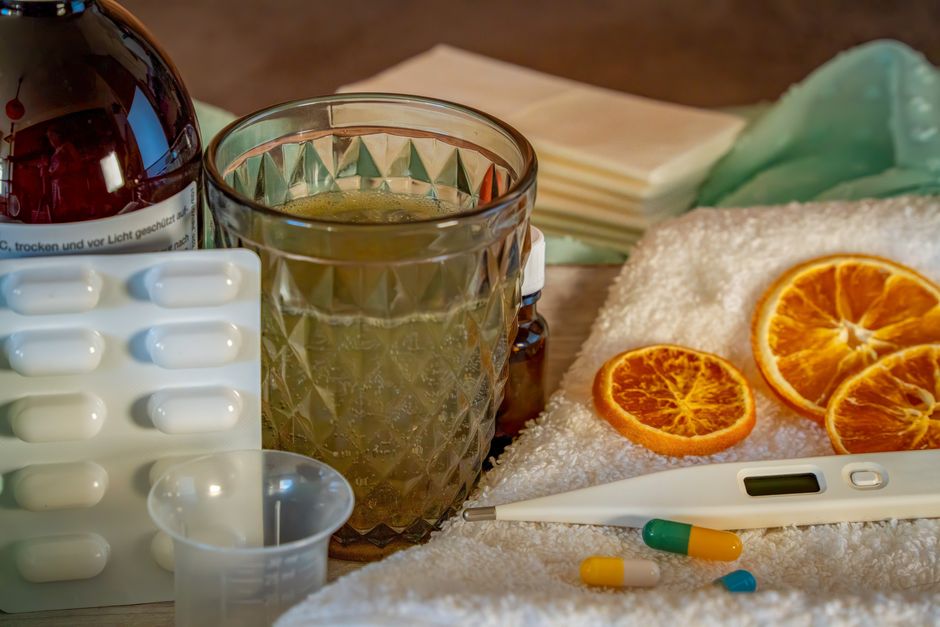
No, alcohol does not help a sore throat. It can briefly numb the area, which some people mistake for relief, but that effect fades fast and the alcohol then irritates already inflamed tissue and pulls moisture out of the throat. If you have a sore throat, alcohol is more likely to make it feel worse than better.
The idea that a drink can soothe a raw throat is common. It usually comes from the numbing sensation of a strong spirit, or from the old image of a hot toddy. Understanding why that sensation is misleading can save you a night of extra discomfort.
Can Alcohol Help a Sore Throat in Any Way?
Alcohol does not treat a sore throat. It has no antibacterial effect against the viruses that cause most sore throats, and it does not reduce the inflammation driving the pain.
What it does do is act as a mild local anesthetic. When a strong drink touches the back of your throat, it can dull nerve endings for a short time. That numb feeling is the same basic mechanism behind why alcohol stings a cut. It is temporary and it comes with a cost.
Alcohol is a diuretic, meaning it increases urine output. It also dries out mucous membranes directly. A sore throat is often already irritated and dry, so adding alcohol tends to remove the thin layer of moisture that helps the tissue feel less raw. Many people notice their throat feels scratchier an hour after a drink, not better.
There is also a safety issue. Alcohol can interact with several over-the-counter and prescription medications, including acetaminophen and some pain relievers. Combining them can raise the risk of liver injury. If you are taking anything for your throat, that is another reason to skip the drink.
Why Does a Drink Feel Like It Soothes Your Throat?
The numbing is real, but it is not healing. Alcohol temporarily dampens the nerve signals that carry pain, which is why a sip of whiskey can feel like it calms a scratchy throat for a few minutes.
The warmth of a hot toddy adds a second layer of comfort. Heat relaxes muscles and increases blood flow near the surface, which can feel pleasant. But the pleasant feeling is separate from what is happening in the tissue underneath.
Once the numbing wears off, the underlying irritation is still there. In many cases it is worse, because the alcohol has dried the tissue and possibly triggered more inflammation. The relief was a short pause, not a fix.
This is a good example of how a physical sensation can be mistaken for a benefit. Feeling less pain for ten minutes is not the same as helping the throat recover. The two can point in opposite directions.
What Actually Helps a Sore Throat?
The most reliable measures are simple and well supported. They focus on keeping the throat moist and reducing irritation rather than numbing it.
- Warm fluids like tea, broth, or warm water with honey can soothe irritated tissue. Honey has some evidence behind it for calming cough and throat irritation in adults and children over age one.
- Saltwater gargling can temporarily ease pain and reduce swelling. A common mix is about half a teaspoon of salt in a glass of warm water.
- Cold fluids or ice chips can numb and reduce swelling, which some people find more helpful than warmth.
- Humidified air, from a cool-mist humidifier or a steamy bathroom, keeps the throat from drying out.
- Rest, fluids, and time do most of the actual work for viral sore throats.
- Over-the-counter pain relievers such as acetaminophen or ibuprofen can reduce pain and fever when used as directed.
Honey is not safe for infants under one year because of the risk of infant botulism. For that age group, no honey and no alcohol of any kind. Sore throats in infants and young children should be evaluated by a clinician.





When Is a Sore Throat a Sign of Something More Serious?
Most sore throats come from viral infections and improve on their own within about a week. A smaller number point to something that needs medical attention.
Seek care if you have trouble swallowing your own saliva, difficulty breathing, a muffled or “hot potato” voice, drooling, or a neck that is swollen and hard to move. These can signal a deep neck infection or an abscess, which is a medical emergency.
Other reasons to see a clinician include a sore throat lasting more than a week, a high fever, a rash, swollen tonsils with white patches, or a sore throat that keeps coming back. Strep throat is a bacterial infection that needs antibiotics, and it is more common in children than adults, though adults can get it too.
You cannot reliably tell a viral sore throat from a bacterial one just by how it feels. That distinction usually requires a rapid test or a throat culture. This is one place where guessing is not helpful.
Does Alcohol Weaken Your Ability to Fight a Sore Throat?
Heavy drinking is linked to poorer immune function, which can make it harder to fight off infections. The relationship between moderate drinking and immune health is less clear, and the evidence is mixed.
What is clearer is that alcohol dehydrates you. When you are sick, staying hydrated matters for how you feel and for how your body handles the infection. Drinking alcohol works against that goal.
Alcohol also disrupts sleep. Sleep is when much of the body’s immune activity and tissue repair happens, so a night of poor sleep after drinking can leave you feeling worse the next day. None of this helps a throat that is already inflamed.
There is no established amount of alcohol that is safe or helpful during an active sore throat. The simplest honest guidance is that it offers no benefit and carries real downsides.
The Bottom Line on Alcohol and Sore Throats
Alcohol numbs a sore throat for a few minutes and then tends to make it drier and more irritated. That is the opposite of what a raw throat needs.
If you want relief, warm fluids, honey for adults and children over one, saltwater gargles, humidified air, and rest are the measures with the most support. Pain relievers can help when used as directed. If your symptoms are severe, lasting, or come with warning signs like trouble breathing or swallowing, get medical care rather than trying to treat it at home.
A hot toddy may feel comforting, and comfort has value. But it is worth being clear that the comfort comes from the warmth and the ritual, not from the alcohol helping your throat heal. If you are sick enough to want relief, reach for something that actually supports recovery.
Frequently Asked Questions
Does whiskey help a sore throat?
No. Whiskey may numb the throat briefly, but it dries the tissue and can make irritation worse once the numbing fades. It does not treat the cause of a sore throat.
Can I drink alcohol while taking medicine for a sore throat?
It depends on the medicine, and some combinations are risky. Alcohol can interact with acetaminophen and several other drugs, so check with a pharmacist or clinician before mixing them.
What is the fastest way to soothe a sore throat?
Warm fluids, honey for those over age one, saltwater gargles, and humidified air are among the most reliable options. Over-the-counter pain relievers can also reduce pain when used as directed.
When should I see a doctor for a sore throat?
See a clinician if you have trouble breathing or swallowing, drooling, a muffled voice, or a sore throat lasting more than a week. These can signal a more serious problem.
