
Neuropathy pain is real, and it is stubborn. If you have burning, tingling, or stabbing sensations in your feet or hands, you have probably tried several things that did not work well enough. Acupuncture is one option people ask about, and the honest answer is this: the evidence is mixed, but some decent studies suggest it can reduce nerve pain for some people. It is not a cure, and it does not repair damaged nerves. But for symptom relief, it may be worth discussing with your doctor.
That answer has more nuance than most sources give you. Some websites call acupuncture a proven treatment. Others call it a placebo. Neither is accurate. What follows is a clear look at what researchers have actually found, what acupuncture can and cannot do for neuropathy, and how to think about it if you are considering trying it.
What Does Acupuncture Actually Do to the Body?
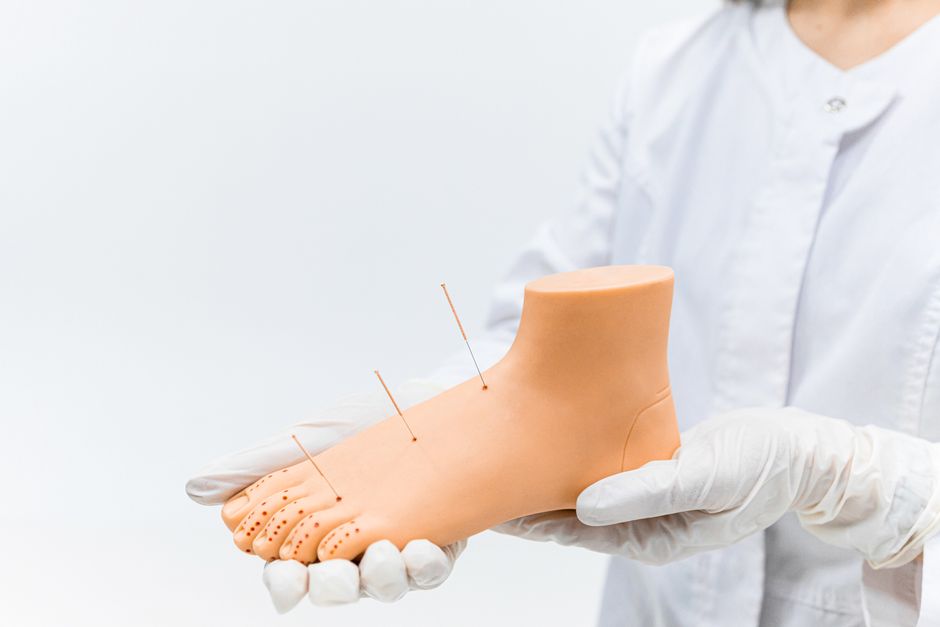
Acupuncture involves inserting thin needles through the skin at specific points. Modern research has moved past the idea that it works only through imaginary energy channels. Imaging studies show that needle stimulation affects parts of the nervous system that process pain.
When a needle is inserted, it stimulates small nerve fibers in muscle and skin. These signals travel to the spinal cord and brain. Some research suggests this triggers the release of the body’s own pain-relieving chemicals, including endorphins. Brain imaging studies have shown changes in pain-processing regions during acupuncture. These are real physiological effects, not just belief.
What acupuncture does not do is repair damaged nerves. In neuropathy, the underlying problem is often injury to the peripheral nerves themselves — from diabetes, chemotherapy, or other causes. Acupuncture does not regenerate those fibers. Any benefit is about how the nervous system processes and perceives pain, not about healing the nerve.
That distinction matters. It means acupuncture, if it helps, is a symptom-management tool. It sits alongside medication and other approaches, not in place of treating the underlying cause.
Does the Research Support Acupuncture for Neuropathy?
The research is genuinely mixed, and the quality varies a lot between studies. This is the part where honesty matters most.
For diabetic peripheral neuropathy, several small trials have reported reductions in pain scores with acupuncture compared to usual care or sham (fake) acupuncture. Some of these findings are encouraging. But many of the studies were small, short, and conducted in ways that make it hard to rule out placebo effects. Reviews of this literature have generally concluded that the evidence is promising but not strong enough to call acupuncture an established treatment.
For chemotherapy-induced peripheral neuropathy, the picture is less clear. Some studies suggest possible benefit. Others have found no meaningful difference from sham treatment. A few trials have even raised questions about whether certain acupuncture approaches could interact with chemotherapy, though this remains an area of active study rather than settled fact. If you are receiving chemotherapy, this is a conversation to have with your oncology team, not a decision to make alone.
One clarification worth knowing: sham acupuncture is not a perfect placebo. Inserting needles at “wrong” points still stimulates nerves. This makes it harder for researchers to separate true acupuncture effects from nonspecific effects. It also means some “negative” trials may not tell the whole story.
The bottom line: some studies suggest acupuncture can reduce neuropathic pain for some people. No large, high-quality trial has confirmed it works reliably across the board. That is the honest state of the evidence.
Can Acupuncture Help With Neuropathy Pain Specifically?
Pain relief is the outcome most studied, and it is where acupuncture has its best case. Several trials have measured pain intensity before and after a course of treatment, and some found meaningful reductions.
What “meaningful” means is worth unpacking. In pain research, a reduction of roughly 2 points on a 0-10 scale, or about 30 percent, is often considered clinically meaningful to patients. Some acupuncture trials have reported improvements in that range. Others have reported smaller effects. Results vary by study, by cause of neuropathy, and by how treatment was delivered.
Acupuncture will not typically eliminate neuropathy pain entirely. People who benefit usually describe it as part of a broader plan — along with medication, blood sugar control if diabetes is the cause, physical therapy, and other measures. It is reasonable to think of it as one tool, not the tool.
There is also a practical point about expectations. A course of acupuncture usually involves multiple sessions over several weeks. Some people notice change within a few sessions. Others notice nothing. If there is no benefit after a fair trial, continuing indefinitely is unlikely to help.





What Are the Risks and Side Effects?
Acupuncture is generally considered low-risk when performed by a trained, licensed practitioner using sterile, single-use needles. That is the well-established position, and it holds for most people.
Common side effects are minor and short-lived:
- Small bruises or bleeding at needle sites
- Soreness where needles were placed
- Brief dizziness or lightheadedness during treatment
- Minor pain during insertion
Serious complications are rare but real. They include infection when sterile technique is not followed, and injury to underlying structures from poorly placed needles. People with bleeding disorders or those taking blood thinners should talk to their doctor first. So should anyone with a implanted medical device such as a pacemaker, since some forms of electrical stimulation used alongside acupuncture may not be appropriate.
The skill and hygiene of the practitioner matter more than almost anything else. A licensed acupuncturist using single-use needles in a clean setting is a very different risk profile from an untrained provider.
Is Acupuncture Worth Trying for Nerve Pain?
For some people with neuropathy, a carefully chosen trial of acupuncture is a reasonable thing to discuss with their doctor. It is not unreasonable to try, and it is not a guaranteed fix. Both things are true at once.
It may be a better fit if you have not found enough relief from standard treatments, if you want to reduce reliance on pain medication, or if you are looking for something to add alongside your current plan. It may be a poorer fit if your neuropathy has a treatable underlying cause that needs attention first, or if cost and access make a multi-session course difficult.
Insurance coverage for acupuncture varies widely in the US. Some plans cover it for certain conditions; many do not. It is worth checking before you commit to a course of treatment.
One thing acupuncture should never replace: treating the cause. If diabetes is driving your neuropathy, blood sugar control is the intervention with the strongest evidence for slowing progression. Acupuncture does not substitute for that. No complementary therapy does.
How Should You Choose a Practitioner?
Choose someone licensed and experienced, and be direct about your health history. In the US, licensure requirements vary by state, so check what your state requires and confirm the practitioner meets it.
Tell them about all your medications, especially blood thinners, and about any implanted devices. Tell them your neuropathy diagnosis and its cause if you know it. Ask about needle sterility and whether needles are single-use. These are fair questions, and a good practitioner will welcome them.
Also tell your neurologist or primary care doctor that you are trying acupuncture. This keeps your care coordinated and helps everyone track what is and is not working.
What Else Helps Neuropathy Pain?
Acupuncture is one option among several with varying levels of evidence. It helps to know where it sits.
For diabetic neuropathy, tight blood sugar control has the strongest evidence for slowing nerve damage. Several medications are established for neuropathic pain, including certain antidepressants, anticonvulsants, and topical treatments; these are prescribed based on your specific situation. Physical therapy, exercise, and foot care all play a role. Some people find relief from transcutaneous electrical nerve stimulation (TENS), though evidence for it is mixed.
No single approach works for everyone. Neuropathy pain often needs a combination of strategies, adjusted over time. Acupuncture can be part of that combination for some people. It is not a replacement for the approaches with stronger evidence behind them.
Frequently Asked Questions
Can acupuncture cure neuropathy?
No. Acupuncture does not repair damaged nerves or reverse neuropathy. Some studies suggest it may reduce pain symptoms for some people, but it is a symptom-management option, not a cure.
How many acupuncture sessions does it take for neuropathy?
There is no established standard, and courses vary by practitioner and condition. Many treatment plans involve multiple sessions over several weeks, and if you notice no benefit after a fair trial, continuing is unlikely to help.
Is acupuncture safe for diabetic neuropathy?
It is generally considered low-risk when performed by a licensed practitioner with sterile, single-use needles. People with diabetes should take extra care with foot hygiene and tell their practitioner about any foot wounds or reduced sensation.
Does insurance cover acupuncture for neuropathy?
Coverage varies widely by plan and state in the US, and many plans do not cover acupuncture for neuropathy. Check with your insurer before starting a course of treatment.
