
Tinnitus is the perception of sound when no external sound is present. Millions of people hear ringing, buzzing, hissing, or clicking that no one else can hear. For some, it is a minor annoyance. For others, it disrupts sleep, concentration, and quality of life. Many people seek relief beyond conventional treatments, and acupuncture is one of the options they turn to. The evidence on whether acupuncture helps tinnitus is mixed, but some research suggests it may offer modest benefits for certain people, while other studies show little to no effect over placebo. The honest answer is that acupuncture is not a proven cure, but it may be worth discussing with your doctor as part of a broader management plan.
What Is Tinnitus and Why Does It Happen?
Tinnitus is a symptom, not a disease itself. It signals that something is wrong in the auditory system. That system includes the ears, the auditory nerve, and the parts of the brain that process sound. The most common cause is damage to the tiny hair cells in the inner ear. These cells send electrical signals to the brain. When they are damaged, they can send random signals that the brain interprets as sound.
Age-related hearing loss, noise exposure, earwax blockage, and certain medications can trigger tinnitus. Conditions like high blood pressure, temporomandibular joint (TMJ) disorders, and head or neck injuries are also linked to it. In many cases, the exact cause remains unclear. That uncertainty makes treatment difficult. If a doctor cannot identify a reversible cause, the focus shifts to managing the symptom rather than curing it.
How Acupuncture Is Thought to Work for Tinnitus
Traditional Chinese medicine describes tinnitus as an imbalance of energy, or qi, flowing through the body. Acupuncture aims to restore that balance by inserting thin needles into specific points. From a Western medical perspective, the proposed mechanisms are different. Some researchers believe acupuncture may influence the nervous system, potentially altering how the brain processes sound signals.
Acupuncture is thought to stimulate the release of endorphins and other neurotransmitters. It may also affect blood flow to the inner ear. Some studies suggest it could reduce inflammation or modulate activity in the brain regions involved in auditory perception. These are plausible biological pathways, but plausible is not the same as proven. The fact that acupuncture can produce physiological effects does not automatically mean those effects translate into meaningful relief from tinnitus.
One important consideration is the placebo effect. Tinnitus is highly subjective, and its severity fluctuates. People who expect a treatment to work often report improvement even when the treatment itself has no specific effect. Acupuncture involves needles, a practitioner, and a ritual that can be calming. That entire experience may reduce stress, and stress reduction alone can make tinnitus feel less bothersome.
What the Research Says About Acupuncture and Tinnitus
Research on acupuncture for tinnitus has produced inconsistent results. Some clinical trials report that a portion of participants experience reduced tinnitus loudness or improved quality of life after acupuncture sessions. Other well-designed studies have found no significant difference between real acupuncture and sham acupuncture, where needles are placed at non-acupuncture points or do not penetrate the skin.
Several systematic reviews have attempted to combine the results of multiple studies. Some reviews conclude that the evidence is insufficient to recommend acupuncture as a standard treatment for tinnitus. Others suggest there may be a small benefit, particularly for tinnitus associated with certain underlying conditions. The quality of the studies varies, and many have small sample sizes or lack proper control groups. That makes it hard to draw firm conclusions.
What the research does not show is a consistent, large, or lasting effect. No high-quality study has demonstrated that acupuncture cures tinnitus or eliminates it entirely. The most accurate summary is that some patients report benefit, but the scientific evidence does not reliably separate the effect of acupuncture from the effect of belief and expectation.





What to Expect During an Acupuncture Session
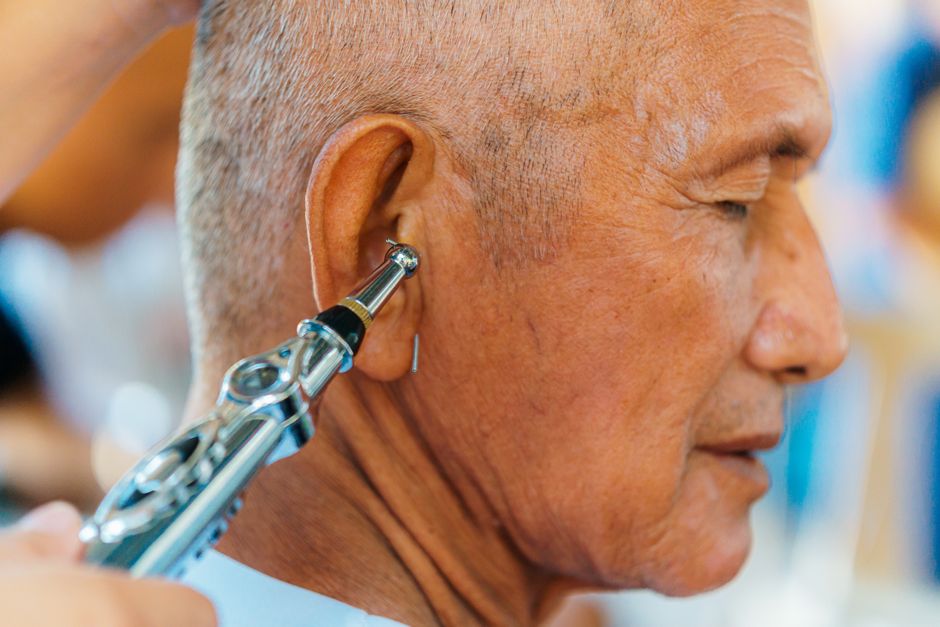
If you decide to try acupuncture, it helps to know what the experience involves. A licensed acupuncturist will begin by asking about your medical history and your tinnitus symptoms. They will examine your tongue and pulse, which are traditional diagnostic tools in Chinese medicine. Then they will insert very thin needles into specific points on your body. For tinnitus, points on the ear, head, hands, and legs are commonly used.
The needles are much thinner than the needles used for injections or blood draws. Most people feel little or no pain when the needles are inserted. You may feel a dull ache or a slight tingling sensation at some points. The needles typically remain in place for 20 to 30 minutes while you lie still and relax. Many people find the experience calming.
Treatment is not a one-time event. Acupuncturists usually recommend a series of sessions, often weekly, over several weeks. Some people notice changes after a few sessions, while others do not. There is no standard protocol for how many sessions are needed for tinnitus because the evidence base is too thin to define one. Costs vary widely, and insurance coverage is inconsistent. Check with your provider before committing to a treatment plan.
Risks and Side Effects of Acupuncture
Acupuncture is generally safe when performed by a qualified, licensed practitioner using sterile, single-use needles. Serious complications are rare. The most common side effects are minor and include soreness, bruising, or slight bleeding at the needle sites. Some people feel dizzy or lightheaded during or after a session. In rare cases, needles can cause organ injury or infection, but these events are unusual when proper technique is followed.
Certain people should be cautious. If you take blood thinners or have a bleeding disorder, discuss this with your practitioner and your doctor before starting. If you are pregnant, some acupuncture points are traditionally avoided because they are thought to stimulate labor. Tell your acupuncturist if you are pregnant or might be. If you have a pacemaker or other implanted device, inform the practitioner, though acupuncture is generally considered safe in this situation.
Acupuncture should not replace a medical evaluation. If you have tinnitus, especially if it is sudden, one-sided, or accompanied by dizziness or hearing loss, see a doctor first. These symptoms can indicate a more serious condition that requires proper diagnosis. Acupuncture is not a substitute for medical care, and no acupuncturist should tell you otherwise.
Other Treatments Worth Discussing With Your Doctor
Acupuncture is not the only option for managing tinnitus. Several approaches have stronger evidence behind them. Cognitive behavioral therapy, or CBT, helps people change their emotional response to tinnitus. It does not make the sound quieter, but it can reduce the distress it causes. Many people find this more helpful than any device or procedure.
Sound therapy uses external noise to mask or partially cover the tinnitus sound. White noise machines, fans, or specialized hearing aids can make the tinnitus less noticeable. Hearing aids themselves are often beneficial for people who have both hearing loss and tinnitus. By improving hearing, they can reduce the brain’s focus on the phantom sound.
Some medications are used off-label for tinnitus, but none are specifically approved for it. Antidepressants and anti-anxiety drugs may help if stress or mood issues are making the tinnitus worse. No medication has been shown to reliably eliminate tinnitus. Be wary of any product that promises a cure. The FDA has warned about unapproved devices and supplements marketed for tinnitus that have no proven benefit.
How to Decide if Acupuncture Is Right for You
Deciding whether to try acupuncture is a personal choice. The evidence does not strongly support it, but it does not rule out the possibility of benefit either. Some people find it relaxing and report that their tinnitus bothers them less after treatment. Even if the effect is partly placebo, relief is relief. The key is to approach it with realistic expectations.
Do not abandon conventional medical care in favor of acupuncture. Use it as a complement, not a replacement. If you choose to try it, look for a licensed practitioner with experience treating tinnitus. Ask about their training and success rates. Be honest about what you are hoping to achieve. If you do not notice any improvement after several sessions, it may not be worth continuing.
Track your symptoms before and during treatment. Keep a simple journal noting how loud your tinnitus feels, how often it bothers you, and how well you sleep. This can help you and your practitioner determine whether the treatment is making a real difference. Without tracking, it is easy to misremember how you felt weeks ago.
The Bottom Line on Acupuncture for Tinnitus
Acupuncture for tinnitus has a long history and a plausible theory behind it, but the scientific evidence is not strong enough to recommend it as a proven treatment. Some people report benefit, and the treatment is generally low-risk when performed by a qualified professional. The most honest position is that acupuncture may help some individuals, but it is not a cure, and its effects may be due in part to expectation and relaxation.
If you are considering acupuncture, talk to your doctor first. Make sure you have had a proper evaluation to rule out serious causes of your tinnitus. Then, if you decide to try it, go in with open eyes and realistic expectations. Combine it with evidence-based approaches like sound therapy or cognitive behavioral therapy. And remember that for many people, tinnitus becomes less bothersome over time, even without any specific treatment.
Frequently Asked Questions
Can acupuncture permanently cure tinnitus?
No clinical evidence shows that acupuncture permanently cures tinnitus. Some people report temporary improvement, but the condition often returns, and no study has demonstrated lasting elimination of symptoms.
How many acupuncture sessions are needed for tinnitus?
There is no established standard number of sessions because the evidence is insufficient to define one. Practitioners commonly recommend a series of weekly sessions over several weeks, but results vary widely from person to person.
Is acupuncture for tinnitus covered by insurance?
Coverage varies by insurance plan and location. Some plans cover acupuncture for certain conditions, but many do not cover it specifically for tinnitus. Contact your insurance provider to confirm your benefits before starting treatment.
Can acupuncture make tinnitus worse?
Acupuncture does not commonly worsen tinnitus, but it can cause temporary dizziness or lightheadedness that might make symptoms feel more noticeable. If your symptoms worsen during or after treatment, stop and discuss it with your practitioner and doctor.
