
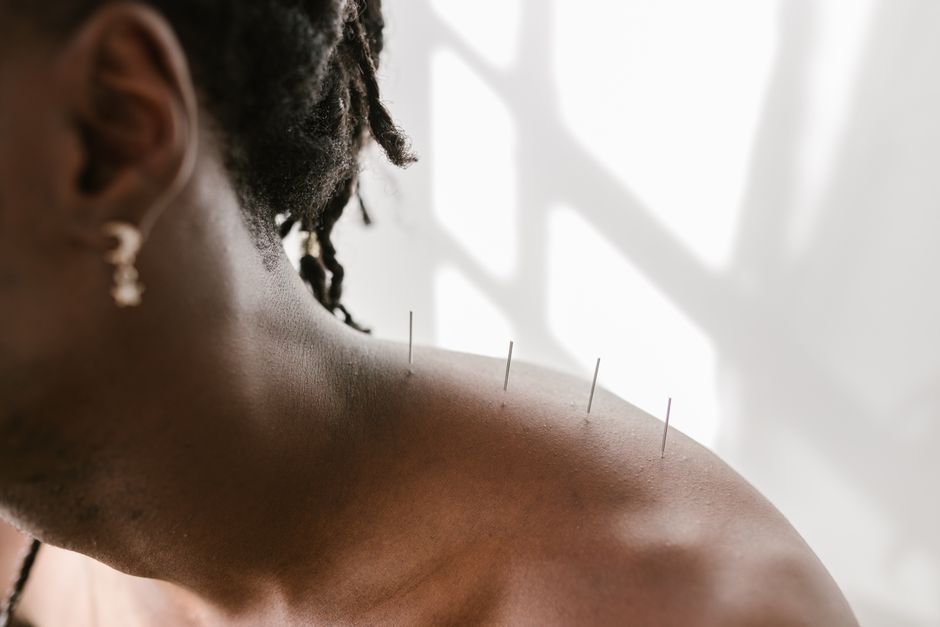
Acupuncture is widely used for nerve pain, and the research is more mixed than most clinic websites suggest. Some studies show meaningful relief, especially for diabetic peripheral neuropathy. Others show results close to placebo. The most honest summary: acupuncture may reduce neuropathy pain for some people, but the evidence is not strong enough to call it a proven treatment, and it does not repair damaged nerves.
What Is Neuropathy and Why Is It Hard to Treat?
Neuropathy means damage or dysfunction in the peripheral nerves — the network that carries signals between your brain, spinal cord, and the rest of your body. When those nerves are injured, they can misfire, sending pain, burning, tingling, or numbness back to the brain even when nothing is touching you.
This is the key point that explains why neuropathy is so stubborn. The problem is not in your foot or hand. It is in the nerve itself, and often in the nerve fibers that have been damaged or lost. Painkillers that work on ordinary tissue pain do not reliably work here because they are aimed at the wrong target.
Common causes include diabetes, certain chemotherapy drugs, alcohol use, vitamin deficiencies, kidney disease, and some infections. In many cases no clear cause is found, which clinicians call idiopathic neuropathy. The underlying cause matters enormously for treatment, because the single most effective step is usually addressing whatever is driving the nerve damage.
Standard treatment falls into two groups. First, manage the cause — control blood sugar in diabetes, stop the offending drug or alcohol, correct a deficiency. Second, ease the symptoms with medications such as certain antidepressants, anti-seizure drugs, or topical agents. These reduce pain but do not reverse nerve damage. That gap — relief without repair — is where people start looking for alternatives like acupuncture.
How Might Acupuncture Affect Nerve Pain?
Acupuncture involves inserting thin needles through the skin at specific points. The best-supported explanation for its effect on pain is not mystical. It appears to involve the body’s own pain-modulating systems.
Needling stimulates small nerve fibers and local tissue. This triggers the release of endorphins and other signaling molecules, and it may activate descending pathways from the brain that dampen pain signals. Brain imaging studies have shown that acupuncture can change activity in regions involved in processing pain. That is real physiology, and it is why acupuncture can produce genuine relief rather than pure imagination.
Here is the honest limit. This mechanism explains short-term pain relief. It does not explain or demonstrate repair of damaged nerves. No good evidence shows acupuncture regrows nerve fibers or reverses the underlying neuropathy. So the fair question is not “does acupuncture cure neuropathy” — it does not — but “can it meaningfully reduce the pain and tingling for some people,” and there the answer is a qualified maybe.
What Does the Research Actually Show?
The evidence is mixed, and it varies by the type of neuropathy being studied. This is not a case where all the studies agree.
For diabetic peripheral neuropathy, the picture is the most encouraging. Several trials and reviews have reported that acupuncture reduced pain compared with no treatment or routine care. Some of these studies were small, and a recurring problem is that sham acupuncture — needles placed at non-traditional points or not fully inserted — often produces similar results. When the fake treatment works nearly as well as the real one, it becomes hard to separate the specific effect of needling from expectation, attention, and the general comfort of a treatment session.
For chemotherapy-induced peripheral neuropathy, the evidence is weaker. Some small studies suggest benefit, but results vary and larger, better-controlled trials have not consistently confirmed a clear effect. This is an area where patients often ask, and where honest clinicians will say the data are not yet strong.
Across the board, the recurring finding is that acupuncture tends to perform better than doing nothing and roughly comparably to sham in many trials. That pattern is common in pain research generally, not unique to acupuncture. It means we cannot confidently claim a large, specific, needle-point-dependent effect. It does not mean people feel nothing — placebo and expectation are real experiences, not lies — but it does mean the evidence does not support strong claims.
What the research does not show: that acupuncture reverses nerve damage, restores lost sensation, or works better than standard medication. No large, well-designed trial has established that.
Is Acupuncture Safe for Neuropathy?
For most people, acupuncture is low-risk when performed by a trained practitioner using sterile, single-use needles. The most common side effects are minor: small bruises, slight bleeding, or soreness at the needle sites.
There are real cautions, though, and they matter more for people with neuropathy than for the general public.
- Loss of sensation. Many people with neuropathy have reduced feeling in their feet or hands. If you cannot feel a needle properly, you may not notice a problem developing. Tell your practitioner about any numb areas so they can adjust.
- Infection risk. Diabetes, a leading cause of neuropathy, slows wound healing and raises infection risk. Sterile technique and careful aftercare matter more here.
- Bleeding risk. If you take blood thinners or have a bleeding disorder, needling carries extra risk. This is a conversation to have with your doctor first.
- Poorly regulated practitioners. Needles that are not sterile, or treatment from someone without proper training, changes the risk profile entirely.
Acupuncture is not appropriate as a replacement for treating the cause of neuropathy. If high blood sugar is damaging your nerves, no amount of needling substitutes for managing it.
Should You Try It, and What Should You Expect?
This is a personal decision, and the honest framing is that acupuncture is a reasonable thing to try for symptom relief — not a treatment to rely on. Some people with neuropathy report real reduction in pain and tingling. Others notice nothing. The evidence does not let us predict in advance who will respond.
If you decide to try it, a few practical points help.
- Talk to your doctor first, especially about medication interactions, bleeding risk, and whether your neuropathy cause is being properly addressed.
- Choose a licensed practitioner and confirm they use sterile, single-use needles.
- Treat it as a trial with a clear endpoint. Many people notice within a handful of sessions whether it is helping them personally. If it is not, there is little reason to continue indefinitely.
- Keep it alongside, not instead of, standard care.
One clarification worth making: “it works no better than placebo in trials” and “it helped me” are not contradictory. A treatment can produce genuine relief through expectation, relaxation, and the body’s pain systems while still failing to beat a convincing fake in a study. Both statements can be true. What you should be skeptical of is any claim that acupuncture repairs nerves or treats neuropathy itself.
What Are the Alternatives to Acupuncture for Neuropathy?
Because the evidence for acupuncture is mixed, it helps to know what else has stronger support. Managing the underlying cause is the foundation — blood sugar control for diabetic neuropathy, stopping alcohol, correcting deficiencies, and reviewing medications with your doctor.
For symptom relief, medications with more consistent trial evidence include certain antidepressants and anti-seizure drugs, plus topical treatments. These are standard clinical options, though they too reduce symptoms rather than reverse damage, and they carry their own side effects. Physical therapy, foot care, and avoiding further nerve injury also matter.
No single approach reliably eliminates neuropathic pain for everyone. That is the honest state of the field, and it is why combining strategies — treating the cause, using evidence-based medication where appropriate, and cautiously trying adjuncts like acupuncture — is common clinical practice.
Frequently Asked Questions
Can acupuncture cure neuropathy?
No. Acupuncture does not repair damaged nerves or reverse neuropathy. At most, some evidence suggests it may reduce pain and tingling for some people.
Does acupuncture help diabetic nerve pain?
Some studies suggest it can reduce diabetic neuropathy pain, but results are mixed and many trials show effects similar to sham acupuncture. The evidence is encouraging but not conclusive.
How many acupuncture sessions does it take for neuropathy?
There is no established number, and clinical guidelines do not specify a standard course for neuropathy. Many practitioners suggest a short trial of several sessions to see whether it helps you personally.
Is acupuncture safe if I have numb feet from neuropathy?
It is generally low-risk with a trained practitioner using sterile needles, but reduced sensation means you may not feel problems developing. Tell your practitioner about numb areas and check with your doctor first if you have diabetes or take blood thinners.
