
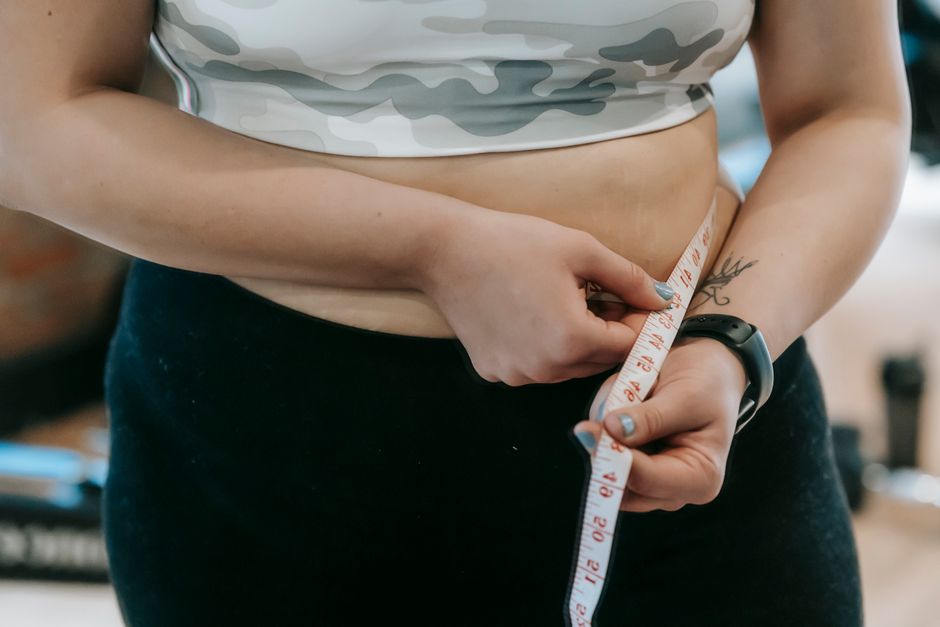
Many people do hundreds of crunches hoping to lose belly fat. It is a common and understandable goal. The short answer is that ab exercises strengthen your core muscles, but they do not selectively remove fat from your midsection. Spot reduction, the idea that working one muscle burns fat directly over it, is not supported by exercise science.
Your body stores and burns fat as a whole system. When you lose weight, you lose it from all over, and genetics largely determine where it comes off first and last. The most effective path to a flatter stomach combines overall fat loss through diet and full-body exercise with strength training for your core.
Why Spot Reduction Does Not Work
Spot reduction is the belief that exercising a specific body part will burn fat in that exact area. Research has tested this idea directly. Studies comparing abdominal exercise programs with overall weight loss plans have consistently found that doing ab work alone does not reduce belly fat measurements.
Fat cells release fatty acids into the bloodstream to be used as energy. The body decides which fat cells to draw from based on hormones and blood flow, not based on which muscles you just worked. You cannot tell your body to pull fat specifically from your waistline by doing sit-ups.
This mechanism is well established in physiology. Exercise creates an energy demand. Fat from anywhere in the body can meet that demand. Ab exercises do create an energy demand, but the amount is modest compared with larger muscle groups like the legs and back.
What Ab Exercises Actually Do
Ab exercises strengthen the rectus abdominis, the obliques, and the transverse abdominis. These are the muscles that flex your spine, rotate your torso, and stabilize your pelvis. Strong core muscles improve posture, protect your lower back, and make daily movements easier.
Here is where the confusion starts. A strong core can make your stomach appear flatter because better posture pulls your shoulders back and reduces the forward tilt of your pelvis. This visual change is real, but it is not fat loss.
Ab exercises also build muscle mass under the fat layer. If you have a thin layer of fat, stronger abdominal muscles can push against it and create a firmer appearance. If you have a thicker layer of fat, the muscle growth is hidden beneath it.
The muscles themselves burn few calories during exercise. A set of crunches might burn 5 to 10 calories. Compare that with a brisk 30-minute walk, which burns roughly 150 calories for a 150-pound person. The math makes it clear why ab work alone cannot create a meaningful calorie deficit.
Can Ab Exercises Reduce Belly Fat When Combined with Diet?
Ab exercises reduce belly fat only in the sense that they contribute to your total daily energy expenditure. Every movement counts toward your calorie balance. But the contribution is small compared with diet and full-body exercise.
To lose belly fat, you need a calorie deficit. You must consume fewer calories than your body burns. Diet is the most reliable way to create that deficit because it is easier to skip 500 calories than to burn 500 calories through exercise.
Full-body exercises like walking, running, cycling, and swimming burn more calories per minute than ab exercises because they engage more muscle mass. More muscle mass means higher energy demand. Higher energy demand means more fat burned from all over your body, including your midsection.
Strength training for all major muscle groups also matters. Muscle tissue is metabolically active. More muscle raises your resting metabolic rate slightly, which means you burn more calories even at rest. This effect is modest but meaningful over time.
Why Belly Fat Is Different from Other Fat
Belly fat is not just one type of fat. Subcutaneous fat sits just under the skin and is the fat you can pinch. Visceral fat surrounds your internal organs deep inside your abdomen. Visceral fat is more concerning for health because it is linked to higher risks of heart disease, type 2 diabetes, and metabolic problems.
Visceral fat responds well to overall weight loss. Studies show that losing weight through diet and exercise reduces visceral fat effectively. In fact, visceral fat often decreases faster than subcutaneous fat when you lose weight.
Genetics play a large role in where you store fat and where you lose it first. Some people naturally carry more weight in their belly. Others carry it in their hips and thighs. You cannot override this genetic pattern with specific exercises.
Hormones also influence belly fat storage. Cortisol, the stress hormone, is associated with increased abdominal fat when levels stay high for long periods. Chronic stress and poor sleep can raise cortisol. Managing stress and getting adequate sleep support your fat loss efforts, though they are not substitutes for diet and exercise.
What an Effective Belly Fat Strategy Looks Like
An effective approach combines nutrition, full-body movement, and core strength. No single element does the job alone.
- Create a moderate calorie deficit. Aim to eat slightly fewer calories than you burn. Extreme restriction is not sustainable and can backfire.
- Prioritize protein and fiber. These nutrients support fullness and help preserve muscle while you lose fat.
- Do full-body strength training. Compound movements like squats, deadlifts, push-ups, and rows build muscle and burn more calories than isolation exercises.
- Add regular cardio. Brisk walking, jogging, cycling, or swimming several days per week increases your calorie burn.
- Keep doing ab exercises. They strengthen your core and improve posture, but treat them as one part of the plan, not the whole plan.
- Prioritize sleep. Poor sleep disrupts hunger hormones and can increase cravings for high-calorie foods.
Consistency matters more than intensity. A moderate plan you follow for months beats an aggressive plan you abandon in three weeks. Fat loss is slow by design. Losing one to two pounds per week is a realistic and sustainable rate.
How Often Should You Train Your Abs?
Ab muscles recover quickly because they are relatively small. Training them two to three times per week is sufficient for strength gains. You do not need to do ab exercises every day.
Quality matters more than quantity. Performing exercises with controlled form activates the muscles more effectively than rushing through high repetitions. Focus on bracing your core and moving through a full range of motion.
Rest days are important. Muscles grow and strengthen during recovery, not during the workout itself. Overtraining your abs without adequate rest can lead to strain or injury.
No single ab exercise is superior. Planks, crunches, leg raises, and bicycle maneuvers all have value. Rotating through different exercises targets different parts of your core and prevents boredom.
Are There Health Risks in Carrying Belly Fat?
Excess belly fat, particularly visceral fat, carries real health risks. It is associated with higher blood pressure, unfavorable cholesterol levels, and reduced insulin sensitivity. These factors increase the risk of cardiovascular disease and type 2 diabetes.
The good news is that visceral fat is highly responsive to weight loss. Even a modest reduction in body weight, around 5 to 10 percent, can produce meaningful improvements in metabolic health. You do not need to reach an ideal body weight to see benefits.
Waist circumference is a practical measure of abdominal fat. For adults, a waist measurement above 40 inches for men and above 35 inches for non-pregnant women indicates increased health risk. These thresholds come from established health guidelines.
Frequently Asked Questions
Can ab exercises reduce belly fat by themselves?
No. Ab exercises strengthen muscles but do not selectively burn fat from the midsection. Fat loss requires a calorie deficit through diet and full-body exercise.
How long does it take to see results from ab exercises?
Visible changes depend on how much fat covers the abdominal muscles. Some people see posture improvements in weeks, but visible definition may take months of consistent fat loss.
What is the best exercise to lose belly fat?
No single exercise targets belly fat. Full-body movements that burn calories, such as brisk walking or cycling, combined with a calorie deficit, are the most effective approach.
Do planks burn belly fat?
Planks strengthen your core but burn relatively few calories. They contribute to a firmer midsection but do not remove fat directly from your belly.
