
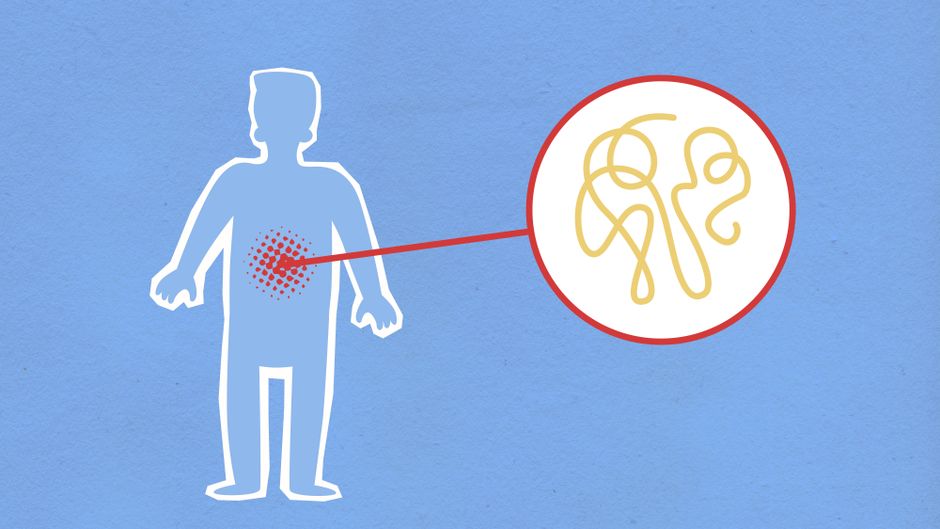
Can a yeast infection cause bloating? A vaginal yeast infection does not cause bloating. The infection is confined to the vagina and vulva, and there is no established mechanism by which it produces abdominal swelling or gas. When bloating and a vaginal yeast infection happen at the same time, they are usually separate problems that happen to overlap.
That answer surprises people, because the two complaints really do show up together. But “at the same time” is not the same as “caused by.” Untangling that difference matters, because chasing the wrong cause can delay relief and lead to treatments that never had a chance of working.
Can a yeast infection cause bloating?
No. The organism behind most vaginal yeast infections, Candida albicans, lives on the skin and in the vagina. It does not live in the intestines in a way that produces gas, and it does not travel from the vagina into the bowel.
The vagina and the digestive tract are separate systems. Bloating comes from gas and fluid inside the intestines, or from changes in how the abdominal wall and gut muscles behave. A vaginal infection has no route to influence any of that.
The anatomy also rules out spread by proximity. The vagina and the rectum are close together, but they are not connected. An infection on the vaginal lining does not cross into the rectum or colon.
Where confusion creeps in is the word “yeast.” Candida can overgrow in the mouth (thrush) and, in some cases, in the esophagus, especially in people with weakened immune systems. But even oral or esophageal yeast does not typically cause bloating. And vaginal yeast is a different situation entirely from gut yeast.
Why do people link a yeast infection and bloating?
Timing creates the illusion. Both vaginal yeast infections and bloating are common, so they overlap by chance far more often than most people realize. Two frequent problems will frequently appear in the same week.
There is also a real hormonal thread. Many women notice more vaginal yeast infections in the days before their period, when estrogen and pH shifts can favor yeast growth. The same hormonal phase is a well-known trigger for bloating and fluid retention. So a single hormonal cycle can produce both symptoms at once, with no direct connection between them.
Antibiotics are another shared thread. A course of antibiotics is a recognized trigger for vaginal yeast infections because it disturbs the normal vaginal flora. Antibiotics can also disturb the gut bacteria that help digest food, which some people experience as gas and bloating. Here the antibiotic is the common cause, not the yeast.
Then there is the marketing problem. “Yeast overgrowth” and “candida cleanse” products promise to fix bloating, fatigue, brain fog, and more by clearing yeast from the gut. The idea that intestinal yeast overgrowth causes widespread symptoms is popular online. It is not established in clinical medicine. No reliable test confirms “candida overgrowth” as a general diagnosis in healthy people, and the treatments sold for it have not been shown to help bloating in controlled studies.
What actually causes bloating?
Bloating has many well-understood causes, and none of them require a yeast infection to explain it. Gas from swallowed air or from bacterial fermentation in the colon is the most common driver. So is constipation, which slows transit and lets gas build up.
Common contributors include:
- Eating quickly or drinking carbonated beverages, which increases swallowed air
- High-fiber foods, beans, and certain sugars that gut bacteria ferment into gas
- Constipation or irregular bowel habits
- Lactose intolerance and other carbohydrate malabsorption
- Irritable bowel syndrome, where bloating is a hallmark symptom
- Hormonal shifts across the menstrual cycle
- In some people, small intestinal bacterial overgrowth, though this remains an area of active debate among clinicians
Notice that this list is about the gut. That is the point. Bloating is a digestive and hormonal symptom, and the search for its cause belongs in that territory.
When bloating and a yeast infection overlap, what should you look at?
Look at what changed recently. A new antibiotic, a new food, a change in bowel habits, or a shift in your cycle will usually point toward the real cause of bloating. The yeast infection is a separate issue with its own treatment.
It helps to track both problems on the same calendar for a few weeks. Note when the yeast symptoms appear and when the bloating appears. Patterns often emerge that make the separation obvious. If bloating clusters around your period and yeast symptoms show up at a different point, that alone tells you they are running on separate tracks.
Treat the yeast infection with an appropriate antifungal, whether over-the-counter or prescribed. Treat the bloating by addressing its actual driver. Neither problem needs the other to be solved first.
One caution worth stating plainly: persistent or worsening bloating deserves medical attention on its own. In some cases it can signal a digestive condition that has nothing to do with yeast, and it should not be dismissed as a side effect of an infection that does not cause it.
What does a vaginal yeast infection actually feel like?
The symptoms are specific and localized. They include itching and irritation of the vulva, burning, redness, and a thick white discharge that is often described as resembling cottage cheese. Burning during urination or during sex is common.
What is missing from that list is telling. There is no fever, no abdominal pain, and no bloating in a straightforward vaginal yeast infection. If you have significant abdominal pain, fever, or pelvic pain alongside vaginal symptoms, that combination points toward something else, such as a different infection or a pelvic condition, and warrants prompt medical evaluation.
Diagnosis matters here because the symptoms of yeast infection overlap with bacterial vaginosis and other conditions that need different treatment. Self-diagnosing and self-treating repeatedly without confirmation is a common reason symptoms persist.
Does treating a yeast infection relieve bloating?
No. Antifungal treatment clears the vaginal infection, and bloating does not respond to antifungals because yeast is not causing it. If bloating improves after treatment, it is coincidence or the result of some other change happening at the same time.
This is where the honest answer saves people money and frustration. Probiotic supplements marketed for “gut yeast” and candida diets have not been shown in controlled trials to resolve bloating in people without a diagnosed yeast problem. Some clinicians recommend probiotics for general gut health, but that is a different claim from saying they treat a yeast-driven bloating that does not exist.
If bloating is your main concern, the productive path is a conversation with a clinician about your digestive symptoms, diet, and bowel habits, not a course of antifungal or cleanse products aimed at yeast.
Frequently Asked Questions
Can a yeast infection make your stomach swell?
No. A vaginal yeast infection is confined to the vagina and vulva and does not cause abdominal swelling. Stomach or belly swelling has digestive or hormonal causes, not vaginal yeast.
Can a yeast infection cause gas and bloating?
No. Vaginal yeast infections do not produce intestinal gas. Gas comes from swallowed air and bacterial fermentation in the gut, which a vaginal infection does not affect.
