
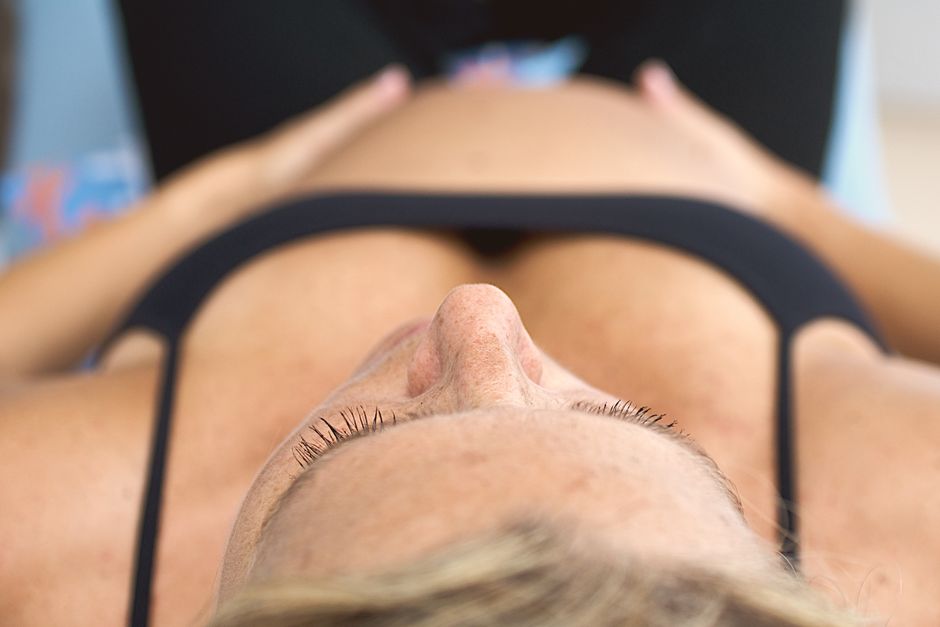
The short answer is no, a woman cannot get pregnant naturally after menopause. Once menopause is confirmed—meaning you have gone 12 full months without a period—your ovaries stop releasing eggs. Without an egg, pregnancy cannot happen. But there is a separate path that allows pregnancy after menopause using donated eggs or embryos. That is not natural conception. It is a medical procedure with serious considerations.
What Actually Happens to Fertility During Menopause?
Menopause is not one event. It is a process. Your ovaries gradually stop working. They produce less estrogen and progesterone. They stop releasing eggs each month.
This does not happen overnight. The transition is called perimenopause. It can last 4 to 10 years. During perimenopause, your cycles become irregular. You may skip months. You may still ovulate some months. That is why women in their late 40s and early 50s can still get pregnant naturally, though it is less likely.
Once you have gone 12 consecutive months without a period, menopause is confirmed. At that point, your ovarian reserve is essentially zero. You have no viable eggs left. Natural conception is impossible.
There is no medical treatment that can restart your ovaries. No supplement, diet, or therapy can bring back eggs that are gone. This is a biological fact, not a mystery to solve.
Can a Woman Get Pregnant After Menopause With Medical Help?
Yes, but with important conditions. Pregnancy after menopause is possible only through in vitro fertilization (IVF) using donor eggs or donor embryos. Your own eggs will not work because you no longer have any.
The process works like this. A younger woman donates her eggs. Those eggs are fertilized with sperm in a lab. The resulting embryo is transferred into your uterus. Your uterus can still carry a pregnancy if it is healthy and prepared with hormones.
You will need hormone replacement therapy to prepare your uterine lining. This means taking estrogen and progesterone for several months before the transfer. You will continue taking hormones through the first trimester of pregnancy.
This is not a simple or guaranteed process. Success rates depend on the donor’s age, the quality of the embryos, and your overall health. The live birth rate per embryo transfer for women over 50 using donor eggs is roughly 30 to 40 percent. That is similar to success rates for younger women using their own eggs, but the risks are higher.
As of 2026, the oldest recorded woman to give birth using donor eggs was 73 years old. That is an extreme case, not a realistic goal. Most clinics have age limits. Many will not treat women over 50 or 55 due to medical risks.
What Are the Real Risks of Pregnancy After Menopause?
Pregnancy after menopause carries higher medical risks than pregnancy at a younger age. These risks are not minor. They affect both the mother and the baby.
For the mother:
- Preeclampsia (dangerously high blood pressure during pregnancy)
- Gestational diabetes
- Placenta previa or placental abruption
- Higher rate of cesarean delivery
- Increased risk of blood clots
- Higher chance of needing a hysterectomy after delivery due to bleeding
For the baby:
- Higher rate of preterm birth
- Lower birth weight
- Increased risk of chromosomal abnormalities (though donor eggs from younger women reduce this)
One study published in the journal Menopause found that women over 50 who became pregnant through donor eggs had a 40 percent rate of preeclampsia. Compare that to about 5 percent in women under 35. That is a significant difference.
Your body also recovers differently at an older age. Postpartum healing takes longer. The physical demands of caring for a newborn are harder on a 55-year-old body than a 30-year-old body. These are not scare tactics. They are honest observations from maternal-fetal medicine specialists.




What About Natural Menopause Reversal Claims?
You may have seen headlines about “reversing menopause” or “rebooting ovaries.” These claims are not supported by strong evidence. They are widely promoted online, but the science is thin.
Some clinics offer platelet-rich plasma (PRP) injections into the ovaries. The idea is that growth factors in your blood might stimulate ovarian function. A few small studies have shown temporary hormone changes in some women. But no study has shown a live birth from a woman’s own eggs after true menopause using this method.
Another approach is ovarian rejuvenation using stem cells. This is experimental. As of 2026, there is no clinical evidence that stem cell therapy can restore natural fertility after menopause. The research is in very early stages. It is not something available outside of tightly controlled clinical trials.
Some people report getting pregnant naturally after menopause. In nearly every case, these women were not truly menopausal. They were in perimenopause and still ovulating occasionally. True menopause means no eggs. No eggs means no natural pregnancy.
Be skeptical of any clinic promising to “reverse menopause.” If it sounds too good to be true, it probably is. Real fertility specialists do not make these claims.
How Does Hormone Therapy for Menopause Differ From Fertility Treatment?
This is a common point of confusion. Hormone therapy for menopause symptoms is not the same as fertility treatment. They serve completely different purposes.
Hormone therapy for menopause:
- Used to treat hot flashes, night sweats, vaginal dryness, and bone loss
- Uses low doses of estrogen, sometimes with progesterone
- Does not restore fertility
- Does not cause ovulation
Hormone preparation for donor egg IVF:
- Used to prepare the uterine lining for embryo transfer
- Uses higher doses of estrogen and progesterone
- Does not restore ovulation
- Is temporary and stops after the first trimester
Taking standard menopause hormone therapy will not help you get pregnant. It will not bring back your eggs. It will not make you ovulate. If you are on hormone therapy and still having periods, you may be in perimenopause and could potentially ovulate. But that is because you are not yet menopausal, not because of the hormones.
| Factor | Menopause Hormone Therapy | Donor Egg IVF |
|---|---|---|
| Purpose | Symptom relief | Pregnancy |
| Hormone dose | Low | High |
| Restores ovulation | No | No |
| Requires donor eggs | No | Yes |
| Duration | Years possible | Temporary |
What Are the Ethical and Practical Considerations?
Pregnancy after menopause raises questions that go beyond medicine. Some are personal. Some are societal. They are worth thinking through before deciding to pursue treatment.
Age at childbirth: If you give birth at 55, you will be 73 when your child graduates high school. That is a real consideration for your child’s future. You need to think about who would raise your child if you become ill or die early.
Energy and stamina: Raising a child requires physical and mental energy. A 55-year-old body is different from a 30-year-old body. This is not ageism. It is honest self-assessment.
Multiple births: Some clinics transfer multiple embryos to increase success rates. This raises the risk of twins or triplets, which is dangerous at any age and especially risky for older mothers.
Clinic ethics: Not all fertility clinics are equally careful. Some may accept patients who are not good candidates simply for financial reasons. Ask hard questions. Get second opinions.
Emotional readiness: Having a child later in life can be wonderful. Many women feel more stable, financially secure, and emotionally ready. That is a real advantage. But it comes with trade-offs.
There is no right or wrong answer here. The important thing is to make a fully informed decision, not one based on hope or pressure.
What Should You Do If You Want to Explore This Option?
If you are postmenopausal and considering pregnancy through donor eggs, start with a thorough medical evaluation. Do not skip this step. It is not just a formality.
You will need:
- A full physical exam and blood work
- A cardiovascular evaluation including an echocardiogram
- A uterine evaluation to check for fibroids, polyps, or scarring
- A cancer screening including mammogram and Pap smear
- A psychological evaluation to assess readiness for parenting at an older age
Find a fertility clinic that has experience with older patients. Ask about their age limits. Ask about their success rates specifically for women your age using donor eggs. Ask about their approach to multiple embryo transfer.
Consider consulting with a maternal-fetal medicine specialist. These are high-risk pregnancy doctors. They can give you a realistic picture of what pregnancy at your age would look like.
Talk to your partner if you have one. Talk to your family. Think about your support system. Who will help you during pregnancy recovery? Who will help with childcare? These are practical questions, not philosophical ones.
If you decide not to pursue pregnancy, that is a valid choice. Many women find fulfillment in other paths. Adoption, fostering, step-parenting, or simply focusing on the relationships you already have are all meaningful options.
Frequently Asked Questions About a woman get pregnant after menopause
Can a woman get pregnant naturally after menopause?
No. Natural pregnancy after menopause is impossible because the ovaries stop releasing eggs. Without an egg, fertilization cannot occur.
What is the oldest age a woman can get pregnant with donor eggs?
There is no official cutoff, but most clinics limit treatment to women under 50 or 55. The oldest recorded birth using donor eggs was to a 73-year-old woman, but this is extremely rare and carries high risks.
Can hormone therapy help a postmenopausal woman get pregnant?
No. Hormone therapy for menopause symptoms does not restore fertility or cause ovulation. It is used only to relieve symptoms like hot flashes and vaginal dryness.
Is it safe to get pregnant after menopause?
Pregnancy after menopause carries higher risks including preeclampsia, gestational diabetes, and preterm birth. A thorough medical evaluation is essential before attempting pregnancy at an older age.
