
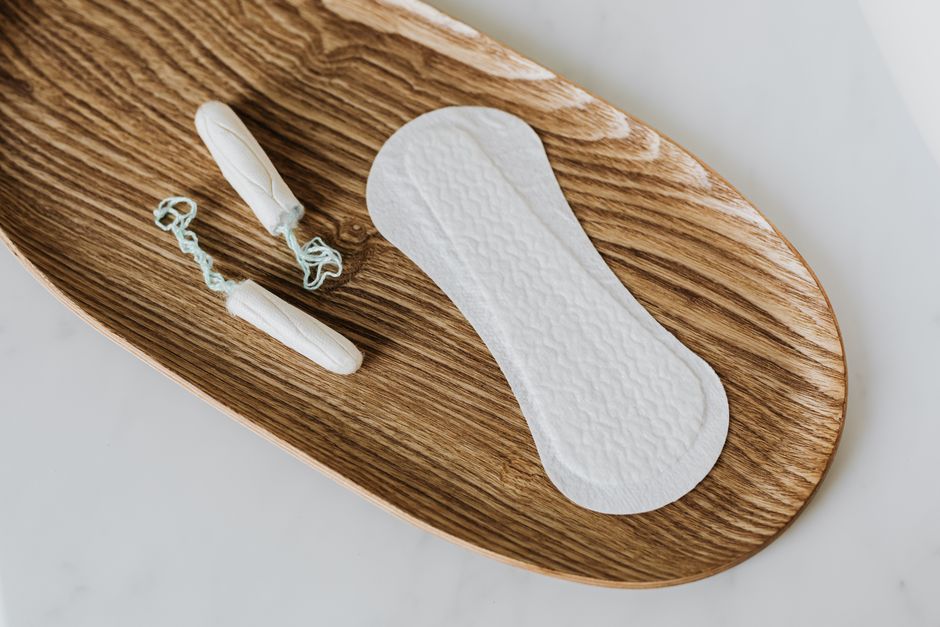
Yes, a tampon can get lost inside the vagina — but “lost” does not mean it has traveled somewhere else in your body. The vagina is a closed muscular canal, roughly 3 to 4 inches long, that ends at the cervix. The cervix is the narrow opening to the uterus, and it is far too small for a tampon to pass through. So a tampon can be pushed up high enough that you cannot feel or reach it, but it stays in the vagina until it is removed.
This is more common than many people realize. A tampon can sit unnoticed for days or even longer if it was inserted and then forgotten, especially at the end of a period. The main risk of leaving one in place is not that it disappears — it is that it can lead to infection and a rare but serious condition called toxic shock syndrome.
Where Does a Lost Tampon Actually Go?
It stays in the vagina. There is nowhere else for it to go.
The vagina is a tube of muscle and tissue. At its deepest point sits the cervix, which has a tiny opening called the os. That opening is normally no wider than a few millimeters — not much bigger than a pencil tip — and it is filled with thick mucus. A cotton tampon cannot squeeze through it.
What actually happens is simpler and less dramatic. The tampon gets pushed toward the top of the canal, often near or against the cervix. Because the upper vagina has fewer nerve endings than the lower portion, you may not feel it there. If the string breaks off or gets tucked inside, you may have no obvious sign it is still in place.
One detail worth knowing: the vagina does not have a “back wall” that opens into the body. It is a closed pouch. This is why the idea of a tampon wandering into the uterus, the abdomen, or somewhere else is a myth. It cannot happen through normal use.
How Would You Know If a Tampon Is Still Inside?
The most common sign is a foul-smelling discharge. That odor is usually the clearest clue that something has been left behind.
Other possible signs include:
- Vaginal irritation, itching, or redness
- Discomfort or a feeling of pressure in the pelvis
- Spotting or unusual bleeding between periods
- Discharge that looks gray, green, or yellow
- Pain during sex or when inserting a tampon
Some people notice nothing at all. That is part of what makes a retained tampon easy to miss. If you have finished your period but still have symptoms that do not fit your normal cycle, a forgotten tampon is one thing worth checking.
It is also possible to mistake the situation for a yeast infection or bacterial vaginosis, since the symptoms overlap. If a treatment for either of those is not working, it is reasonable to consider whether a tampon is still in place.
How Do You Find and Remove a Retained Tampon?
Most of the time you can remove it yourself, and it is not dangerous to try.
Start by washing your hands well. Then find a comfortable position — squatting, sitting on the toilet, or standing with one foot raised all work. Insert one or two clean fingers into the vagina and sweep gently toward the back and slightly upward, following the natural angle of the canal. The tampon usually sits near the cervix at the top.
If you feel it, hook your fingers around it and pull it out slowly. If the string is still attached but out of reach, you can try to grasp the string and guide it down. Do not tug hard on a string that will not move — if the tampon is stuck, stop and get help.
If you cannot find it after a careful attempt, do not keep digging. Repeated probing can cause irritation or small tears. See a healthcare provider. A clinician can locate and remove it quickly and comfortably, usually during a simple pelvic exam. This is a routine situation they see regularly.
Never try to remove a tampon with tweezers, a cotton swab, or any sharp object. These can injure the vaginal wall or push the tampon further up.





What Happens If a Tampon Is Left In Too Long?
The main concern is infection, and in rare cases, toxic shock syndrome.
A tampon left in place for an extended time becomes a place for bacteria to multiply. This can cause a localized infection with odor and discharge. It can also raise the risk of toxic shock syndrome, or TSS — a rare but life-threatening condition caused by bacterial toxins entering the bloodstream.
TSS is uncommon, but it is serious and can progress quickly. Warning signs include:
- Sudden high fever
- Vomiting or diarrhea
- A sunburn-like rash, often on the palms or soles
- Muscle aches, dizziness, or confusion
- Low blood pressure or fainting
If you have these symptoms and you use tampons, remove the tampon right away and seek emergency care. Do not wait to see if it improves on its own. Early treatment matters.
It is worth being clear about the scale here. TSS is rare. Most people who leave a tampon in for too long develop an infection that clears up once the tampon is removed, sometimes with antibiotic treatment. But because TSS can be fatal, the symptoms above should never be ignored.
How Can You Prevent a Tampon From Getting Lost?
Good tampon habits make this situation unlikely.
Change your tampon every 4 to 8 hours, and always remove the last one at the end of your period. If you use a tampon and then switch to a pad, make sure you removed the tampon first — this is one of the most common ways one gets forgotten. The string can also get pushed inside during sex or when you insert another tampon, so check for the string each time you change one.
Some practical habits that help:
- Track your tampon use if you tend to forget, especially on light days
- Choose the lowest absorbency that controls your flow
- Consider pads or a menstrual cup on your lightest days
- Never use a tampon when you are not menstruating
- Alternate tampons with pads to reduce the chance of forgetting one
There is one point that often gets lost in the noise about absorbency. The link between TSS and tampons is strongest with higher-absorbency products and with leaving a tampon in longer than recommended. Using the lowest absorbency you need is not just about comfort — it is a genuine risk-reduction step that public health agencies have emphasized for decades.
When Should You See a Doctor?
See a healthcare provider if you cannot find or remove a tampon yourself, or if you have symptoms of infection that do not go away after removal.
Get urgent care if you have a high fever, a rash, vomiting, dizziness, or fainting — especially if you use tampons. These can be signs of toxic shock syndrome and need immediate medical attention.
You should also check in with a provider if you have recurring unusual discharge or odor, since that can point to other conditions beyond a retained tampon. A retained tampon is common and treatable. The important thing is not to ignore symptoms because you feel embarrassed. Clinicians handle this regularly, and there is nothing unusual about it.
Frequently Asked Questions
Can a tampon get lost in your body?
A tampon can get pushed high into the vagina where you cannot feel it, but it cannot travel into the uterus or anywhere else in the body. The cervix blocks the only opening, and it is far too small for a tampon to pass through.
How long can a tampon stay inside before it is a problem?
Tampons should be changed every 4 to 8 hours, and leaving one in longer raises the risk of infection and toxic shock syndrome. If you think a tampon has been in for more than a day, remove it as soon as you can and watch for symptoms.
What does a forgotten tampon smell like?
A retained tampon often causes a strong, foul odor along with unusual discharge. The smell is usually the clearest sign that something has been left behind.
Can a doctor remove a tampon you cannot reach?
Yes. A healthcare provider can locate and remove a stuck tampon during a simple pelvic exam. If you cannot find it yourself after a careful attempt, stop trying and make an appointment.
