
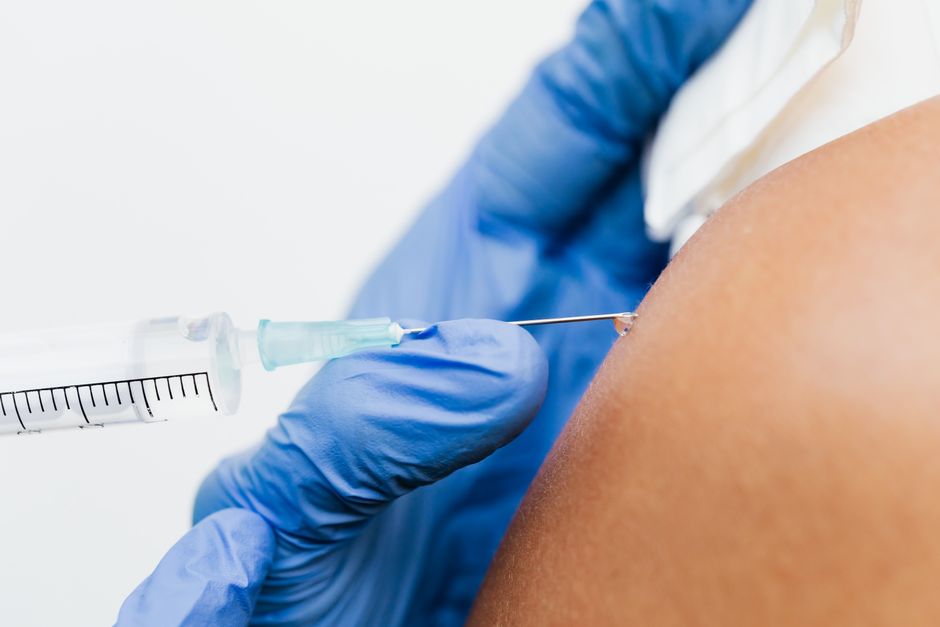
If you have piriformis syndrome, you know the pain. It sits deep in the buttock, sometimes shooting down the back of the leg. You may have tried stretching, physical therapy, and anti-inflammatory pills. When those do not work, a doctor might suggest a steroid injection. The short answer is yes, a steroid injection can help piriformis syndrome, but it is not a cure. It is a tool to break a cycle of pain and inflammation so that other treatments, like physical therapy, can actually work.
What Exactly Is Piriformis Syndrome?
Piriformis syndrome happens when the piriformis muscle — a small muscle deep in the buttock — spasms or becomes tight. This muscle helps rotate your hip and turn your leg outward. The sciatic nerve runs directly beneath, and sometimes through, this muscle. When the muscle swells or clenches, it presses on that nerve.
That pressure causes pain, tingling, or numbness in the buttock and down the leg. The pain often gets worse when you sit for a long time or climb stairs. It is not the same as sciatica caused by a herniated disc in the spine, though the symptoms can feel identical.
Diagnosis is tricky. There is no single test that proves you have it. Doctors usually rely on your symptoms, a physical exam, and sometimes an MRI to rule out other causes like a disc problem or arthritis in the hip.
How Does a Steroid Injection Work?
A steroid injection delivers a strong anti-inflammatory medication directly to the irritated area. In this case, the doctor guides a needle into the piriformis muscle, often using an ultrasound or CT scan to see exactly where the needle is going.
The steroid reduces swelling in the muscle and around the sciatic nerve. Less swelling means less pressure on the nerve. This can provide significant pain relief, sometimes within a few days. The effect is not permanent. It lasts weeks or months, depending on the person.
The injection usually also contains a local anesthetic, like lidocaine. This numbs the area immediately and helps confirm the diagnosis. If your pain goes away for a few hours after the injection, it is strong evidence that the piriformis muscle was the source of the problem.
What Does the Evidence Show?
Research on steroid injections for piriformis syndrome is limited. There are no large, placebo-controlled trials that prove they work better than a sham injection. That is an honest gap in the evidence.
However, many pain specialists and physiatrists use them regularly. Clinical experience and smaller studies suggest they help many patients. Some research indicates that injections guided by ultrasound or CT are more effective than those done by feel alone, because the needle lands more precisely.
What the evidence does not show is that an injection alone fixes the problem. If the underlying cause — such as weak hip muscles, poor sitting posture, or overuse — remains, the pain often returns. The injection is a bridge, not a destination.





Are There Risks or Side Effects?
Steroid injections are generally safe when performed by an experienced doctor. But they are not risk-free.
Common side effects include temporary pain at the injection site and a brief flare of symptoms as the medicine spreads. Some people experience a flush of warmth or redness in the face for a day or two. This is harmless.
More serious risks are rare but possible. These include infection, bleeding, or nerve damage from the needle. Repeated steroid injections can weaken nearby tissues over time. For this reason, doctors usually limit how many injections you get in the same area, often to no more than three per year.
People with uncontrolled diabetes should talk to their doctor first. Steroids can raise blood sugar for several days after the injection. Those on blood thinners also need special consideration.
Who Is a Good Candidate for This Injection?
Doctors typically consider a steroid injection when conservative treatment has failed. That means you have tried at least a few weeks of physical therapy, stretching, and anti-inflammatory medication without enough relief.
You may also be a candidate if your pain is severe enough to interfere with daily activities or sleep. Some doctors offer the injection earlier, especially if the pain is disabling. But most prefer to exhaust simpler options first.
You are not a good candidate if you have an active infection, a bleeding disorder, or an allergy to the medications used. Pregnant women should discuss risks with their obstetrician before having the procedure.
What Happens After the Injection?
You may feel immediate numbness from the local anesthetic. That fades in a few hours. The steroid itself may take two to seven days to reach full effect. Some people feel worse for the first day or two before they feel better.
For the first 24 to 48 hours, avoid heavy lifting, long walks, or strenuous exercise. Ice the area if it feels sore. You can usually return to normal activities the next day.
The key is to use the pain-free window wisely. This is the time to start or intensify physical therapy. Stretch the piriformis muscle gently. Strengthen the hip and core muscles. Fix your sitting posture. If you do not address these underlying factors, the pain is likely to return when the steroid wears off.
How Long Does the Relief Last?
Relief varies widely. Some people get weeks of comfort. Others get months. A small number get lasting relief after just one injection, especially if the trigger was a single episode of muscle spasm.
If the injection helps but the pain returns, a doctor may offer a second one. If two injections do not provide meaningful relief, further injections are unlikely to help. At that point, it is worth revisiting the diagnosis. The pain may not be coming from the piriformis muscle at all.
What Are the Alternatives to a Steroid Injection?
Before or instead of an injection, consider these options:
- Physical therapy focused on stretching the piriformis and strengthening the hip abductors and external rotators.
- Nonsteroidal anti-inflammatory drugs like ibuprofen or naproxen for short-term pain.
- Muscle relaxants for spasms.
- Dry needling or acupuncture, which some people find helpful, though evidence is mixed.
- Botulinum toxin (Botox) injections, which paralyze the muscle temporarily. Some studies suggest this helps, but it is less commonly used and more expensive.
- Surgery to release the piriformis muscle, reserved for severe cases that fail all other treatment.
Your doctor can help you decide which approach fits your situation. There is no single best treatment for everyone.
Can A Steroid Injection Help Piriformis Syndrome Long Term?
On its own, no. A steroid injection treats inflammation, not the root cause. If you have weak gluteal muscles or sit with poor posture for eight hours a day, the muscle will likely tighten up again.
Used correctly, however, an injection can be part of a successful long-term plan. It gives you a window of reduced pain to do the rehabilitation work that actually changes the mechanics of your hip and pelvis. That combination — injection plus therapy — is more likely to produce lasting improvement than either alone.
Be honest with yourself about expectations. The injection is not a fix. It is a start.
Frequently Asked Questions
Does a steroid injection for piriformis syndrome hurt?
Most people feel a brief sting or burn as the medicine goes in. The local anesthetic usually numbs the area quickly, and the procedure takes only a few minutes.
How soon after the injection will I feel relief?
The local anesthetic can give immediate numbness that lasts a few hours. The steroid typically takes two to seven days to reach full effect.
Can I walk normally after a piriformis steroid injection?
Yes, most people walk normally right after the procedure. Avoid strenuous exercise and heavy lifting for the first 24 to 48 hours.
How many steroid injections can I get for piriformis syndrome?
Most doctors limit injections to two or three per year in the same area. More frequent use can weaken muscle and surrounding tissue.
