
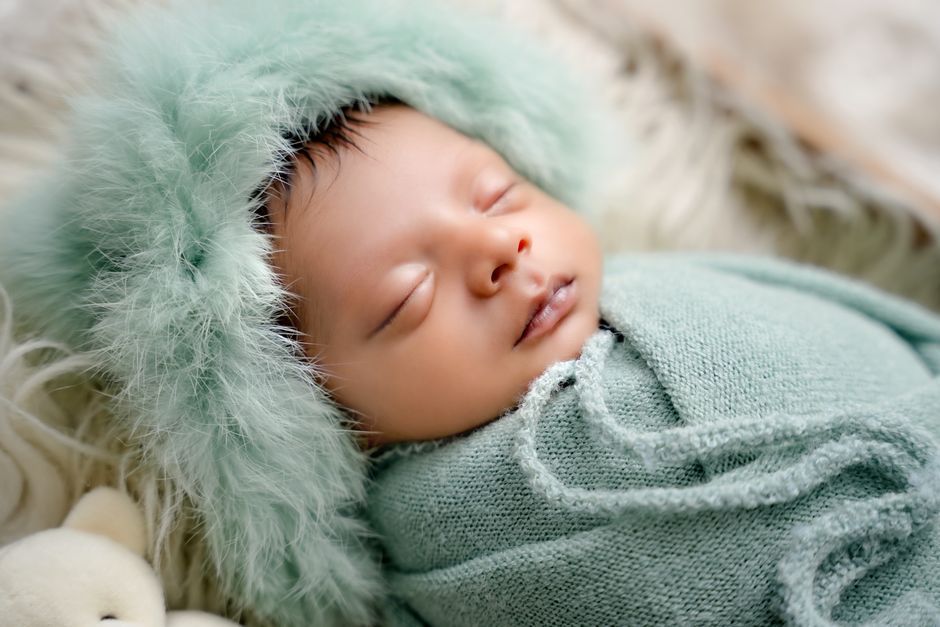
Yes, a newborn can sleep too much, but it is not common in healthy babies. Most newborns sleep 14 to 17 hours a day. Sleeping significantly more than that, especially if they are hard to wake or miss several feedings, may signal a medical problem. Always check with your pediatrician if you are concerned about your baby’s sleep patterns.
How Much Sleep Is Normal for a Newborn?
In the first few weeks, newborns sleep in short stretches because they need to wake up often to eat. They rarely sleep more than 3 to 4 hours at a time, day or night. The total amount of sleep per day usually falls between 14 and 17 hours. Some perfectly healthy newborns sleep as little as 11 hours or as much as 19 hours, but those numbers are less common. The key factor is whether the baby wakes easily, feeds well, and is gaining weight normally.
Newborn sleep cycles are different from adult cycles. They spend more time in light, active sleep and less time in deep sleep. This is normal and helps protect against SIDS. It also means that a very sleepy newborn who rarely stirs or seems difficult to arouse deserves attention.
When Might a Newborn Be Sleeping Too Much?
Look for these signs that sleeping might be excessive: the baby sleeps through most feedings, will not wake for feedings, or is hard to rouse even when you try. A baby who sleeps longer than 4 to 5 hours at a stretch in the first few weeks may be skipping needed calories. This can affect weight gain and blood sugar levels. Jaundice is a common cause of excessive sleepiness. Other medical issues include infection, dehydration, or a metabolic problem. If your baby is sleeping more than usual and also has a fever, poor appetite, or a weak cry, call your doctor right away.
Another sign is a sudden change in sleep pattern. A baby who used to wake every 2 to 3 hours for feedings and now sleeps 6 hours without waking may be ill. A healthy newborn who is gaining weight well and has enough wet diapers might occasionally sleep a longer stretch, but that is different from a sleepy baby who cannot be woken.
The Difference Between Sleeping Well and Sleeping Excessively
A well-rested newborn wakes on their own or with gentle stimulation, roots for milk, and feeds actively. They have enough wet diapers (at least 6 per day after the first week) and are gaining weight along their growth curve. A baby who sleeps excessively may not show these cues. They may be limp when lifted, not cry for feedings, or fall asleep while trying to nurse. This is not the same as a “good sleeper.” A good sleeper wakes to eat and then goes back to sleep. An excessively sleepy baby misses feedings entirely.
It is also important to know that some babies are naturally easygoing and sleep more. The difference is in how they behave when awake. A healthy baby who sleeps a lot but is alert, feeds well, and has normal output is probably fine. A baby who is difficult to wake, listless, or uninterested in feeding may need a medical check.





What Should You Do If You Think Your Newborn Sleeps Too Much?
First, try to wake your baby for a feeding. Use gentle methods: unwrap the swaddle, change their diaper, or stroke their cheek and feet. If they do not wake within a few minutes or feed poorly, contact your pediatrician. For newborns under two weeks old, it is common advice to wake them for feedings if they sleep longer than 4 hours. Your doctor can give you specific guidance based on your baby’s weight, feeding type, and overall health.
Track the baby’s wet and dirty diapers for a full day. Fewer than 6 wet diapers in 24 hours after the first week is a red flag. Also note if the baby seems unusually floppy, has a weak cry, or does not make eye contact. Share this information with your doctor. Do not wait to see if it gets better on its own. Excessive sleepiness with poor feeding can lead to dehydration and weight loss.
Jaundice and Other Medical Causes of Excessive Sleepiness
Jaundice is one of the most common reasons a newborn sleeps too much. When bilirubin builds up in the blood, it can make a baby very sleepy. This creates a cycle: the baby sleeps more, feeds less, dehydration worsens, and jaundice gets worse. Signs of jaundice include yellow skin and eyes, especially on the face and chest. Jaundice that appears in the first 24 hours after birth or spreads to the belly and legs needs immediate medical attention.
Infections such as a urinary tract infection, respiratory infection, or meningitis can also make a newborn overly sleepy. Other possible causes include low blood sugar (hypoglycemia), a heart condition, or a metabolic disorder. Most of these are serious but treatable when caught early. That is why it is important not to assume your baby is just a “good sleeper.” When in doubt, have a doctor evaluate.
When to Call the Doctor
Call your pediatrician or seek emergency care if your newborn:
- cannot be woken enough to feed
- has fewer than 6 wet diapers in 24 hours after the first week
- has yellow skin or eyes that spreads to the belly or legs
- has a fever (rectal temperature of 100.4°F or higher) in a baby under 2 months old
- looks limp or floppy when awake
- has a weak, high-pitched cry
- is breathing very fast or very slow
Trust your instincts. If something feels off, get help. It is always better to overreact with a newborn than to wait too long. Your doctor expects these calls.
Frequently Asked Questions
Can a newborn sleep too much?
Yes, but it is unusual and usually signals an underlying problem like jaundice, infection, or feeding difficulties. If your baby sleeps through feedings or is hard to wake, contact your pediatrician.
How many hours is too much sleep for a newborn?
Sleeping more than 18 to 19 hours per day or regularly longer than 4 hours at a stretch without waking to feed may be too much, especially in the first few weeks. This depends on whether the baby is feeding adequately and gaining weight.
Should I wake my newborn to feed?
In the first two weeks, many pediatricians recommend waking a newborn who sleeps longer than 4 hours for feedings. Once your baby is back to birth weight and gaining well, you can let them sleep longer, but check with your doctor first.
What causes excessive sleepiness in newborns?
Common causes include jaundice, low blood sugar, infection, dehydration, or a metabolic disorder. Always have a sleepy newborn evaluated by a doctor to rule out these conditions.
