
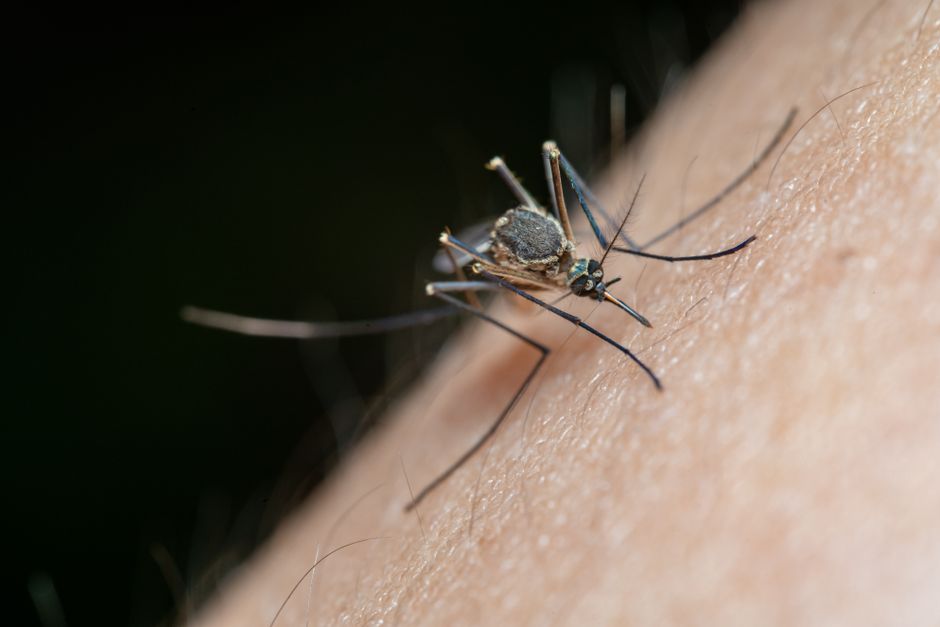
A single mosquito can bite more than once. In fact, one mosquito may bite several different people in a single night, and a female mosquito can feed multiple times over her lifespan. The bite you notice is not a one-time event — it is one feeding attempt among many, and understanding why changes how you think about protection.
The reason comes down to biology. Only female mosquitoes bite, and they do it to get blood, which they need for egg development. A single blood meal is often not enough. If a mosquito is interrupted before she finishes feeding, she will try again — sometimes on the same person, sometimes on someone nearby.
Why Do Mosquitoes Bite Multiple Times?
Female mosquitoes feed repeatedly because blood is a resource they need in quantity, and getting a full meal is harder than it looks. A mosquito’s gut can only hold so much, and she may need more than one blood meal to develop a complete batch of eggs.
Interruption is the other big factor. Swatting at a mosquito, a sudden breeze, or a host shifting position can break off a feeding session before it is complete. When that happens, the mosquito does not give up. She moves on and tries again. This is one reason people often report several bites in quick succession — it may be the same insect returning, or several insects taking turns.
There is a detail many people miss. A mosquito does not always bite the closest person. She is drawn by a mix of body heat, carbon dioxide from breathing, and body odor. If you are the strongest source of those signals in a room, you may receive repeat visits from the same mosquito even when others are nearby.
Can One Mosquito Bite the Same Person Twice?
Yes. A single mosquito can bite the same person multiple times, either in one night or across several days. Nothing about a mosquito’s behavior prevents her from returning to a host she has already fed on.
The timing matters here. A female mosquito typically needs a period of time to digest a blood meal and develop eggs before she feeds again. The length of that gap varies by species and by temperature — warmer conditions generally speed up the process. So a mosquito that bites you on Monday is not necessarily done with you by Tuesday.
This matters for how people interpret their bites. If you wake up with a cluster of bites on one arm, it is tempting to assume a swarm of mosquitoes found you. In many cases it was one or two insects that fed, got disturbed, and came back.
How Many Times Can a Mosquito Bite in One Night?
There is no fixed number, and no reliable figure applies across all species. What is well established is that a single female mosquito can take multiple partial blood meals in a night if she keeps getting interrupted, and she can feed on more than one host.
This is not just an annoyance issue. When a mosquito feeds on one person and then moves to another before finishing, she can carry pathogens from the first host to the second. That interrupted-feeding behavior is part of how mosquito-borne diseases spread. It is one reason a single infected mosquito in a household can matter more than people expect.
Some mosquito species are more aggressive repeat feeders than others. Species that prefer to feed on humans, and that live close to where people sleep, tend to produce the clustered bites people notice most.




Why Do Mosquito Bites Itch So Much?
The itch comes from your own immune system, not from the mosquito’s mouthparts alone. When a mosquito bites, she injects saliva that contains proteins which help keep blood flowing and prevent clotting. Your body recognizes those proteins as foreign and responds with a small allergic reaction.
That reaction releases histamine, which causes the swelling, redness, and itching. The response is a mild localized allergy, which is why some people react strongly and others barely notice their bites. People who have been exposed to a particular mosquito species many times may develop reduced sensitivity over time, though this varies widely from person to person.
Scratching makes it worse. It further irritates the skin and can break it open, creating a route for bacterial infection. If a bite becomes increasingly painful, hot, or spreads redness over hours to days, that is worth having looked at — it may signal a skin infection rather than a normal bite reaction.
Does One Bite Mean One Mosquito?
No. Multiple bites do not reliably tell you how many mosquitoes were involved. This is one of the most common misunderstandings about mosquito bites.
A single mosquito interrupted several times can leave a trail of bites that looks like the work of many insects. Conversely, several mosquitoes feeding quietly can leave bites spread out. Counting bites is not a reliable way to estimate the number of mosquitoes around you.
What the pattern can sometimes tell you is timing and location. Bites clustered on exposed skin near where you slept suggest feeding happened while you were still. Bites on ankles and lower legs are common with species that fly low to the ground.
Does a Mosquito Bite Once and Die?
No. A mosquito does not die after biting. The idea that a mosquito bites once and then dies is a myth. A female mosquito can feed many times over her life, and she needs to in order to produce multiple batches of eggs.
Her lifespan varies by species and conditions. Many adult females live for several weeks, and some species can live longer depending on temperature, humidity, and access to food. During that time she may take several blood meals.
This is why removing standing water matters so much. It is not only about killing the mosquito you see. It interrupts the cycle that produces new ones. Mosquitoes lay eggs in standing water, and those eggs develop into larvae and then adults. Draining containers around a home reduces the next generation, not just the current one.
How Do You Reduce Repeat Bites?
Reducing bites is mostly about making yourself a harder target and reducing the number of mosquitoes near you. Neither approach is perfect, and no single method prevents every bite.
What the evidence supports reasonably well:
- Use an EPA-registered insect repellent on exposed skin, and reapply according to the product label.
- Wear long sleeves and pants when mosquitoes are active, especially at dawn and dusk for species that feed then.
- Use screens on windows and doors, and sleep under a bed net in areas where mosquito-borne disease is a concern.
- Empty standing water from containers, gutters, plant saucers, and anything else that collects rain.
- Keep air moving with a fan — mosquitoes are weak fliers and moving air makes landing harder.
What does not have strong evidence behind it: many folk remedies and unregulated devices marketed for mosquito control. Some ultrasonic devices and certain wearable gadgets have not been shown to reliably reduce bites in studies. If a product makes a dramatic claim without regulatory review, treat that claim with caution.
One clarification worth knowing: repellents do not kill mosquitoes. They make you less likely to be bitten by interfering with the mosquito’s ability to detect you. That is a meaningful difference, and it is why reapplication matters — the protection fades.
When Should You Worry About Mosquito Bites?
For most people in the United States, mosquito bites are an annoyance rather than a serious health threat. But mosquitoes can carry diseases, and the risk depends heavily on where you live, what time of year it is, and whether you travel.
Certain symptoms after mosquito exposure deserve medical attention rather than watchful waiting. These include fever, severe headache, body aches, confusion, or a rash that develops days after bites. In some regions, mosquitoes transmit viruses that cause these symptoms, and early medical evaluation matters.
People with weakened immune systems, young children, and older adults may be more vulnerable to complications from both bites and mosquito-borne infections. If you are unsure whether a symptom is related to a bite, contact a healthcare provider rather than guessing.
The bigger point is simple. A mosquito bite is rarely a single event. The same insect can return, and reducing your exposure — through repellent, clothing, screens, and standing water control — is more effective than reacting to bites after they happen.
Frequently Asked Questions
Can a mosquito bite you multiple times in one night?
Yes. A single female mosquito can take several partial blood meals in one night, especially if she is interrupted before finishing. She may return to the same person or move to someone nearby.
Do mosquitoes die after biting you?
No. A mosquito does not die after biting, and the idea that she does is a myth. Females feed multiple times over their lifespan to develop successive batches of eggs.
Why do I get so many bites in one spot?
Clustered bites usually mean one or a few mosquitoes fed, were disturbed, and came back to the same area. Counting bites does not reliably tell you how many insects were involved.
Can one mosquito infect more than one person?
Yes. If a mosquito feeds on one person and then moves to another before finishing her meal, she can carry pathogens from the first host to the second. This interrupted feeding is part of how some mosquito-borne diseases spread.
