
No, a man cannot have signs of pregnancy. Pregnancy requires a uterus, ovaries, and a functioning female reproductive system, none of which a biological male has. What a man can experience is a set of symptoms that feel like pregnancy signs — nausea, belly swelling, fatigue, breast tenderness — and those symptoms always have a different cause that needs its own explanation.
The confusion usually comes from two places. One is a real, documented phenomenon called couvade syndrome, where a partner of a pregnant woman develops pregnancy-like symptoms. The other is a handful of rare medical conditions that can genuinely raise estrogen, cause breast tissue to grow, or make the abdomen swell in men. Neither is pregnancy. Both are worth understanding so you know when to see a doctor.
Can A Man Have Signs Of Pregnancy?
No. A man cannot be pregnant and cannot have true pregnancy signs, because the physical requirements are not there. Pregnancy depends on a fertilized egg implanting in the lining of a uterus and developing inside it. Without a uterus, that process cannot start.
What gets called “male pregnancy signs” falls into a few categories:
- Couvade syndrome — a man whose partner is pregnant develops symptoms like nausea, food cravings, weight gain, or fatigue. It is not pregnancy and has no embryo involved.
- Hormonal causes — conditions that raise estrogen or lower testosterone can cause breast tenderness or enlargement and other body changes.
- Abdominal swelling — bloating, fluid retention, or a mass can make the belly look larger, which some people read as a “baby bump.”
- Psychological and stress symptoms — anxiety can produce nausea, appetite changes, and fatigue that mimic early pregnancy.
The key point is that none of these involve a fetus. If a man has symptoms that seem pregnancy-like, the job is to find the real cause, not to test for pregnancy.
What Is Couvade Syndrome?
Couvade syndrome is a real, well-documented pattern in which the partner of a pregnant woman experiences symptoms that mirror pregnancy. The name comes from a French word for “hatching.” It has been described in medical literature for decades and appears across many cultures.
The symptoms people report most often include nausea, heartburn, appetite changes, weight gain, fatigue, and sometimes abdominal discomfort. Some men also report sympathy symptoms like back pain or trouble sleeping. The symptoms tend to show up around the same time as their partner’s pregnancy symptoms and often fade after the baby is born.
The cause is not fully understood. Researchers have proposed hormonal shifts, stress, anxiety about becoming a parent, and a kind of unconscious identification with the pregnant partner. Some studies have found changes in certain hormones in expectant fathers, but the findings are not consistent enough to explain the syndrome on their own. The evidence here is limited.
What matters for the reader: couvade syndrome is not dangerous and is not pregnancy. It is a set of symptoms tied to the experience of a partner’s pregnancy. It does not mean a man has a fetus or an embryo inside him.
Can A Man Get A Positive Pregnancy Test?
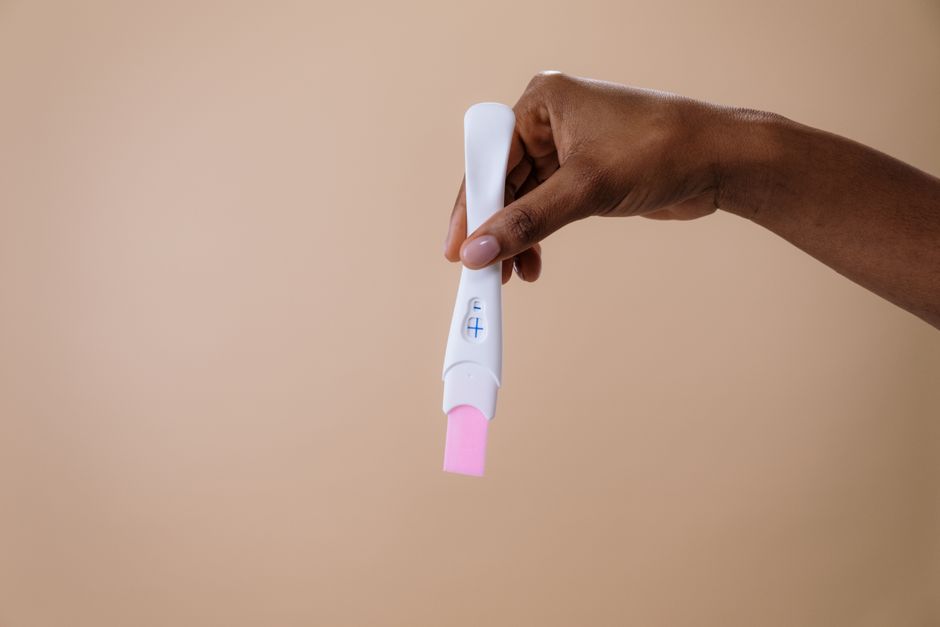
A man’s urine can sometimes trigger a positive result on a home pregnancy test, but not because he is pregnant. Home pregnancy tests detect a hormone called human chorionic gonadotropin, or hCG. In a normal pregnancy, hCG comes from the developing placenta.
In men, hCG can come from other sources. Certain tumors — including some testicular tumors and other cancers — can produce hCG. A positive pregnancy test in a man is a signal to see a doctor promptly, because it can point to a medical condition that needs evaluation.
There is also a common false positive: some tests can react to blood or protein in the urine, and a test read after the recommended time window can show a faint line that is not real. That is why the instructions on timing matter.
If a man takes a pregnancy test and it is positive, the correct next step is medical evaluation, not reassurance. The test is detecting hCG, and hCG in a man has to be explained.





What Causes Breast Tenderness Or Enlargement In Men?
Male breast tissue can grow and become tender, a condition called gynecomastia. It is common and has nothing to do with pregnancy. It happens when the balance between estrogen and testosterone shifts toward estrogen.
Known causes include:
- Medications — some drugs for heart conditions, ulcers, depression, and other conditions can raise the risk.
- Hormonal disorders — problems with the thyroid, liver, or kidneys can affect hormone balance.
- Obesity — extra body fat can increase estrogen production.
- Substances — alcohol, marijuana, and some other drugs have been linked to gynecomastia.
- Aging — hormone levels shift naturally with age.
In many cases the cause is never identified. Breast tenderness alone is not a pregnancy sign in a man. If it persists, changes, or comes with a lump, discharge, or skin changes, that warrants a doctor’s visit.
Why Does A Man’s Belly Swell?
A swollen belly in a man can have several causes, and none of them is a baby. Common explanations include gas and bloating, constipation, weight gain around the middle, and fluid retention. Fluid buildup in the abdomen, called ascites, is a more serious cause and is often linked to liver, heart, or kidney problems.
In rare cases, a large abdominal mass or tumor can cause visible swelling. This is not common, but it is one reason a new, persistent, unexplained belly swelling should be checked rather than ignored.
The pattern matters. Bloating that comes and goes with meals or bowel habits is usually not serious. Swelling that is new, growing, or paired with pain, weight loss, or feeling full quickly should be evaluated.
When Should A Man See A Doctor About These Symptoms?
Any pregnancy-like symptom in a man deserves a medical look if it is new, persistent, or unexplained. The symptoms themselves are not the concern — the underlying cause is.
See a doctor if you notice:
- A positive pregnancy test
- Breast enlargement, tenderness, or a lump
- Belly swelling that is new, growing, or painful
- Unexplained weight loss or weight gain
- Persistent nausea or vomiting
- Fatigue that does not improve with rest
- Any symptom that lasts more than a couple of weeks
Most of these turn out to have a treatable or harmless explanation. But a few — including hCG-producing tumors and fluid buildup from organ problems — are serious if missed. Getting checked is the reasonable move.
Is There Any Way A Man Could Carry A Pregnancy?
No. A biological male cannot carry a pregnancy, because there is no uterus for an embryo to implant in and no cervix or birth canal for delivery. This is anatomy, not opinion.
There is a separate and distinct situation involving transgender men — people assigned female at birth who identify as men. A transgender man who has not had certain surgeries may still have a uterus and ovaries and can become pregnant. That is not the same as a biological male becoming pregnant. The distinction matters because it is often blurred in headlines and online discussions.
For a person born male, pregnancy is not physically possible. Any symptoms that look like pregnancy signs have another cause.
Frequently Asked Questions
Can a man have pregnancy symptoms?
A man cannot have true pregnancy symptoms because he has no uterus or embryo. He can have symptoms that feel similar, such as nausea, fatigue, or belly swelling, and those have other causes.
What is couvade syndrome?
Couvade syndrome is when the partner of a pregnant woman develops pregnancy-like symptoms such as nausea, appetite changes, or weight gain. It is not pregnancy and is generally not dangerous.
Can a man test positive on a pregnancy test?
Yes, a man’s urine can sometimes trigger a positive result, usually because of a tumor that produces hCG or a false positive from blood or protein in the urine. A positive test in a man needs medical evaluation.
Why is my belly getting bigger if I am not pregnant?
Common causes include gas, constipation, weight gain, and fluid retention. New or growing belly swelling that does not go away should be checked by a doctor.
