

Yes, a person with diabetes can eat cornbread. But the type of cornbread matters a great deal, the portion matters, and what you eat with it matters too. Cornbread is a carbohydrate food, and carbohydrate is the nutrient that raises blood glucose most directly. Understanding how a specific cornbread affects your blood sugar is more useful than avoiding it altogether.
Most cornbread is made from cornmeal, flour, and some form of fat and liquid. The cornmeal and flour are both starches that digest into glucose. A typical square of homemade cornbread can carry a meaningful carbohydrate load, and many boxed mixes add sugar on top of that. The good news is that cornbread is not off-limits for most people with diabetes. It is a food to plan around, not a food to fear.
How Does Cornbread Affect Blood Sugar?
Cornbread raises blood glucose because it is largely made of starch. Starches are long chains of glucose molecules. During digestion, enzymes break those chains down, and the glucose enters your bloodstream.
How fast that happens depends on several things. Refined flour and added sugar digest quickly. Cornmeal is somewhat less refined, which slows things down a little. Fat in the recipe, such as butter or oil, also slows digestion and blunts the rise. Fiber helps too, but most cornbread is not a high-fiber food unless it is made with whole-grain cornmeal and little refined flour.
This is where a common assumption goes wrong. Many people assume that because corn is a vegetable, cornbread must be a vegetable food. It is not. By the time corn becomes cornmeal and then cornbread, it behaves much more like a grain or starch serving. For carbohydrate counting purposes, cornbread belongs in the starch category, not the vegetable category.
The size of the blood sugar rise varies from person to person. Two people can eat the same cornbread and see different glucose responses. That variability is normal and is one reason checking your own blood sugar after eating is more informative than any general rule.
How Much Carbohydrate Is In Cornbread?
A typical serving of cornbread contains a moderate amount of carbohydrate, but the exact number depends heavily on the recipe and the portion size. A small square made from a standard recipe often falls in the range of roughly 15 to 30 grams of carbohydrate. Boxed mixes and restaurant cornbread can run higher, especially sweetened versions.
The most reliable approach is to read the nutrition label on whatever you are eating. For homemade cornbread, measure your ingredients and portion the batch into equal squares so you know what one serving contains. Guessing at portion size is a common source of blood sugar surprises.
Here is a rough comparison of how different cornbread styles tend to differ:
| Type of cornbread | General carbohydrate pattern | What affects blood sugar most |
|---|---|---|
| Traditional homemade (cornmeal, flour, little or no sugar) | Moderate carbohydrate | Portion size and added fat |
| Sweetened homemade or boxed mix | Higher carbohydrate | Added sugar plus refined flour |
| Whole-grain cornmeal version | Moderate carbohydrate, more fiber | Fiber content and portion size |
| Restaurant cornbread (often larger and sweeter) | Higher carbohydrate | Large portion and added sugar |
These are general patterns, not fixed numbers. Always check the specific product or recipe you are using.
Can A Diabetic Have Cornbread Blood Sugar Facts?
Yes, a diabetic can have cornbread. The key is fitting it into your overall carbohydrate plan rather than treating it as a forbidden food. People with diabetes can eat carbohydrate foods, including starches, as long as the total amount and timing are managed.
There is no single rule that works for everyone. Some people manage blood sugar with carbohydrate counting, some with consistent meal patterns, and some with medication adjustments. How cornbread fits depends on which approach you use and how your body responds.
A few practical points apply broadly:
- Keep the portion modest and measure it rather than estimating.
- Choose cornbread with less added sugar when you have the option.
- Pair it with protein, fat, or fiber to slow the glucose rise.
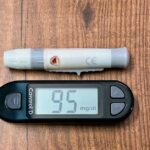
- Check your blood sugar after eating to see how your own body responds.
Blood sugar response to a specific food is individual. A portion that works well for one person may push another person’s glucose higher. Testing after meals gives you information you cannot get from a general guideline.




Does Cornbread Raise Blood Sugar More Than Other Breads?
Cornbread and wheat bread raise blood sugar in broadly similar ways because both are starch-based foods. Neither is inherently “safe” or “unsafe” for diabetes. What matters is the specific recipe, the portion, and the fiber content.
Whole-grain breads and whole-grain cornbread tend to contain more fiber than their refined counterparts, and fiber generally slows digestion and softens the glucose rise. Sweetened cornbread with added sugar can raise blood sugar faster than a plain, unsweetened version.
The evidence on specific bread comparisons is mixed and depends on the exact products tested. Rather than assuming one bread is always better, look at the carbohydrate and fiber content on the label and consider how much you are eating.
One point worth clarifying: the glycemic index, a measure of how quickly a food raises blood sugar, is often discussed as if it settles the question. It does not. Glycemic index values vary widely between recipes and testing methods, and the portion you eat still matters more than the index number alone.
How Can You Make Cornbread More Blood Sugar Friendly?
You can adjust a cornbread recipe to slow its effect on blood sugar. These changes do not make cornbread a low-carbohydrate food, but they can make the rise gentler.
- Use whole-grain cornmeal and reduce or replace some of the refined flour.
- Cut back on added sugar, or leave it out where the recipe allows.
- Add fiber-rich ingredients where they fit the recipe.
- Keep portions small and serve cornbread alongside protein and vegetables.
- Avoid eating cornbread alone on an empty stomach.
Pairing matters. A meal that combines cornbread with protein, healthy fat, and vegetables digests more slowly than cornbread eaten by itself. That slower digestion generally means a gentler glucose curve.
No recipe change turns cornbread into a free food. It remains a carbohydrate source, and portion control is the most reliable lever you have.
What Should You Watch For After Eating Cornbread?
Checking your blood sugar after eating cornbread tells you how your body handled that specific portion. Many people with diabetes check glucose about one to two hours after a meal, though the best timing depends on your care plan.
If your glucose rises more than expected, consider whether the portion was larger than you thought, whether the cornbread was sweetened, or whether you ate it without protein or fat. These are practical adjustments, not reasons to give up the food.
Talk with your diabetes care team about your target glucose ranges and how to interpret post-meal readings. Individual targets vary, and your clinician can help you set ones that fit your situation.
If cornbread consistently pushes your glucose well above your target range, that is useful information. It may mean a smaller portion works better, or that a different recipe suits you. The goal is a workable pattern, not perfection at every meal.
Frequently Asked Questions
Can a diabetic eat cornbread?
Yes, a person with diabetes can eat cornbread as part of a balanced eating plan. Portion size, added sugar, and what you eat with it all affect the blood sugar response.
How much cornbread can a diabetic eat?
There is no single portion that fits everyone, so measure a modest serving and check your blood sugar afterward. Your care team can help you fit cornbread into your carbohydrate plan.
Is cornbread better than white bread for diabetes?
Neither is automatically better, because both are starch-based foods that raise blood sugar. Whole-grain versions with more fiber and less added sugar tend to have a gentler effect.
Does cornbread spike blood sugar?
Cornbread can raise blood sugar because it is mostly starch, and sweetened versions can raise it faster. Pairing it with protein, fat, or fiber and keeping the portion small helps soften the rise.
