
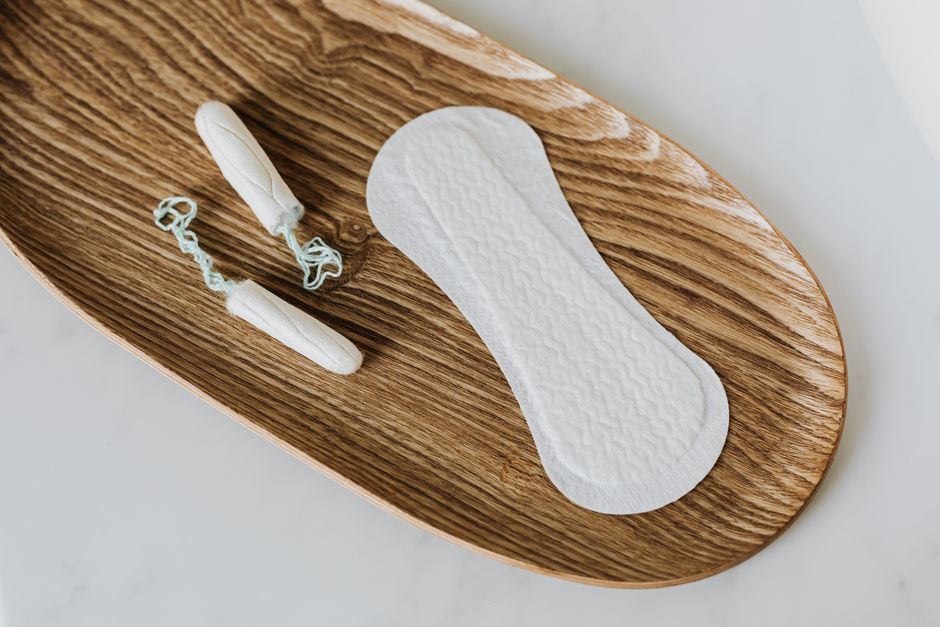
No, you are not supposed to flush tampons. Tampons are designed to absorb liquid and expand, which is exactly what they do inside a toilet pipe. They do not break down the way toilet paper does, and they are one of the most common causes of clogged household plumbing and municipal sewer blockages.
This is not a matter of opinion or etiquette. It is a straightforward plumbing and wastewater fact. Flushing a tampon sends a product into a system that was never built to handle it.
Are You Supposed To Flush Tampons?
No. Tampons should go in the trash, not the toilet. This applies to tampons with applicators, tampons without applicators, and any part of the tampon including the applicator and wrapper.
The reason comes down to material science. Toilet paper is manufactured to break apart quickly in water. It is often described as having a low wet strength, meaning it loses its structure within seconds to minutes of being submerged and agitated. Tampons are the opposite. They are built to hold their shape while saturated with fluid, because that is what allows them to work. A tampon can sit in water for a long time and still look like a tampon.
That durability is fine inside the body. It is a problem inside a pipe.
Wastewater systems rely on gravity, water volume, and the physical breakdown of waste to move material along. A tampon resists all three. It travels some distance, then catches on a rough spot, a root, or a bend in the pipe. Once it lodges, other material collects around it. That is how a single tampon becomes a full blockage.
What Actually Happens When You Flush a Tampon?
Sometimes nothing happens. That is the trap. A flushed tampon may clear your home’s plumbing and disappear from your life without any obvious consequence. People remember the times it worked and forget the times it did not.
When it does not work, the failure can happen in two places. The first is your own drain line. A tampon can catch in the trap under the toilet or further along the pipe, and the blockage builds gradually. You may notice slow draining before a full clog. Or you may notice nothing until water backs up.
The second place is the larger sewer system. Tampons that make it out of your home can combine with fats, oils, grease, and wipes to form large masses that block municipal pipes. These blockages can cause sewage to back up into streets, homes, and waterways. Clearing them is expensive, and that cost is usually shared by ratepayers.
There is a detail worth knowing here. Cotton and rayon, the main materials in tampons, do eventually break down in the environment, but that process takes far longer than the trip through a sewer system. “Biodegradable” and “flushable” are not the same claim. Something can break down over months in a landfill and still clog a pipe in an afternoon.
Why Do People Think Tampons Are Flushable?
Habit and packaging play a role. For decades, many public restrooms offered no obvious alternative. A stall might have a toilet and nothing else, so flushing felt like the only option. Some people grew up watching family members flush tampons and simply carried the habit forward.
Language adds to the confusion. Products labeled “flushable” are not held to a single national standard in the United States, and that label has been applied to items that wastewater operators say do not break down adequately. Tampons themselves are rarely labeled flushable, but the general noise around the word creates doubt.
The absence of visible consequences reinforces the belief. If you have flushed tampons for years without a problem, your experience feels like evidence. It is not. It is a small sample size. Plumbing blockages are often cumulative, and the pipe that has tolerated years of tampons may be quietly narrowing the whole time.





What Should You Do With a Used Tampon Instead?
Wrap it and put it in the trash. That is the whole answer.
Wrapping matters more than people expect. A tampon placed loose in a bathroom wastebasket can be visible and can carry odor. A piece of toilet paper, a tissue, or the tampon’s own wrapper is enough to contain it. Many public restrooms provide small bags or lined disposal bins specifically for this purpose.
If you are in a restroom with no bin, that is a real problem, and it is worth naming honestly. Some people flush in that situation because there is no other option in the moment. A reasonable fallback is to wrap the tampon thoroughly and carry it out to the nearest trash can, though this is inconvenient and not always practical.
For menstrual products generally, the same rule applies to pads, liners, and most wipes. None of them belong in the toilet.
Which Menstrual Products Can You Flush?
None of the standard menstrual products are designed for the toilet. This includes tampons, pads, panty liners, and menstrual cups, which must be emptied and rinsed rather than flushed.
Toilet paper is the only paper product routinely flushed in most households, and even that can cause problems in older plumbing or septic systems when used in large amounts. The list of things that should never go down a toilet is longer than most people assume.
- Tampons and tampon applicators
- Sanitary pads and panty liners
- Wipes, including those labeled flushable
- Cotton balls and cotton swabs
- Dental floss
- Hair
- Fats, oils, and grease from cooking
- Medications, which should be disposed of through proper take-back programs
Wipes deserve a specific mention. Even wipes marketed as flushable tend to hold together far better than toilet paper, and wastewater agencies have repeatedly reported them as a major source of blockages. The evidence from sewer operators is consistent on this point.
Does Flushing Tampons Cause Problems for Septic Systems?
Yes, and the stakes are higher than with municipal sewer lines. A septic system depends on a tank and a drain field, and it handles a limited volume of material. Anything that does not break down settles in the tank as additional solids, which means the tank fills faster and needs pumping more often.
Tampons that pass through the tank can move into the drain field, where they can contribute to clogging. Drain field repairs or replacement are among the most expensive home repairs a septic owner can face. Avoiding tampons in the system is one of the simplest ways to reduce that risk.
Septic systems are also more sensitive to volume. Flushing a tampon adds solid material without adding much water to move it along, which is the opposite of what these systems handle well.
What About the Environmental Impact?
Flushing a tampon does not make it disappear. It moves the problem downstream, where it either contributes to a blockage or ends up in a wastewater treatment facility. Treatment plants are designed to handle human waste and toilet paper, not durable absorbent products, and many of these items are screened out and sent to landfills anyway.
When blockages cause sewer overflows, untreated sewage can reach rivers, streams, and coastal waters. That is a genuine environmental harm, and it is one of the reasons wastewater agencies run public education campaigns about what not to flush.
The trash is not a perfect destination either. Used menstrual products generally end up in landfills, and the environmental footprint of disposable menstrual products is a legitimate concern. That is a separate conversation from the flushing question, and it is worth having. Reusable options like menstrual cups and period underwear exist, and while they carry their own tradeoffs around cost, cleaning, and convenience, they avoid the flush problem entirely.
Why Does This Matter More Than People Realize?
The individual act feels small. The aggregate effect is not. Wastewater operators consistently rank hygiene products, wipes, and grease among the leading causes of system blockages, and the costs of clearing those blockages land on everyone.
There is also a household cost that rarely gets connected to the habit. A plumber called to clear a main line blockage is an expense most people would rather avoid, and repeated blockages can damage pipes over time.
The fix requires no product, no purchase, and no learning curve. It requires a trash can within reach of the toilet. That single change solves the problem completely.
Frequently Asked Questions
Can you flush tampons down the toilet?
No, tampons should never be flushed because they do not break down in water and commonly cause blockages in household pipes and sewer systems. They belong in the trash, wrapped for hygiene.
What happens if you accidentally flush a tampon?
It may pass through without issue, or it may catch in the pipe and contribute to a clog that builds over time. If you notice slow draining or repeated backups, a plumber can check whether a blockage has formed.
Are flushable wipes actually safe to flush?
Wastewater operators report that many wipes labeled flushable do not break down fast enough and contribute to blockages. The label is not a reliable guarantee that a product is safe for plumbing or sewer systems.
Do tampons break down in a septic system?
They break down far too slowly to be safe for a septic system, and they add solids that can fill the tank faster and potentially clog the drain field. They should go in the trash instead.
