
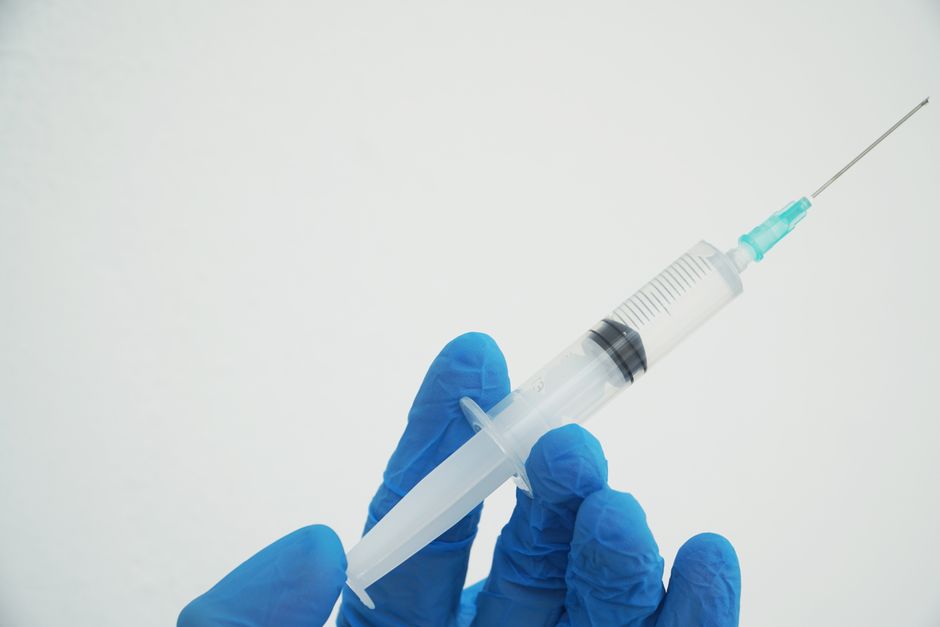
Testosterone injections can be given either intramuscularly (into the muscle) or subcutaneously (into the fat layer just under the skin). Both routes deliver the same medication and both raise blood testosterone levels. The choice depends on the formulation, the dose, and patient and clinician preference rather than on one route being clearly superior for everyone.
Most traditional testosterone injections in the United States are labeled for intramuscular use. Subcutaneous injection has become common in clinical practice, particularly with smaller, more frequent doses. The evidence base for subcutaneous use is smaller than for intramuscular use, though it has grown over the past decade.
Are Testosterone Injections Intramuscular Or Subcutaneous?
Both routes are used, and neither is universally “correct.” The answer depends on which product is being injected and how it is prescribed.
Testosterone cypionate and testosterone enanthate are the two most commonly used injectable esters in the US. Their FDA-approved labeling describes intramuscular administration. That labeling reflects the studies submitted for approval, not a finding that subcutaneous injection fails to work.
In practice, many clinicians now prescribe these same products for subcutaneous injection, often at smaller doses given more frequently. This is sometimes called “off-label” use of the route, even though the drug itself is approved. It is a distinction worth understanding: the medication is legitimate and prescribed; the injection route differs from the label.
Testosterone undecanoate, a longer-acting injectable, is approved for intramuscular administration only, given as a large-volume injection into the gluteal muscle. It is not a candidate for subcutaneous use because of the volume involved.
How Do Intramuscular and Subcutaneous Injection Differ?
The two routes differ in where the needle delivers the drug and how quickly it enters the bloodstream.
Muscle tissue has a richer blood supply than the fat layer under the skin. An intramuscular injection generally reaches circulation somewhat faster. A subcutaneous injection is absorbed more slowly. For testosterone, which is typically released gradually from the injection site over days, these differences are modest and are smoothed out by the ester attached to the hormone.
The practical differences matter more than the pharmacokinetic ones:
- Needle size. Intramuscular injections use a longer needle to reach muscle depth. Subcutaneous injections use a short, fine needle.
- Injection sites. Intramuscular sites include the upper outer buttock (gluteal) and the outer thigh (vastus lateralis). Subcutaneous sites include the abdomen and thigh.
- Comfort. Many people report less discomfort with subcutaneous injections, largely because the needle is smaller.
- Self-administration. Subcutaneous injection is generally easier to self-administer, which is one reason it has gained popularity.
One clarification worth making: the idea that intramuscular injection is “stronger” is not accurate. The same dose of the same drug produces comparable blood levels over time. What changes is the shape of the absorption curve, not the total amount delivered.
Which Route Does the Evidence Support?
Intramuscular injection has the larger evidence base because it is what most clinical trials used. Subcutaneous use is supported by a smaller but growing body of research.
Some studies comparing the two routes in men receiving testosterone for low testosterone have found similar effects on blood testosterone levels, with subcutaneous injection sometimes producing steadier levels between doses. Other studies have reported comparable tolerability. The evidence is not large enough to declare one route superior across all patients and products.
What the research does not show is any meaningful difference in the hormone’s effect on the body when blood levels are matched. Testosterone does not “know” where it entered. Once absorbed, it behaves the same way.
This is where the honest position matters. Subcutaneous testosterone injection is widely used and appears effective in practice, but it has not been studied as extensively as intramuscular injection. Anyone told that subcutaneous injection is definitively better, or definitively worse, is being given an opinion dressed as a fact.
What Are the Pros and Cons of Each Route?
Each route has practical trade-offs that matter for daily life and adherence.
| Feature | Intramuscular | Subcutaneous |
|---|---|---|
| Needle length | Longer (to reach muscle) | Short and fine |
| Typical injection sites | Gluteal, outer thigh | Abdomen, thigh |
| Ease of self-injection | Harder, especially gluteal | Generally easier |
| Absorption | Faster into circulation | Slower, more gradual |
| Evidence base | Larger | Smaller but growing |
| Typical dosing pattern | Larger doses, less frequent | Smaller doses, more frequent |
Intramuscular injection is well established and appropriate for people who prefer fewer, larger doses or who are using a product labeled that way. Its drawbacks include a larger needle, more discomfort for some, and greater difficulty with self-injection into the gluteal muscle.
Subcutaneous injection offers a smaller needle and easier self-administration. Its drawbacks are the smaller evidence base and the need for more frequent dosing in many regimens. More frequent, smaller doses can also produce steadier hormone levels, which some clinicians consider an advantage for managing symptoms and side effects.
What Are the Risks of Each Route?
Both routes carry the same general risks of testosterone therapy, plus some route-specific ones.
Shared risks of testosterone therapy include effects on red blood cell production, blood pressure, and cholesterol, along with possible skin changes and effects on fertility. These are properties of the hormone, not the injection route. Anyone starting testosterone therapy should have baseline blood work and monitoring, and should discuss risks with a clinician.
Route-specific risks:
- Intramuscular. Muscle soreness, bruising, and rare injury to nerves or blood vessels if the site is chosen poorly. There is a small risk of oil-based product entering a blood vessel if the needle is not properly placed.
- Subcutaneous. Redness, small lumps, and irritation at the injection site. These are usually minor and resolve on their own.
Injection technique matters for both routes. Proper site rotation, clean technique, and correct needle selection reduce complications. A clinician or nurse can teach self-injection, and many people benefit from a hands-on demonstration rather than written instructions alone.
How Do You Decide Which Route to Use?
The decision is best made with a clinician who knows your health history and the product being prescribed.
Factors that commonly shape the choice include the specific testosterone product, the dose and dosing schedule, comfort with self-injection, prior experience, and how well hormone levels are controlled on a given regimen. Someone who struggles with gluteal self-injection may do better with subcutaneous dosing. Someone using a product labeled for intramuscular use may simply continue with that route.
No clinical guidelines currently state that one route should be used for all patients. The choice is individualized, and switching routes is possible if one is not working well.
One point deserves emphasis: the route is a detail, not the main event. What matters most for outcomes is achieving and maintaining appropriate blood testosterone levels, monitoring for side effects, and following up with blood work. The injection route is a tool for getting there.
Frequently Asked Questions
Can testosterone cypionate be injected subcutaneously?
Yes, it is commonly prescribed that way, though the product labeling describes intramuscular use. Many clinicians use subcutaneous injection with smaller, more frequent doses.
Is subcutaneous testosterone as effective as intramuscular?
Some studies suggest comparable blood levels and effects, but the evidence base is smaller than for intramuscular injection. The evidence does not show one route is clearly superior.
Does subcutaneous testosterone injection hurt less?
Many people report less discomfort because the needle is shorter and finer. Individual experience varies.
Which injection site is best for testosterone?
Intramuscular injection typically uses the gluteal or outer thigh muscle, while subcutaneous injection uses the abdomen or thigh. The best site depends on the route and your clinician’s guidance.
