
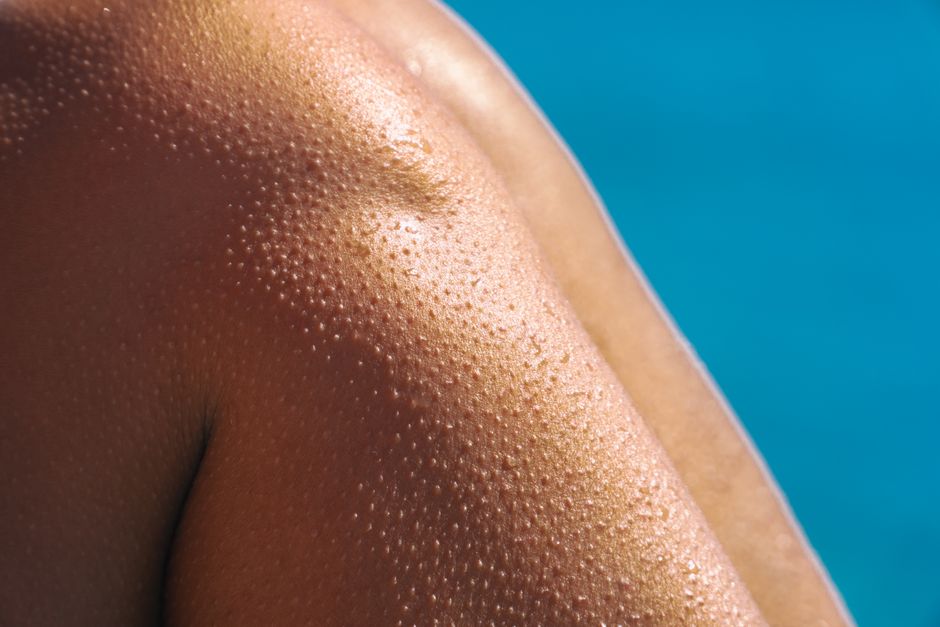
Tanning beds are bad for you. The ultraviolet (UV) radiation they emit damages your skin’s DNA and significantly increases your risk of skin cancer, including melanoma. Using a tanning bed before age 35 raises your lifetime risk of melanoma by a substantial margin, and the World Health Organization classifies tanning devices as Group 1 carcinogens — the same category as tobacco and asbestos.
What Does Ultraviolet Radiation Actually Do to Your Skin?
Tanning beds emit both UVA and UVB radiation. UVA rays penetrate deeper into the skin, while UVB rays affect the surface layers. Both types damage the DNA in your skin cells.
When UV radiation hits your skin, it causes direct damage to the genetic material inside your cells. Your body tries to repair this damage, but the repair process isn’t perfect. Over time, errors accumulate. Some of these errors trigger the uncontrolled cell growth we call cancer.
The tan itself is a sign of damage, not health. Your skin produces melanin — the pigment that darkens your skin — as a protective response to injury. A tan is your skin’s emergency defense mechanism, not a sign of vitality.
Are Tanning Beds Bad For You Compared to the Sun?
Tanning beds are not safer than the sun. In many ways, they are more dangerous.
A tanning bed can deliver UVA radiation at intensity levels up to three times stronger than midday sun. This concentrated exposure means you receive a high dose of radiation in a short session. Some dermatologists describe one indoor tanning session as equivalent to spending an entire day in direct sunlight.
The type of radiation also matters. Sunlight contains a mix of UVA and UVB. Tanning beds are often weighted more heavily toward UVA. UVA penetrates deeper into the skin and is strongly linked to melanoma, the most dangerous form of skin cancer.
What Are the Proven Health Risks of Tanning Beds?
Research consistently shows tanning beds cause skin cancer. This is not a theoretical risk. The evidence is clear and long-established.
Studies have found that people who use tanning beds have a higher risk of developing:
- Melanoma — the deadliest form of skin cancer
- Squamous cell carcinoma — the second most common skin cancer
- Basal cell carcinoma — the most common skin cancer
The International Agency for Research on Cancer, part of the World Health Organization, classified tanning devices as carcinogenic to humans in 2009. That classification has not changed. It places tanning beds in the highest category of cancer risk.
Skin cancer is not the only concern. Tanning beds cause premature skin aging. UVA radiation breaks down collagen and elastin, the proteins that keep skin firm and elastic. The result is wrinkling, sagging, and leathery skin that appears years older than it should.
Eye damage is another documented risk. Tanning beds can cause cataracts and damage to the retina if you do not wear proper eye protection. Many tanning salons provide goggles, but not everyone uses them consistently.





Is There Such a Thing as a Safe Tanning Bed?
No. There is no safe tanning bed.
Some salons market “low-pressure” or “high-pressure” beds as safer options. These terms refer to the type of bulbs used, not the safety of the device. High-pressure beds emit mostly UVA. Low-pressure beds emit both UVA and UVB. Neither is safe.
Some people believe that burning is the only harmful response and that a tan without burning is harmless. This is incorrect. DNA damage occurs during tanning sessions that do not produce a burn. The damage is simply less visible.
Marketing claims about “safe UV exposure” or “controlled tanning” have no basis in clinical evidence. No study has shown that tanning beds can provide a tan without increasing cancer risk.
Can Tanning Beds Provide Vitamin D?
Tanning beds are not a recommended way to get vitamin D. This is a common claim from the tanning industry, but it does not hold up to scrutiny.
Your body does produce vitamin D when UVB radiation hits your skin. Tanning beds that emit UVB can trigger this process. However, the amount of vitamin D produced depends on many variables, including your skin type, the specific machine, and the length of the session.
The risk does not justify the benefit. You can get vitamin D from food, supplements, and brief sun exposure without the documented cancer risk of tanning beds. Dermatologists do not recommend tanning beds for vitamin D production.
If you are concerned about vitamin D levels, talk to your doctor about a blood test. Supplementation is a safe and effective option for most people.
Who Is Most at Risk From Tanning Beds?
Young people face the highest relative risk. Using a tanning bed before age 35 increases your lifetime risk of melanoma significantly. The earlier you start, the greater your cumulative exposure over a lifetime.
People with fair skin, light hair, and light eyes have less natural protection from UV radiation. They burn more easily and face higher risk from any UV exposure, including tanning beds.
People with a personal or family history of skin cancer should avoid tanning beds entirely. The same applies to people with many moles or atypical moles. These factors already increase melanoma risk, and tanning beds add to that burden.
If you are pregnant, there is no established safe level of UV exposure from tanning beds. No clinical guidelines support their use during pregnancy. The primary concern is the same cancer risk that applies to everyone, not a specific risk to the fetus.
What Are the Alternatives to Tanning Beds?
If you want the appearance of a tan without UV exposure, you have safe options.
Self-tanning lotions, sprays, and mousses contain dihydroxyacetone (DHA). DHA reacts with amino acids on the surface of your skin to produce a temporary brown color. It does not penetrate beyond the outermost skin layer, and it does not cause DNA damage.
Professional spray tans work the same way. The color typically lasts five to seven days and fades as your skin naturally sheds dead cells.
These products are not without considerations. Some people experience skin irritation or allergic reactions. But the cancer risk associated with UV tanning is not present with DHA-based products.
No evidence suggests that DHA in approved concentrations poses a health risk when applied to the skin. The FDA has approved DHA for external application. Avoid getting spray tan solutions in your eyes, mouth, or nose.
How Do Tanning Beds Affect Skin Aging Specifically?
UV radiation accelerates skin aging through a process called photoaging. This is separate from chronological aging — the natural aging that happens over time regardless of sun exposure.
UVA radiation penetrates into the dermis, the deeper layer of skin. There, it generates reactive oxygen species that break down collagen and elastin fibers. These fibers form the structural support of your skin. When they degrade, skin loses firmness and develops wrinkles.
Photoaging also causes uneven pigmentation. Dark spots, freckles, and blotchy discoloration are common in people who use tanning beds regularly. These changes can appear within a few years of regular use.
The visible aging effects of tanning beds are cumulative. The more sessions you have, the more damage accumulates. Unlike some sun damage that happens during childhood, tanning bed damage often appears in early adulthood — precisely when people are most likely to use these devices.
Frequently Asked Questions
Do tanning beds cause cancer?
Yes. Tanning beds emit UV radiation that damages DNA and is classified as carcinogenic by the World Health Organization. They increase the risk of melanoma, squamous cell carcinoma, and basal cell carcinoma.
Are tanning beds worse than the sun?
Tanning beds can be more dangerous than the sun because they deliver concentrated UVA radiation at intensities up to three times stronger than midday sun. The WHO classifies them in the same cancer risk category as tobacco.
Can you get vitamin D from a tanning bed?
Tanning beds can trigger vitamin D production, but they are not a recommended source. The cancer risk outweighs any benefit, and food, supplements, or brief sun exposure are safer options.
What happens if you use a tanning bed once?
A single session causes DNA damage to your skin cells. Your body may repair most of it, but the damage is real and accumulates with every additional session.
