
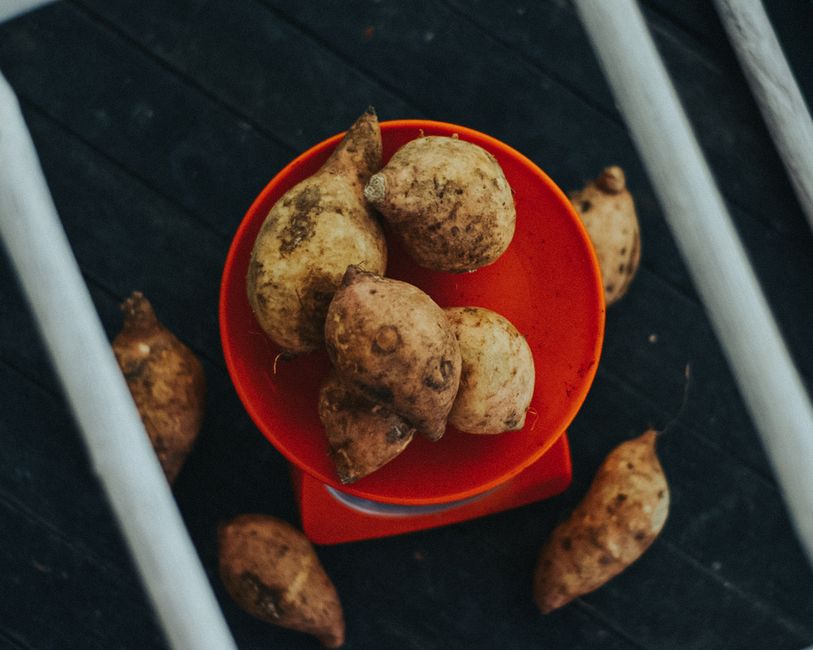
Yes, sweet potatoes can help with weight loss when eaten the right way. They are nutrient-dense, high in fiber, and naturally filling — all of which support weight management. But no single food causes weight loss on its own. What matters is how sweet potatoes fit into your overall diet and daily calorie balance.
What Makes Sweet Potatoes Good for Weight Loss?
Sweet potatoes have a few key qualities that make them a smart choice for weight management. First, they are high in fiber — about 4 grams per medium potato — which helps you feel full longer. Fiber slows down digestion and keeps blood sugar more stable after a meal. This can reduce cravings and prevent overeating later in the day.
They also have a low to medium glycemic index depending on how you cook them. Boiled sweet potatoes have a glycemic index around 44, which is low. Baked sweet potatoes are higher at about 70. The lower the glycemic index, the smaller the blood sugar spike. Smaller spikes mean less insulin released, and lower insulin levels make it easier for your body to burn stored fat.
Another factor is water content. Sweet potatoes are roughly 77% water. High water volume adds weight to your meal without adding many calories. This can help you feel satisfied with fewer total calories. The Centers for Disease Control and Prevention lists sweet potatoes as a nutrient-dense food that supports healthy weight management.
How Many Calories Are in a Sweet Potato?
A medium sweet potato (about 150 grams) has roughly 115 calories. That is less than a white potato of the same size, which has about 130 calories. The difference is small but real. More importantly, sweet potatoes deliver more fiber and vitamin A per calorie than white potatoes.
One medium sweet potato also provides over 400% of your daily vitamin A needs, plus vitamin C, manganese, potassium, and B vitamins. These nutrients support metabolism and energy production. When you eat nutrient-dense foods, your body gets what it needs without demanding extra food to fill nutrient gaps.
The calorie count changes dramatically based on preparation. A plain baked sweet potato is around 115 calories. But add butter, brown sugar, marshmallows, or oil and the calories can triple quickly. A loaded sweet potato casserole can have 400 to 600 calories per serving. The sweet potato itself is not the problem — it is what you add to it.
Does the Way You Cook Sweet Potatoes Matter for Weight Loss?
Yes, cooking method changes both the calorie content and how your body processes the starch. Boiling is the best method for weight loss. Boiled sweet potatoes have the lowest glycemic index because the heat breaks down starch in a way that makes it harder to digest quickly. This keeps blood sugar more stable.
Baking or roasting concentrates the natural sugars. The water evaporates, so the sugar content becomes more dense. This raises the glycemic index. A baked sweet potato can spike blood sugar more than a boiled one. If you are trying to manage weight or blood sugar, boiled or steamed sweet potatoes are the better choice.
Frying sweet potatoes as fries or chips adds significant fat and calories. A serving of sweet potato fries can have 200 to 300 calories from oil alone. The fiber benefits remain, but the added fat and calories can cancel out the weight loss advantages. Research published in the journal Nutrients found that fried sweet potatoes lose some of their nutritional value and gain unhealthy trans fats depending on the oil used.
Mashing sweet potatoes with butter and cream also adds calories. A plain mashed sweet potato with a little cinnamon is fine. But traditional mashed sweet potato recipes often add sugar and butter, turning a healthy food into a calorie-dense dish.





Can Sweet Potatoes Help Control Cravings and Appetite?
Several studies suggest that sweet potatoes can help with appetite control. A 2018 study in the Journal of Medicinal Food found that sweet potato extract reduced hunger hormones in rats. Human studies are more limited but show similar patterns. The fiber and complex carbohydrates in sweet potatoes slow stomach emptying, which keeps you feeling full for hours after eating.
Sweet potatoes also contain a type of carbohydrate called resistant starch. Resistant starch resists digestion in the small intestine and travels to the colon where it feeds beneficial gut bacteria. This process produces short-chain fatty acids that may reduce appetite and improve metabolism. Boiling then cooling sweet potatoes increases their resistant starch content. Cold sweet potato salad has more resistant starch than a hot baked sweet potato.
One practical benefit: people who eat sweet potatoes with a meal often eat less total food at that meal. A 2019 study in the British Journal of Nutrition found that replacing white potatoes with sweet potatoes led to lower total calorie intake at the next meal. The effect was modest but consistent across participants.
Are Sweet Potatoes Better Than White Potatoes for Weight Loss?
This is a common question with a nuanced answer. The table below compares the two for weight loss factors.
| Factor | Sweet Potato (medium, baked) | White Potato (medium, baked) |
|---|---|---|
| Calories | 115 | 130 |
| Fiber | 4 grams | 3 grams |
| Glycemic Index | 70 (baked), 44 (boiled) | 78 (baked), 56 (boiled) |
| Vitamin A | Over 400% DV | 0% DV |
| Water Content | 77% | 79% |
| Protein | 2 grams | 3 grams |
Sweet potatoes have a slight edge in fiber and vitamin density. But white potatoes are not bad for weight loss either. Both are whole foods that can fit into a weight loss diet. The bigger issue is how each is prepared. French fries and potato chips are the problem, not the potato itself.
Some people report that sweet potatoes satisfy their sweet cravings better than white potatoes. The natural sweetness can reduce the desire for sugary desserts. This is a real but individual effect. There is no large study confirming this, but many dietitians report it anecdotally.
What Is the Best Way to Eat Sweet Potatoes for Weight Loss?
Here are practical guidelines based on current evidence:
- Eat the skin. The skin contains most of the fiber. Peeled sweet potatoes have about half the fiber of unpeeled ones.
- Boil or steam instead of baking or frying. Boiling preserves the lowest glycemic response.
- Let them cool before eating. Cooling increases resistant starch, which feeds gut bacteria and may reduce appetite.
- Pair them with protein and healthy fat. Adding chicken, beans, or avocado to a sweet potato meal slows digestion further and keeps blood sugar stable.
- Avoid adding sugar. Cinnamon, nutmeg, or a small amount of salt are fine. Brown sugar and marshmallows turn a health food into a dessert.
- Watch portion size. One medium sweet potato per meal is a reasonable serving. Eating three large sweet potatoes a day adds up to over 300 calories from carbs alone.
A simple weight loss meal: boiled sweet potato cubes with black beans, grilled chicken, and a handful of spinach. This meal has fiber, protein, and vegetables in one dish. It keeps you full for four to five hours without snacking.
Are There Any Downsides to Eating Sweet Potatoes for Weight Loss?
Sweet potatoes are generally safe and healthy for most people. But there are a few things to consider. People with kidney disease may need to limit sweet potatoes because they are high in potassium. The National Kidney Foundation advises people with chronic kidney disease to watch potassium intake. If you have kidney issues, check with your doctor before increasing sweet potato consumption.
Some people experience bloating or gas from sweet potatoes. This is usually due to the high fiber content. If you are not used to eating much fiber, start with half a sweet potato per day and increase slowly. Drink plenty of water to help fiber move through your digestive system.
Sweet potatoes are also relatively high in carbohydrates. A low-carb or keto diet may not include sweet potatoes at all. One medium sweet potato has about 27 grams of carbs. If you are on a strict low-carb plan, this may exceed your daily carb limit. But for most people on a balanced weight loss diet, 27 grams of carbs from a whole food is perfectly fine.
There is a common misconception that sweet potatoes are a “superfood” that burns fat on their own. This is not true. No food burns fat directly. Weight loss happens when you eat fewer calories than you burn over time. Sweet potatoes can help you do that because they are filling and nutrient-dense, but they do not cause weight loss by themselves.
Frequently Asked Questions
Are sweet potatoes good for weight loss or weight gain?
Sweet potatoes are good for weight loss when eaten in moderate portions without added sugar or fat. They are filling and nutrient-dense, which helps control overall calorie intake.
How many sweet potatoes can I eat a day for weight loss?
One medium sweet potato per day is a reasonable amount for most people on a weight loss diet. Eating more than two can add excess calories and carbohydrates.
Is it better to eat sweet potatoes at night for weight loss?
There is no evidence that eating sweet potatoes at night causes weight gain. What matters is your total daily calorie intake, not the time you eat them.
Do sweet potatoes have more sugar than white potatoes?
Sweet potatoes have slightly more natural sugar than white potatoes, about 7 grams versus 2 grams per medium potato. The fiber in sweet potatoes slows sugar absorption significantly.
