
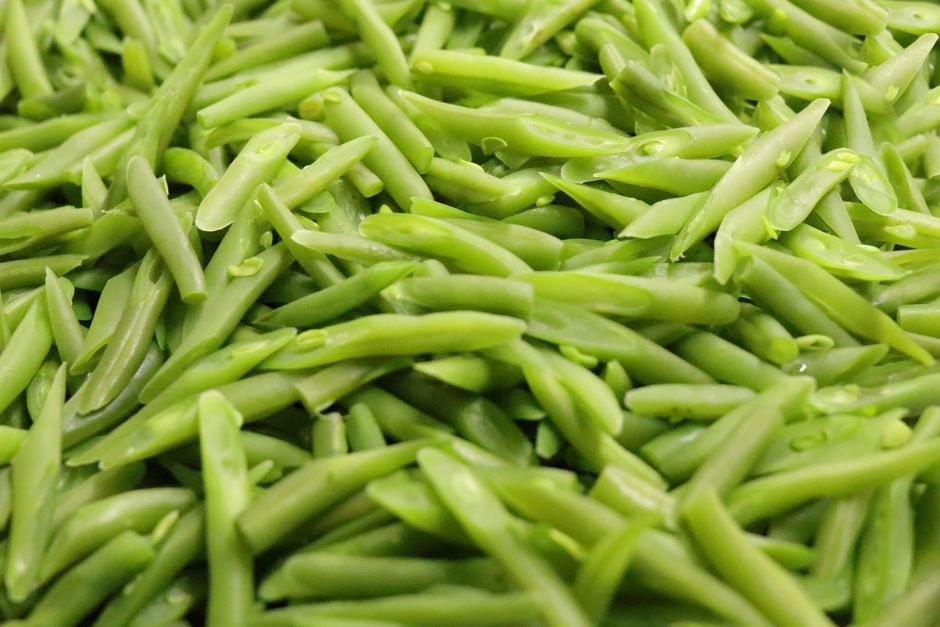
String beans are a healthy, low-calorie vegetable that most people can eat daily without concern. They provide a solid mix of fiber, vitamins, and minerals for very few calories. The evidence supporting them as part of a balanced diet is strong and consistent.
What Are the Main Nutrients in String Beans?
String beans, also called green beans or snap beans, are the unripe pods of the common bean plant. A one-cup serving of raw green beans contains about 31 calories. That same serving provides roughly 2.7 grams of fiber and about 2 grams of protein.
The vitamin profile is notable. One cup of raw green beans gives you about 14 percent of your daily vitamin C needs and around 14 percent of your vitamin K needs. They also contain folate, vitamin A, and small amounts of B vitamins. On the mineral side, you get manganese, potassium, and a little iron and calcium.
These numbers come from USDA food composition data, which is the standard reference for nutrient values. The exact amounts vary slightly by variety and growing conditions, but the overall pattern stays the same: high volume, low calories, decent fiber.
Are String Beans Healthy for Weight Management?
Yes, for a simple reason. They are very low in calories but take up space in your stomach. The fiber and water content create a feeling of fullness without adding significant energy to your daily intake.
One cup of cooked green beans has about 44 calories. You would need to eat several cups to make a meaningful dent in your daily calorie budget. That is a practical advantage for people trying to manage their weight.
The fiber also slows digestion. This helps stabilize blood sugar after meals compared to eating refined carbohydrates alone. The effect is modest, but it is real and consistent with how fiber works in the digestive tract.
No food alone causes weight loss. But replacing higher-calorie sides with string beans is a straightforward swap that reduces total calorie intake. That is the mechanism that matters.
Do String Beans Have Any Hidden Risks?
Raw string beans contain a compound called lectin, specifically phytohemagglutinin. In large amounts, lectins can cause nausea, vomiting, and diarrhea. This is the same compound that makes raw kidney beans dangerous.
String beans have much lower lectin levels than kidney beans. Still, eating large quantities of raw string beans is not advisable. Cooking destroys most of the lectin content. Boiling, steaming, or sautéing until the beans are tender eliminates the practical risk.
Most people eat string beans cooked, so this is rarely an issue. But if you snack on raw beans straight from the garden, know that cooking is the safer choice. The evidence on lectin toxicity is well established in food science literature.
One more consideration: string beans contain vitamin K. People taking blood thinners like warfarin need to keep their vitamin K intake consistent. That does not mean avoiding string beans. It means eating a similar amount from week to week so your medication dosing stays stable. Talk to your doctor if you take blood thinners and have questions about dietary vitamin K.




How Do String Beans Compare to Other Vegetables?
String beans are good, but they are not the single most nutrient-dense vegetable you can eat. Dark leafy greens like spinach and kale contain more vitamins per calorie. Cruciferous vegetables like broccoli offer different beneficial compounds.
Here is how they compare on key nutrients per 100 grams, using USDA data:
| Vegetable | Calories | Fiber (g) | Vitamin C (mg) | Folate (mcg) |
|---|---|---|---|---|
| String beans | 31 | 2.7 | 12.2 | 33 |
| Broccoli | 34 | 2.6 | 89.2 | 63 |
| Spinach | 23 | 2.2 | 28.1 | 194 |
| Carrots | 41 | 2.8 | 5.9 | 19 |
The takeaway is not that string beans are inferior. It is that variety matters. String beans are a perfectly reasonable vegetable choice. They just do not outperform every other option on every nutrient. Eating a rotation of different vegetables gives you a broader nutrient profile than relying on any single one.
Are Canned or Frozen String Beans as Healthy as Fresh?
Frozen string beans are nutritionally close to fresh. They are typically blanched before freezing, which preserves most nutrients. Some vitamin C is lost in the blanching water, but the difference is not clinically meaningful for most people.
Canned string beans are a different story. The canning process involves high heat for extended periods, which degrades heat-sensitive vitamins like vitamin C and folate. Canned versions also often contain added sodium. A half-cup serving of canned green beans can have 300 to 400 milligrams of sodium, compared to nearly none in fresh or frozen.
If canned beans are your only option, rinse them before eating. Rinsing can remove a meaningful portion of the added sodium. Look for “no salt added” labels when possible.
For most people, fresh or frozen string beans are the better choice. The nutrient content is higher, and you control the seasoning. But canned beans are not worthless. They still provide fiber and some minerals, and they are affordable and shelf-stable.
Are String Beans Healthy for People with Blood Sugar Issues?
String beans are a low-glycemic food. The glycemic index of green beans is estimated around 15 to 30, which is considered low. This means they do not cause a rapid spike in blood sugar after eating.
The fiber content contributes to this effect. Fiber slows the absorption of sugars into the bloodstream. The water content also dilutes the overall carbohydrate density.
A full cup of cooked green beans contains about 10 grams of carbohydrate, of which roughly 4 grams are fiber. That leaves about 6 grams of net carbohydrate. For comparison, a slice of white bread has about 15 grams of net carbohydrate.
This makes string beans a practical vegetable choice for people managing diabetes or prediabetes. They add volume and nutrients to a meal without demanding much of your blood sugar response. No single food cures diabetes, but choosing low-glycemic vegetables consistently is part of a sensible dietary pattern.
What Is the Best Way to Cook String Beans?
Steaming and sautéing are the methods that preserve the most nutrients. Boiling in a large pot of water leaches water-soluble vitamins like vitamin C and folate into the cooking water. If you pour that water down the drain, you lose those nutrients.
Steaming for 5 to 7 minutes until crisp-tender is a solid approach. Sautéing in a small amount of olive oil with garlic works well too. The oil adds healthy fat, which helps your body absorb the fat-soluble vitamins like vitamin A and vitamin K found in the beans.
Microwaving is also effective. A 2019 study in the Journal of Food Science found that microwaving preserved more antioxidants in green beans than boiling or pressure cooking. The short cooking time and minimal water exposure explain this difference.
Avoid cooking string beans until they turn mushy. Overcooking degrades nutrients and changes the texture in ways most people find unappealing. Cook until bright green and still slightly crisp.
How Many String Beans Should You Eat?
There is no specific recommended serving size for string beans alone. The general dietary guidance is to eat 2 to 3 cups of vegetables per day for most adults. String beans can count toward that total.
A reasonable serving is about one cup of cooked beans. That gives you a meaningful portion of fiber and vitamins without displacing other foods you need.
Eating more than that is not harmful for most people. The main practical limit is that beans take up stomach space. If you fill up entirely on beans, you may have less room for protein, healthy fats, and other vegetables. Balance matters more than any single food.
Frequently Asked Questions
Are string beans good for you every day?
Yes, eating string beans daily is fine for most people. They are low in calories and provide fiber and vitamins without meaningful downsides.
Can you eat string beans raw?
Raw string beans are safe in small amounts but contain lectins that can cause digestive upset. Cooking destroys these compounds and is the safer choice.
Are string beans keto-friendly?
Yes, a one-cup serving of cooked string beans has about 6 grams of net carbohydrates. This fits within standard ketogenic diet limits.
Do string beans cause gas?
String beans can cause gas in some people because they contain certain carbohydrates that ferment in the colon. Cooking them well and eating them regularly can reduce this effect.
