
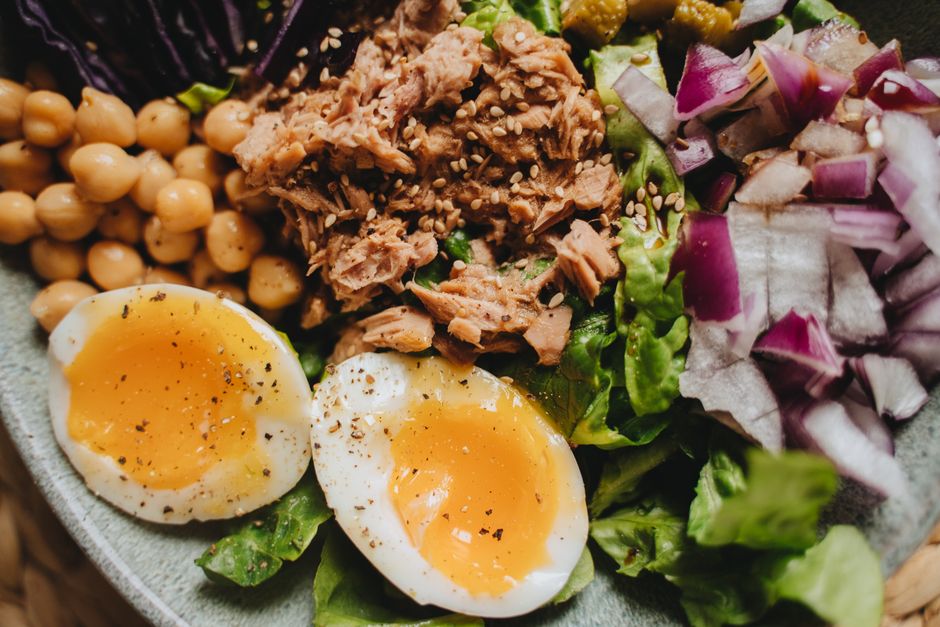
Are soft boiled eggs safe? The answer depends almost entirely on one thing: whether the egg was pasteurized. A pasteurized soft boiled egg is safe for most people, including pregnant women and young children. An unpasteurized soft boiled egg carries a real, measurable risk of Salmonella infection because the yolk never gets hot enough to kill bacteria.
That single distinction matters more than cooking time, egg color, or how the egg was stored. Most food safety agencies treat runny eggs as a risk food for anyone in a vulnerable group. Pasteurized eggs change that calculation completely.
What Makes Soft Boiled Eggs Risky?
Salmonella can live inside a hen’s reproductive tract and end up inside a perfectly clean-looking egg before the shell ever forms. This is why washing the shell does not eliminate the risk. The bacteria can be in the yolk itself.
Killing Salmonella requires heat. The problem with soft boiling is that the yolk is deliberately kept below the temperature needed to reliably destroy the bacteria. A fully cooked hard boiled egg reaches a temperature throughout that inactivates Salmonella. A soft boiled egg does not.
According to the USDA, eggs must reach 160°F (71°C) to be considered safely cooked. A soft boiled egg yolk typically sits well below that. The white may set at a lower temperature, but the yolk stays runny precisely because it never gets hot enough.
There is a common belief that Salmonella only lives on the shell. That is incorrect. Contamination can be internal, which is why cooking temperature — not shell washing — is the safety factor that matters.
How Common Is Salmonella in Eggs?
The risk is real but not uniform. In the United States, government monitoring and industry control programs have reduced egg-related Salmonella contamination substantially over the past few decades. Most estimates suggest that only a small fraction of eggs carry the bacteria.
That said, “small fraction” is not zero. When you eat a runny egg, you are accepting a low-probability risk. For a healthy adult, that risk is small. For someone in a vulnerable group, the same risk can lead to a serious illness.
Outbreaks still happen. When they do, they are often traced to specific farms or production lots, which is why recalls occur. The presence of a recall does not mean all eggs are dangerous — it means the food safety system detected a problem in a specific supply.
Who Should Avoid Unpasteurized Soft Boiled Eggs?
Some people face a much higher risk of severe illness from Salmonella and should avoid unpasteurized runny eggs entirely. This is not a cautious suggestion — it reflects well-established clinical guidance.
- Pregnant women — Salmonella infection can cause severe illness in the mother and has been linked to pregnancy complications, including miscarriage and preterm birth.
- Infants and young children — their immune systems are still developing, and dehydration from diarrhea can escalate quickly.
- Adults over 65 — immune function declines with age, making infections more dangerous.
- People with weakened immune systems — including those undergoing chemotherapy, organ transplant recipients, and people with HIV or autoimmune conditions.
- Anyone with sickle cell disease or similar conditions — these groups face higher risk of severe Salmonella complications, including bloodstream infection.
For these groups, pasteurized eggs are the safer choice if they want a runny yolk. Pasteurized shell eggs are heated gently enough to kill Salmonella without cooking the egg. They are sold in many US grocery stores and are labeled as pasteurized.





What Are the Symptoms of Salmonella Infection?
Salmonella illness typically appears within 6 hours to 6 days after eating contaminated food, though most cases show up within 12 to 72 hours. Symptoms usually include diarrhea, fever, and abdominal cramps.
Most healthy adults recover within 4 to 7 days without treatment. But some cases become severe. Warning signs that warrant medical attention include:
- Bloody diarrhea
- Persistent vomiting
- Signs of dehydration — dry mouth, little urination, dizziness
- Fever above 102°F that lasts more than a few days
- Diarrhea lasting more than 3 days without improving
In rare cases, Salmonella can spread beyond the gut and enter the bloodstream. This is more likely in vulnerable groups and requires antibiotics. If you suspect a serious infection, contact a healthcare provider.
Does Cooking Time or Method Change the Risk?
Yes. The longer and hotter the egg cooks, the lower the risk. The key variable is the final temperature of the yolk, not the number of minutes on the stove.
A 6-minute egg with a fully runny yolk carries more risk than a 9-minute egg with a jammy, partially set yolk. Neither is guaranteed safe unless the yolk reaches 160°F. In practice, most soft boiled eggs never get there.
Some people try to reduce risk by boiling longer, using room-temperature eggs, or starting with boiling water. These methods change texture and cooking time, but they do not reliably push the yolk to a safe temperature. Only pasteurization or full cooking does that.
Here is a simple comparison:
| Egg Type | Yolk Temperature | Salmonella Risk |
|---|---|---|
| Raw egg | Below 45°F (refrigerated) | Highest |
| Soft boiled (runny yolk) | Typically below 160°F | Present |
| Medium boiled (jammy yolk) | Often below 160°F | Reduced but not eliminated |
| Hard boiled | 160°F or above throughout | Very low |
| Pasteurized soft boiled | Below 160°F but pre-treated | Very low |
The pasteurized row is the key one. Pasteurization kills Salmonella before the egg is cooked, so the yolk can stay runny without the bacterial risk.
Are Pasteurized Eggs the Solution?
For anyone who wants a runny yolk without the Salmonella risk, pasteurized eggs are the practical answer. They are real eggs, not a substitute. The pasteurization process uses controlled heat over time to reduce bacteria to a level considered safe.
Pasteurized shell eggs are available in many US supermarkets. They usually cost more and may be labeled “pasteurized” on the carton. Liquid pasteurized eggs in cartons are also an option, though they behave differently in recipes.
One limitation: pasteurized shell eggs can be harder to find in some regions. If you cannot find them, fully cooking your eggs is the reliable alternative. There is no home method that reliably pasteurizes an egg while keeping the yolk runny.
Can You Make Soft Boiled Eggs Safer at Home?
Not reliably. Home cooking cannot pasteurize an egg while keeping the yolk soft. Pasteurization requires precise temperature control over a specific time — conditions that are difficult to reproduce in a home kitchen without specialized equipment.
Some sous vide methods can hold eggs at a controlled temperature that reduces bacteria while keeping the yolk runny. But even these methods are not equivalent to commercial pasteurization, and food safety agencies generally do not endorse home sous vide as a substitute for pasteurized eggs in vulnerable groups.
If you are healthy and not in a high-risk group, eating an unpasteurized soft boiled egg occasionally is a personal risk decision. The risk is low but not zero. If you are in a high-risk group, the safer path is clear: use pasteurized eggs or cook your eggs fully.
What About Egg Safety in Other Countries?
Egg safety standards vary widely. Some countries vaccinate hens against Salmonella, which reduces contamination rates. The United Kingdom, for example, introduced a vaccination program that led to a significant drop in egg-related Salmonella cases, and UK food authorities have stated that eggs produced under that program are safe for vulnerable groups even when served runny.
In the United States, Salmonella vaccination for hens is not universally required. This means the risk profile of a US egg is different from a UK egg. If you are traveling or buying imported eggs, the safety guidance may not carry over.
This is one of the less obvious points in the egg safety discussion. The same soft boiled egg can carry different risks depending on where it was produced.
How Should You Store and Handle Eggs?
Refrigeration matters. In the US, eggs are washed before sale, which removes a protective coating on the shell. This makes refrigeration important for safety. Eggs should be stored at 40°F (4°C) or below.
Discard cracked or dirty eggs. Do not leave eggs at room temperature for more than 2 hours. Wash your hands and surfaces after handling raw eggs. These steps reduce cross-contamination, though they do not eliminate the internal risk in an unpasteurized egg.
If you are making a dish with raw or lightly cooked eggs — like homemade mayonnaise or soft boiled eggs — the same risk applies. Pasteurized eggs are the safer choice for these preparations, especially for anyone in a vulnerable group.
Frequently Asked Questions
Are soft boiled eggs safe to eat?
Unpasteurized soft boiled eggs are not considered safe for vulnerable groups because the yolk does not reach 160°F, the temperature needed to kill Salmonella. Pasteurized soft boiled eggs are safe for most people, including pregnant women and young children.
Can pregnant women eat soft boiled eggs?
Pregnant women should avoid unpasteurized soft boiled eggs because Salmonella infection can cause severe illness and has been linked to pregnancy complications. Pasteurized soft boiled eggs are considered safe during pregnancy.
How long should you boil an egg to make it safe?
There is no boiling time that reliably makes a soft boiled egg safe while keeping the yolk runny. Only pasteurization or full cooking to 160°F eliminates the Salmonella risk.
Do pasteurized eggs taste different?
Most people find pasteurized eggs taste the same as regular eggs in cooked dishes. Some notice slight differences in raw applications, but the texture and flavor are generally very similar.
