
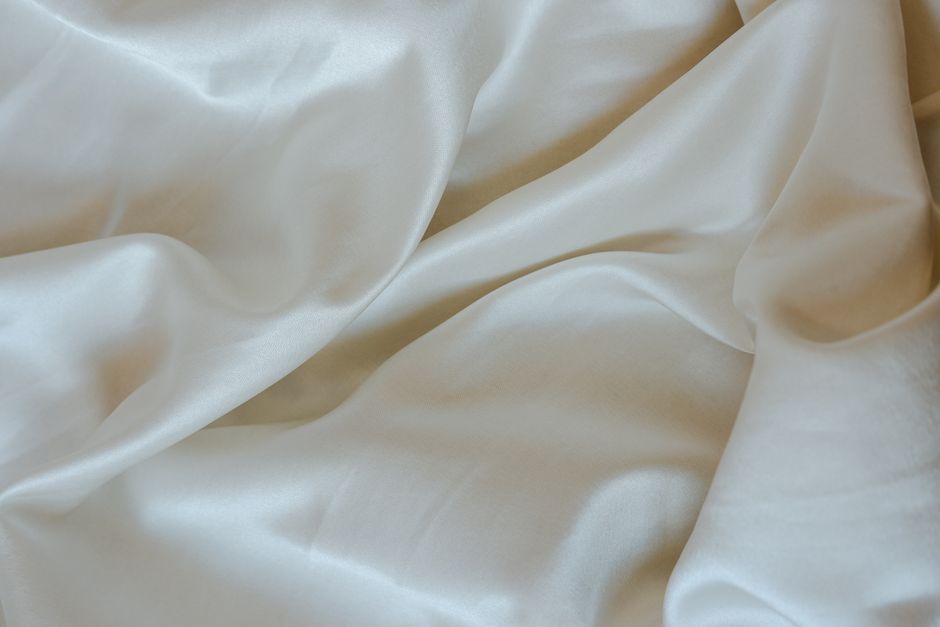
Silk sheets have a reputation as the ultimate luxury bedding, often marketed as a beauty treatment you can sleep on. The truth is more measured than the ads suggest. Silk can reduce friction and may help hair and skin feel less irritated in the morning, but it is not a treatment for acne, wrinkles, or any skin condition. Whether it is worth the price depends on your skin, your budget, and what you expect it to do.
Are Silk Sheets Really Good For Your Skin?
Silk is gentler on skin than many other fabrics, but “gentle” is not the same as “beneficial” in a medical sense. The main advantage comes down to friction and moisture, not any active ingredient in the fabric.
Cotton, especially a rougher weave, creates more drag against your skin as you move during sleep. That drag can tug at the skin and hair. Silk has a smoother surface and a lower coefficient of friction, so there is less pulling and rubbing overnight. For someone who wakes up with creases on their face or tangled hair, that difference can be noticeable.
Silk also absorbs less moisture than cotton. That sounds like a downside, but in practice it means silk does not wick away the natural oils and moisture from your skin the way absorbent fabrics can. Some people find their skin feels less dry in the morning. This is a comfort effect, not a repair effect. Silk does not add moisture to your skin, and it does not replace a moisturizer.
What silk does not do is treat anything. It will not clear acne, fade scars, prevent wrinkles, or deliver skincare ingredients. No clinical evidence confirms those claims. If a product page tells you silk sheets are “anti-aging,” that is marketing, not medicine.
What Does the Evidence Actually Show?
The honest answer is that there is very little high-quality clinical research on silk bedding and skin outcomes. Most of what gets repeated online traces back to small studies, manufacturer-funded research, or general fabric science rather than dermatology trials.
Some research suggests silk can reduce friction-related irritation compared with rougher fabrics. That is consistent with what is known about how friction affects skin, and it is plausible. But plausibility is not proof. There are no large, independent trials showing that switching to silk sheets improves acne, eczema, or any diagnosed skin condition.
Where silk has a somewhat stronger case is in hair. Some studies indicate that silk or satin pillowcases reduce friction and breakage compared with cotton, which is why they are often recommended for people with fragile or textured hair. Even here, the evidence is limited and mostly based on friction measurements rather than long-term hair health outcomes.
One clarification worth making: silk and satin are not the same thing. Satin is a type of weave, and it can be made from silk, polyester, or other fibers. A cheap polyester satin pillowcase has a smooth surface similar to silk, and for friction purposes it may behave similarly. It will not have silk’s moisture and temperature properties, but it is not automatically a bad choice if smoothness is your only goal.
How Does Silk Compare to Cotton and Other Fabrics?
Each fabric behaves differently against skin, and the “best” one depends on what you are trying to solve. Here is how the common options generally compare.
| Fabric | Friction against skin | Moisture behavior | Common drawbacks |
|---|---|---|---|
| Silk | Low | Absorbs little; retains some skin moisture | Expensive, delicate, hand-wash or gentle cycle |
| Cotton | Moderate to high depending on weave | Absorbent; can draw moisture from skin | More drag, can feel rough when worn |
| Polyester satin | Low | Absorbs almost nothing; can trap heat | Less breathable, can feel hot |
| Linen | Moderate to high | Highly breathable, absorbs moisture | Textured surface, can feel scratchy at first |
| Bamboo viscose | Low to moderate | Soft, moderately absorbent | Quality varies widely by brand |
For most people, the practical difference between these fabrics is comfort, not skin health. If you sleep hot, linen or bamboo may suit you better than silk, which can feel warm because it does not breathe as freely as some natural fibers. If you have sensitive or reactive skin, the smoothness of silk or satin may reduce morning irritation. If you have no complaints with cotton, there is no medical reason to switch.
Who Might Actually Benefit From Silk Sheets?
Silk is not for everyone, but a few groups may notice a real difference.
- People with fragile or textured hair may see less breakage and tangling, since friction is lower.
- People prone to sleep creases may find fewer temporary lines on the face in the morning, though these are not the same as wrinkles.
- People with sensitive skin that reacts to rougher fabric textures may feel less irritation.
- People who sleep on their side or stomach tend to have more face-to-pillow contact, so fabric texture matters more for them.
Sleep creases are worth a note. The lines you see on your face after sleeping on a wrinkled pillowcase are temporary and usually fade within an hour. They are caused by pressure and folding of the skin, not by the fabric itself. Over many years, repeated pressure in the same position may contribute to sleep lines that become more persistent, but this is a gradual process and not something a single sheet change will reverse.
If you have a diagnosed skin condition like eczema, psoriasis, or acne, silk sheets are not a treatment. They may reduce one source of physical irritation, but they do not address the underlying cause. Talk to a dermatologist about what actually helps.
Are There Downsides to Silk Sheets?
Yes. Silk is expensive, and the price does not guarantee better skin. A high-quality silk sheet set can cost several times more than good cotton, and the fabric requires careful washing, usually by hand or on a delicate cycle with gentle detergent. Hot water and harsh detergents can damage the fibers.
Silk can also feel warm. Because it does not breathe as freely as linen or some cotton weaves, people who sleep hot may find it uncomfortable. And if you have allergies, silk itself is generally less likely to trigger reactions than some other fabrics, but the dyes and finishes used in processing can sometimes cause irritation in sensitive individuals.
There is also the durability question. Silk is strong but delicate. It can snag, and it may not hold up as long as a well-made cotton sheet under regular use and washing. That is a practical trade-off, not a skin one.
Do You Need Silk Sheets for Healthy Skin?
No. Healthy skin does not depend on your bedding fabric. The things that actually support skin health are well established: sun protection, gentle cleansing, adequate sleep, not smoking, and managing any diagnosed conditions with a doctor’s help. Sheets are a minor variable at best.
If you like the feel of silk and it fits your budget, there is no harm in using it, and some people genuinely prefer it. If you are buying silk sheets expecting clearer skin or fewer wrinkles, you are likely to be disappointed. The evidence does not support those outcomes.
A reasonable approach is to treat silk as a comfort choice, not a skincare investment. If smoother fabric reduces irritation you already notice, that is a real benefit. If you have no such complaints, the money may be better spent elsewhere.
Frequently Asked Questions
Do silk sheets actually help your skin?
Silk can reduce friction and may leave skin feeling less irritated in the morning, but it does not treat or improve any skin condition. The benefit is comfort, not repair.
Are silk pillowcases better than cotton for acne?
No clinical evidence shows that silk pillowcases clear or prevent acne. Acne is caused by factors like hormones, bacteria, and oil production, not by your pillowcase fabric.
Can silk sheets prevent wrinkles?
There is no evidence that silk sheets prevent wrinkles. They may reduce temporary sleep creases, but those fade on their own and are not the same as wrinkles.
Is satin as good as silk for skin and hair?
Satin made from polyester has a similarly smooth surface and may reduce friction about as well as silk. It does not have silk’s moisture and temperature properties, and it can feel warmer.
