
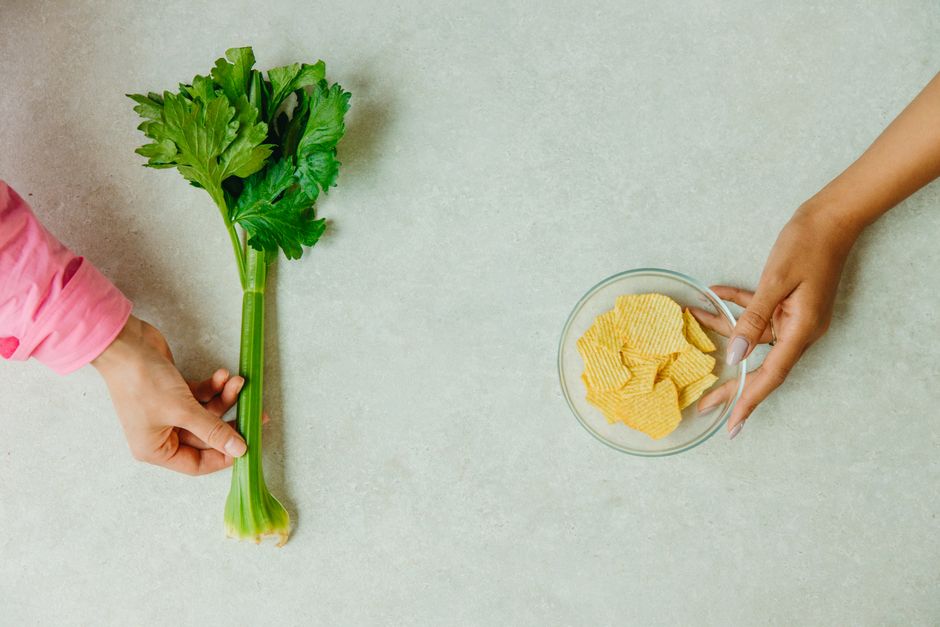
Siete chips are not a health food. They are a packaged snack made mostly from grain or legume flour and oil, and they carry many of the same nutritional traits as conventional tortilla chips: significant calories, fat, and sodium per serving. What makes Siete different is its ingredient list. The company built its brand on grain-free flours like cassava, chickpea, and almond, and on cooking oils such as avocado and olive oil instead of the seed oils used in most mass-market chips. That swap can matter to some people. It does not turn a chip into a vegetable.
The honest answer sits in the middle. Siete chips can be a reasonable fit for someone avoiding gluten or grains, or for a shopper who prefers a shorter ingredient list. They are still a snack food, not a staple, and the marketing around them does more work than the nutrition facts do. Here is what the label actually shows, and how to think about it without the hype.
What Are Siete Chips Made Of?
Siete makes several chip lines, and the base ingredient changes by product. The Grain Free line uses cassava flour and coconut flour as its main flours. The Legume line uses chickpea or lentil flour. Some products use almond flour. The cooking fat also varies by SKU, with avocado oil and olive oil appearing across the range.
That ingredient architecture is the whole pitch. Cassava is a starchy root, chickpea and lentil are legumes, and almond is a tree nut. None of these are inherently better than corn on a per-calorie basis. What they do is open the product to people who avoid corn, gluten, or grains for medical or personal reasons.
One clarification worth making: grain-free is not the same as low-carbohydrate. Cassava flour is a starch, and starch is carbohydrate. A cassava chip delivers roughly the same carbohydrate load per gram as a corn chip. If someone is choosing Siete expecting a low-carb snack, the label will disappoint them.
Are Siete Chips Healthy Compared to Regular Tortilla Chips?
On the numbers that matter most, Siete chips and conventional tortilla chips land in a similar range. Both are fried or baked starch with oil and salt. Calories per serving, fat per serving, and sodium per serving are broadly comparable across brands, and the exact figures shift with each flavor and each product line.
The meaningful differences are narrower than the marketing suggests.
- Cooking oil. Siete uses avocado and olive oil in several products, which are higher in monounsaturated fat than the sunflower, safflower, or canola oil common in mainstream chips. Whether that difference matters at snack-sized portions is not established by clinical trials.
- Flour base. Cassava, chickpea, lentil, and almond flours replace corn. This matters for people with corn allergy or corn intolerance, and for anyone following a grain-free diet.
- Ingredient count. Siete products tend to have shorter ingredient lists than many conventional chips. A shorter list is not automatically a healthier food, but some shoppers value it.
- Fiber and protein. Legume-based chips carry somewhat more protein and fiber than corn chips. The amounts are modest and vary by product.
What does not change is the fundamental format. A chip is a processed, energy-dense, salty snack. Swapping the flour and the oil changes the ingredient profile. It does not change the category.
Do Avocado Oil and Olive Oil Make Chips Healthier?
Avocado oil and olive oil are well-established sources of monounsaturated fat, and diets built around them, such as the Mediterranean pattern, are associated with better cardiovascular outcomes in large observational studies and some randomized trials. That evidence is about dietary patterns over years, not about the oil a chip is fried in.
No clinical trial has tested whether eating avocado-oil chips improves health outcomes compared with sunflower-oil chips. The mechanism is plausible. The clinical benefit at snack portions is unproven. Someone who wants the benefits of olive oil is better served by using it in cooking and dressings than by seeking it out in a chip.
There is also a practical point about frying. Oils differ in how they hold up under high heat, and repeated frying can degrade oil quality. That is a food-science concern that applies to all fried snacks, not a reason to single out Siete. It is also not a reason to treat Siete as a health product.
Are Siete Chips Gluten-Free and Grain-Free?
Many Siete products are labeled gluten-free and grain-free, which is the brand’s core identity. For people with celiac disease or non-celiac gluten sensitivity, a certified gluten-free chip can be genuinely useful. Cross-contamination is a real concern in shared fryers and shared facilities, and a product designed around that constraint fills a gap.
Grain-free is a different claim with a different evidence base. There is no established medical reason for most people to avoid grains, and whole grains are associated with favorable health outcomes in large cohort studies. Grain-free eating is a personal or therapeutic choice for some, not a universally healthier pattern. Siete serving that market does not mean grain-free is better for the general population.
One caution: people avoiding grains or gluten often eat more packaged gluten-free and grain-free snacks as substitutes. Those products are not automatically lower in calories or sodium. A gluten-free chip is still a chip.
How Do Siete Chips Fit Into a Healthy Diet?
A snack food fits into a healthy diet the same way any discretionary food does: in modest amounts, alongside a diet built on vegetables, fruit, legumes, whole grains, nuts, and adequate protein. The 2020–2025 Dietary Guidelines for Americans treat chips and similar salty snacks as foods to limit, not foods to build meals around. That guidance does not change because the flour is cassava.
Practical framing that holds up:
- Portion from a bowl rather than eating from the bag. Serving sizes on chip packaging are small, often around 1 ounce, and it is easy to eat several servings without noticing.
- Watch sodium if you have high blood pressure or are salt-sensitive. Chip sodium adds up quickly across a day.
- Pair chips with something that adds protein or fiber, such as beans, hummus, or a meal, rather than eating them alone as a meal replacement.
- Treat the oil and flour claims as ingredient preferences, not health claims. They are not the same thing.
None of this is a reason to avoid Siete chips. It is a reason to buy them because you like them, not because you believe they are doing something for your health that a different chip would not.
What Does the Nutrition Label Actually Tell You?
The label is the only reliable source for a specific product, because Siete’s lines differ substantially from each other. Read four numbers per serving: calories, total fat, sodium, and added sugar. Then read the ingredient list.
Two habits help. First, compare per-ounce figures across brands rather than per-bag, since bag sizes vary. Second, check whether the serving size on the label matches what you actually eat. A bag that lists three servings is easy to finish in one sitting, which triples every number on the panel.
What the label will not tell you is whether the product is “healthy.” That word has no regulated definition for most foods, and no single nutrient or ingredient determines it. A chip with avocado oil and cassava flour is still a chip. The label tells you what is in it. It does not tell you what it will do for you.
Is the “Better-For-You” Chip Label Worth Paying For?
Better-for-you snack positioning is a marketing category, not a regulated one. Siete chips typically cost more than conventional tortilla chips, and the premium buys specific ingredients and specific dietary accommodations. Whether that is worth it depends entirely on why you are buying them.
If you have celiac disease, a corn allergy, or a genuine need to avoid grains, the premium may be justified because the product solves a real problem. If you are buying them because the packaging suggests they are a health food, the premium buys an ingredient list, not a health outcome. No study has shown that eating Siete chips instead of another chip improves any health measure.
That is the honest bottom line. Siete chips are a well-made snack with a distinctive ingredient list. They are not a health food, and they do not need to be. A snack can be enjoyable without pretending to be medicine.
Frequently Asked Questions
Are Siete chips actually healthier than regular chips?
Not in any demonstrated way. They use different flours and oils, but they remain a processed, calorie-dense, salty snack with nutrition figures broadly similar to conventional tortilla chips. No clinical trials show health benefits from choosing them over other chips.
Are Siete chips good for weight loss?
No. They are a snack food with calories and fat comparable to other chips, and no evidence shows they support weight loss. Weight management depends on overall diet and energy balance, not on the flour a chip is made from.
Are Siete chips gluten-free?
Many Siete products are labeled gluten-free and grain-free, which makes them useful for people with celiac disease or gluten sensitivity. Check the specific package, because formulations and certifications vary by product line.
Can I eat Siete chips on a keto diet?
Usually not in meaningful amounts. Cassava flour is a starch and carries substantial carbohydrate, so most Siete grain-free chips are not low-carb despite the grain-free label. Check the total carbohydrate figure on the specific product before assuming it fits.
