
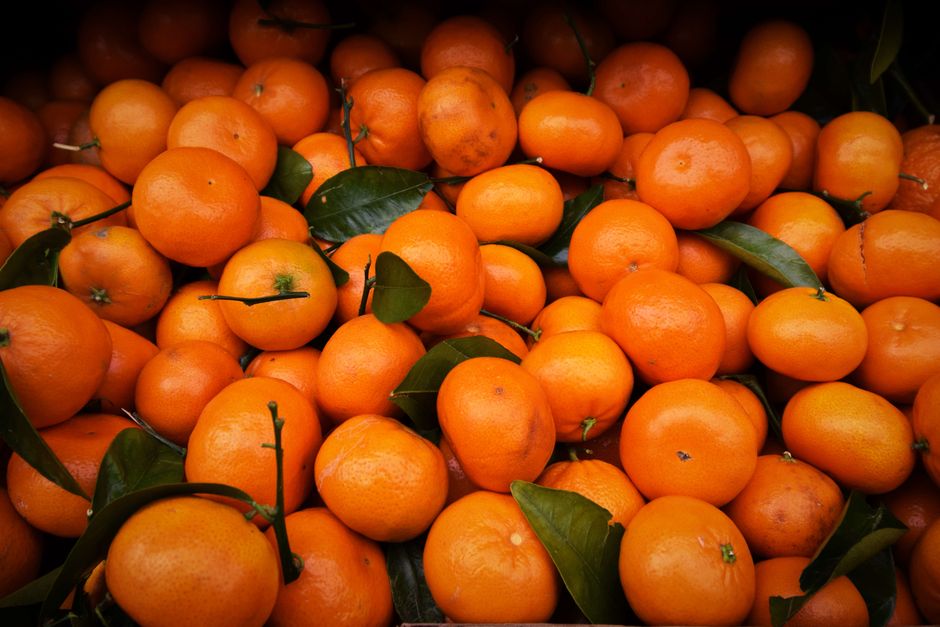
Satsumas are good for you. They deliver vitamin C, fiber, and fluid in a small, easy-to-peel package, and they fit neatly into most healthy eating patterns. The main caveats are simple: citrus can trigger symptoms in people with certain allergies or reflux, and the juice form is not the same as eating the whole fruit.
Satsumas are a type of mandarin orange, a distinct species in the citrus family. They are sweet, low in acid compared with many oranges, and usually seedless. That combination makes them popular with children and with anyone who finds regular oranges too tart.
Are Satsumas Good For You Health Benefits And Nutrition?
Yes. A satsuma is mostly water and carbohydrate, with a solid dose of vitamin C and a small amount of fiber. It contains almost no fat and very little protein. Eaten whole, it is a low-calorie snack that contributes to daily nutrient needs without adding much to overall energy intake.
Here is the approximate nutrition for a typical satsuma (roughly 70 grams of edible fruit), based on standard food composition data:
| Nutrient | Approximate amount per satsuma |
|---|---|
| Calories | About 25–30 kcal |
| Carbohydrate | About 6–7 g |
| Fiber | About 1 g |
| Vitamin C | About 20–25 mg |
| Potassium | About 100 mg |
| Fat | Negligible |
| Protein | Less than 1 g |
These figures are estimates. Actual values shift with fruit size, ripeness, and growing conditions. A large satsuma will carry more of everything; a small one less.
For context, the recommended daily vitamin C intake for most adults is around 75 mg for women and 90 mg for men, per national dietary guidance. Two or three satsumas get you a meaningful share of that. They will not cover it alone unless you eat several.
What Does Vitamin C In Satsumas Actually Do?
Vitamin C is a genuine nutrient with well-established roles. It supports collagen production, which matters for skin, blood vessels, and wound healing. It aids iron absorption from plant foods. It also functions as an antioxidant in the body.
What vitamin C does not do is prevent most colds in the general population. Research has consistently found that regular vitamin C supplementation does not reduce how often adults catch colds. It may slightly shorten how long a cold lasts, but the effect is modest. This is one of the more persistent health myths, and it is worth stating plainly: eating citrus is good for you, but it is not a cold shield.
Getting vitamin C from whole fruit rather than supplements is generally preferable. Whole fruit brings fiber and other compounds along with the vitamin, and it is hard to overshoot on vitamin C from food alone.
Do Satsumas Help With Hydration And Fiber?
Satsumas are roughly 85 percent water. That makes them a modest contributor to fluid intake, though not a substitute for drinking water. On a hot day or during light activity, a satsuma is a pleasant way to take in some fluid and a little carbohydrate at the same time.
The fiber content is small per fruit — about 1 gram — but it adds up if you eat two or three. Fiber from whole fruit supports regular digestion and feeds gut bacteria. The key phrase is whole fruit. Juice removes most of the fiber and concentrates the sugar, so a glass of satsuma juice is not nutritionally equivalent to eating satsumas.
One clarification that often gets lost: the fiber in citrus sits largely in the membranes and the pith, the white material under the peel. If you strip every trace of pith before eating, you lose some of what makes the fruit valuable beyond its vitamin C.
Are Satsumas Good For Weight Management?
Satsumas can fit comfortably into a weight management plan. At roughly 25–30 calories each, they are a low-energy-density food, meaning they provide volume and sweetness for few calories. Foods with low energy density tend to help people feel satisfied on fewer calories, though no single food drives weight outcomes.
They are not a weight-loss food in any special sense. No fruit is. The evidence supports overall dietary patterns — plenty of vegetables and fruit, limited added sugar, adequate protein and fiber — rather than individual “fat-burning” foods. Anyone claiming a specific fruit accelerates fat loss is overstating what the research shows.
Where satsumas genuinely help is as a replacement. Swapping a sugary snack for a satsuma cuts calories and added sugar without feeling like deprivation, because the fruit is sweet and easy to eat.
Who Should Be Careful With Satsumas?
Most people can eat satsumas without issue. A few groups should pay attention.
- People with citrus allergy. True citrus allergy exists, though it is uncommon. Symptoms can include itching, hives, or in rare cases more serious reactions. Anyone with a known citrus allergy should avoid satsumas.
- People with acid reflux or GERD. Citrus is acidic and can worsen symptoms in some people. This varies widely between individuals. If satsumas trigger heartburn, that is worth noting rather than pushing through.
- People taking certain medications. Grapefruit is well known to interact with some drugs by affecting how they are metabolized. Satsumas and other mandarins are not grapefruit and are generally not subject to the same interaction warnings, but anyone on multiple medications should ask a pharmacist rather than assume.
- People with kidney disease. Satsumas contain potassium. Most people handle potassium fine, but those with reduced kidney function may be advised to limit high-potassium foods. A satsuma is not especially high in potassium, but it counts.
- Young children. Whole segments are a choking consideration for very young children. Cut them appropriately for age.
None of these cautions make satsumas a risky food for the general population. They are simply the situations where a little attention is warranted.
How Do Satsumas Compare With Other Citrus?
Satsumas sit close to other mandarins and oranges nutritionally. They tend to be slightly lower in acid and a bit sweeter than navel oranges. Vitamin C content is broadly similar across citrus, though it varies by variety and freshness.
Compared with an orange of similar weight, a satsuma typically has somewhat less vitamin C and fiber simply because it is smaller. Eat two satsumas and you are roughly in orange territory. The peelability is the real practical advantage — it makes the fruit easy to eat without tools, which matters for people who would otherwise skip fruit.
Compared with clementines, satsumas are close cousins. Both are mandarins. Nutritionally they are near-identical for practical purposes. The choice between them is about taste and availability, not health.
How Should You Store And Eat Satsumas?
Satsumas keep well at room temperature for several days and longer in the refrigerator. Refrigeration slows moisture loss and helps them last. They are best eaten fresh, peeled and eaten as is. The peel is not typically eaten, though it is used in cooking and zest.
Whole fruit is the best form. Satsuma juice, like all fruit juice, delivers sugar without the fiber and is easy to overconsume. If juice is part of your routine, small amounts are the sensible approach, and whole fruit should remain the default.
There is no strong evidence that satsumas need to be eaten at a particular time of day or combined with specific foods. The claims about “alkalizing” citrus or timing fruit for digestion are not supported by clinical evidence. Eat them when you enjoy them.
Frequently Asked Questions
Are satsumas good for you?
Yes. They provide vitamin C, some fiber, and fluid for very few calories, and they fit well into most healthy diets. They are not a cure for anything, but they are a genuinely good snack.
How much vitamin C is in one satsuma?
A typical satsuma contains roughly 20–25 mg of vitamin C, based on standard food composition data. Amounts vary with fruit size.
Can you eat satsumas every day?
Yes, for most people. Daily citrus is fine as part of a varied diet, though anyone with acid reflux or a citrus allergy should adjust based on their own symptoms.
Are satsumas the same as clementines?
No, but they are closely related. Both are types of mandarin, and their nutrition is nearly identical for practical purposes.
