
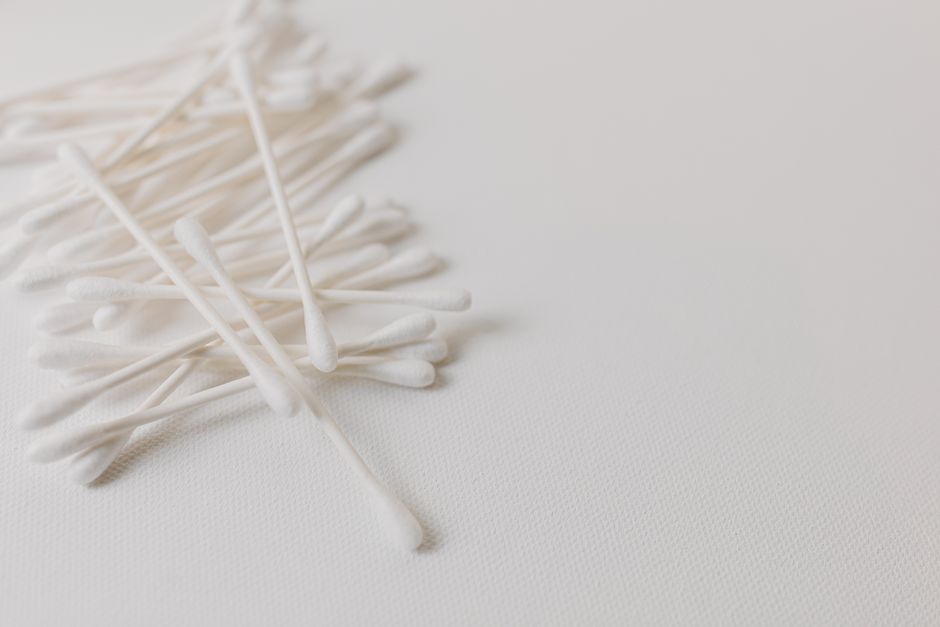
Yes, Q-tips are bad for your ears when you use them inside the ear canal. Doctors and hearing specialists have warned against it for decades, and the cotton swab packaging itself now carries a warning against inserting the tip into the ear canal. The reason is simple: the ear cleans itself, and a cotton swab pushes wax deeper, irritates the skin, and can cause injury.
Most people who use cotton swabs in their ears do it because it feels satisfying. That satisfying feeling is not a sign of cleaning. It is a sign of nerve stimulation in a sensitive canal. The wax you pull out on the swab is usually a small fraction of what is actually there, and the rest gets compacted further down.
Why Do People Use Q Tips In Their Ears?
The habit usually starts in childhood. Many people grew up watching a parent clean their ears with a cotton swab and copied the behavior. It feels like hygiene. It feels productive.
The ear canal is lined with nerve endings that respond to touch. A cotton swab stimulates those nerves, which produces a tickling or pleasurable sensation. That sensation reinforces the habit. People keep reaching for a swab not because their ears need cleaning but because the act feels good.
There is also a widespread belief that visible wax on a swab means the ear is dirty. It doesn’t work that way. Earwax, called cerumen, is a protective substance. It traps dust and debris, repels water, and has mild antibacterial properties. Its presence is normal and healthy. Its absence can actually cause problems.
What Happens When You Put A Cotton Swab In Your Ear?
The ear canal is a self-cleaning structure. Skin cells migrate outward from the eardrum toward the opening, carrying wax with them. This process happens continuously without any help.
When you insert a cotton swab, you interrupt that process. The swab pushes wax back toward the eardrum instead of removing it. Over time, this compacted wax forms a plug. That plug can cause muffled hearing, a feeling of fullness, ringing in the ears, or discomfort.
Paradoxically, people who clean their ears most aggressively often produce the most wax impaction. They push wax deeper, the ear tries to produce more to compensate for the irritation, and the cycle repeats.
The skin inside the ear canal is thin and delicate. It sits directly over bone in the outer portion of the canal. A cotton swab can scratch that skin, causing small abrasions that become entry points for bacteria. This is one reason ear canal infections sometimes follow cotton swab use.
What Injuries Can Q Tips Cause To The Ear?
The most serious risk is damage to the eardrum. The eardrum sits at the end of the ear canal, roughly 2.5 centimeters from the opening in most adults. A cotton swab inserted too far can perforate it. A perforated eardrum can cause sudden pain, hearing loss, ringing, and sometimes drainage. Some perforations heal on their own, but others require surgical repair.
Cotton tips can also break off inside the canal. This happens more often than people realize, particularly with cheaper swabs or when people use them while distracted. A detached cotton tip requires removal by a clinician.
Other documented injuries include:
- Lacerations of the ear canal skin
- Bleeding from the canal
- Damage to the small bones of the middle ear in severe cases
- Worsening of existing ear conditions
Emergency departments see these injuries regularly. Research on emergency room visits for ear injuries has repeatedly identified cotton swabs as a leading cause of objects inserted into the ear canal. The injuries range from minor irritation to permanent hearing damage.
Does Earwax Need To Be Removed At All?
For most people, no. Earwax is not a waste product. It is part of the ear’s defense system.
Cerumen has a slightly acidic pH that helps discourage bacterial and fungal growth. It also creates a waterproof barrier that protects the sensitive skin of the canal. People who strip their ears of wax entirely can end up with dry, itchy, irritated canals that are more prone to infection.
Some people do produce excess wax or have narrow or unusually shaped ear canals that prevent natural clearance. These people may develop wax impaction. Symptoms include:
- Gradual hearing loss
- A plugged or full feeling in the ear
- Tinnitus (ringing)
- Ear discomfort
- Occasional dizziness
If you have these symptoms, the answer is not a cotton swab. It is a visit to a clinician who can look inside the ear and remove the wax safely.
How Should You Clean Your Ears Safely?
For the outer ear, a washcloth over your fingertip is enough. Wipe the visible folds of the outer ear after showering. Do not go inside the canal.
For wax that has become impacted, several approaches exist. Some clinicians recommend wax-softening drops available over the counter, such as those containing carbamide peroxide or mineral oil. These soften the wax so the ear can clear it naturally. They are not appropriate for people with a perforated eardrum, a history of ear surgery, or active ear infections. Anyone with those conditions should see a clinician first.
Professional removal by a doctor or hearing specialist is the safest option for significant impaction. Clinicians use irrigation, suction, or small instruments under direct visualization. This is quick and generally well tolerated.
Some people try ear candling, which involves placing a hollow candle in the ear and lighting it. No clinical evidence supports ear candling as effective for wax removal, and it carries risks including burns and candle wax dripping into the ear canal. Major health organizations have advised against it.
Are There Exceptions Where Q Tips Are Acceptable?
Cotton swabs have many legitimate uses. Cleaning the outer folds of the ear, applying makeup, cleaning small crevices on objects, and various household tasks are all fine. The problem is specifically inserting them into the ear canal.
Some people with certain medical conditions or anatomical variations might be told by their clinician to use a specific cleaning method. Those instructions come from someone who has examined the ear and understands its structure. They do not apply to the general population.
For everyone else, the guidance is straightforward. Nothing smaller than your elbow should go in your ear canal. That old saying exists for a reason.
When Should You See A Doctor About Ear Symptoms?
See a clinician if you have ear pain, hearing loss that does not resolve, drainage from the ear, ringing that persists, or a feeling of fullness that lasts more than a few days. These symptoms can have several causes, and only an examination can determine which one applies.
Seek care promptly if you have sharp pain after inserting something in your ear, if you notice blood, or if you suddenly lose hearing. A perforated eardrum or a foreign object in the canal needs professional assessment.
People with diabetes or weakened immune systems should be especially cautious about ear canal irritation. Infections in these groups can be more serious.
The Bottom Line On Q Tips And Ear Health
The ear is designed to clean itself. Cotton swabs interfere with that design. They push wax deeper, irritate delicate skin, and carry a real risk of injury. The temporary satisfaction of cleaning your ears with a swab is not worth the potential for pain, infection, or hearing damage.
If your ears feel blocked or your hearing seems muffled, that is a signal to get them checked, not to reach for a swab. A clinician can see what is actually happening and remove any blockage safely. Your ears will be better off left alone.
Frequently Asked Questions
Are Q Tips bad for your ears?
Yes, inserting cotton swabs into the ear canal is harmful. They push wax deeper, irritate the skin, and can perforate the eardrum or leave cotton tips lodged in the canal.
What happens if you push a Q tip too far in your ear?
You can perforate the eardrum, which may cause sudden pain, hearing loss, ringing, or drainage. A perforated eardrum sometimes heals on its own, but it needs medical evaluation.
How do you get rid of earwax without a Q tip?
Over-the-counter wax-softening drops can help if your eardrum is intact, and a clinician can remove significant impaction safely. Do not use drops if you have a perforated eardrum or history of ear surgery.
Can using Q tips cause ear infections?
Yes, cotton swabs can scratch the ear canal skin and create small openings where bacteria can enter. They can also cause wax impaction, which traps moisture and creates conditions for infection.
