
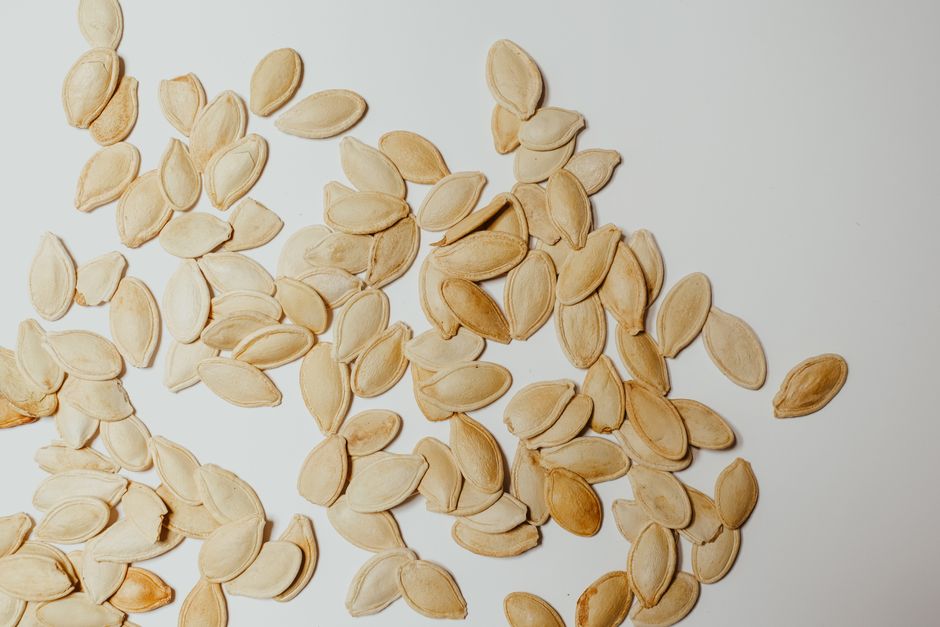
If you follow a low FODMAP diet for irritable bowel syndrome (IBS), you have likely learned to check every food before eating it. Pumpkin seeds are a common snack and salad topping, so it is a fair question to ask. Yes, pumpkin seeds are low FODMAP. The Monash University app, which sets the standard for FODMAP data, lists both pumpkin seeds and pepitas as low FODMAP in typical serving sizes. This means you can generally enjoy them without triggering the fermentable carbohydrates that cause bloating, gas, and abdominal pain.
What Does Low FODMAP Actually Mean?
FODMAP stands for Fermentable Oligosaccharides, Disaccharides, Monosaccharides, And Polyols. These are short-chain carbohydrates that some people cannot digest well. Instead of being absorbed in the small intestine, they travel to the large intestine where gut bacteria ferment them. That fermentation produces gas and draws water into the bowel, leading to the symptoms of IBS.
The diet is not about eliminating all carbs. It is about removing the specific types that ferment quickly. The elimination phase typically lasts two to six weeks. After that, you slowly reintroduce foods to find your personal tolerance levels. Pumpkin seeds fit neatly into the “safe” category during the elimination phase because they contain very low amounts of these fermentable carbs.
Are Pumpkin Seeds Low Fodmap in Every Form?
Plain, raw, or roasted pumpkin seeds are low FODMAP. The way you prepare them matters more than the seed itself. Salted seeds are fine. Seeds roasted in a little oil are fine. The problems start when manufacturers add high-FODMAP flavorings.
Check the ingredient list for garlic powder, onion powder, honey, or high-fructose corn syrup. These are common seasonings on commercial seed mixes and they will raise the FODMAP load quickly. A “honey roasted” pumpkin seed is not low FODMAP because honey contains excess fructose. A “ranch” flavored seed almost certainly contains onion or garlic powder.
Your safest bet is to buy plain seeds and season them yourself with allowed spices like salt, cumin, paprika, or small amounts of herbs.
What Is the Recommended Serving Size?
Serving size is the catch with any low FODMAP food. Even low FODMAP foods can become high FODMAP if you eat enough of them. For pumpkin seeds, the low FODMAP serving is about 2 tablespoons or roughly 30 grams. This is the amount that Monash University has tested and found to be low in fermentable carbs.
You can eat more than this and be fine. Some people tolerate larger amounts without symptoms. But during the elimination phase, stick to the tested serving size. Once you know your triggers, you can experiment with larger portions to see how your gut responds.
Pumpkin seeds are also calorie-dense. Two tablespoons contain about 150 calories and 7 grams of protein. They are a good source of magnesium, zinc, and healthy fats. But they are not a free food in terms of calories.
Why Do Some People Still Get Symptoms From Pumpkin Seeds?
Even though pumpkin seeds are low FODMAP, they are not right for everyone. The low FODMAP diet addresses one specific mechanism of IBS symptoms. It does not address every cause.
Some people have trouble digesting fat. Pumpkin seeds are about 50% fat by weight. If you eat a large handful, the fat content alone can stimulate the gut and cause loose stools or urgency. This is not a FODMAP reaction. It is a fat intolerance, and it can happen independently of your FODMAP sensitivity.
Others have trouble with the physical fiber. Pumpkin seeds are high in insoluble fiber. This type of fiber adds bulk to stool and can be irritating to a sensitive gut, especially during a flare. If you notice symptoms after eating pumpkin seeds but you are confident you stayed within the low FODMAP serving, consider whether fat or fiber is the culprit rather than FODMAPs.
Are Pepitas Different From Pumpkin Seeds?
Pepitas are the green inner kernel of the pumpkin seed. The white shell that you find on whole pumpkin seeds is removed. In the United States, the word “pepita” is often used to mean the hulled green seed, while “pumpkin seed” can mean the whole seed with the white shell.
Both forms are low FODMAP. The difference is mostly about texture and fiber. The white shell adds more insoluble fiber, which some people find harder to digest. If you have trouble with whole pumpkin seeds, try pepitas instead. The green kernel is easier on the digestive tract for many people.
Nutritionally, they are nearly identical. Pepitas have slightly more protein per gram because the shell is mostly fiber. But the mineral content, particularly magnesium and zinc, is similar in both.
How Do Pumpkin Seeds Compare to Other Nuts and Seeds?
Pumpkin seeds are one of the more forgiving options on the low FODMAP diet. Many nuts and seeds are low FODMAP, but some have serving size limits that are easy to accidentally exceed.
- Almonds are low FODMAP at about 10 nuts. More than that can be problematic.
- Cashews are high FODMAP and should be avoided during the elimination phase.
- Pistachios are also high FODMAP.
- Chia seeds and flaxseeds are low FODMAP and add soluble fiber, which some people tolerate better than insoluble fiber.
- Sunflower seeds are low FODMAP and similar to pumpkin seeds in fat content.
Pumpkin seeds stand out because the serving size is reasonably generous compared to almonds. You get a satisfying handful without crossing the FODMAP threshold. That makes them a practical snack for the elimination phase.
Ways to Add Pumpkin Seeds to a Low FODMAP Diet
Pumpkin seeds are versatile. They work in both sweet and savory dishes without adding FODMAPs.
Sprinkle them over a salad with low FODMAP vegetables like lettuce, cucumber, and carrots. Add them to gluten-free oatmeal for breakfast. Blend them into a smoothie with a low FODMAP fruit like strawberries or a small banana. They also make a good topping for low FODMAP yogurt if you tolerate lactose-free dairy.
You can make a simple low FODMAP trail mix with pumpkin seeds, sunflower seeds, a few almonds, and dark chocolate chips. Just measure your portions and keep the almonds to about 10 per serving.
One caution: pumpkin seed butter is becoming popular. It is low FODMAP, but the serving size is still 2 tablespoons. The butter is calorie-dense and easy to overeat. If you use it, measure it rather than scooping straight from the jar.
What About Pumpkin Seed Oil?
Pumpkin seed oil is a different product. It is pressed from roasted seeds and used as a finishing oil for salads or soups. Because it is pure fat, it contains no FODMAPs at all. FODMAPs are carbohydrates, and oil has none.
The oil is not a significant source of the minerals found in the whole seed. It is mostly fatty acids. Some research suggests it may have anti-inflammatory properties, but the evidence is limited and mostly from animal studies. It is safe on a low FODMAP diet, but it is not a substitute for the nutritional benefits of eating the whole seed.
Frequently Asked Questions
Can I eat pumpkin seeds during the elimination phase of the low FODMAP diet?
Yes, pumpkin seeds are low FODMAP and safe during the elimination phase. Stick to a 2-tablespoon serving to stay within tested limits.
Are roasted pumpkin seeds low FODMAP?
Plain roasted pumpkin seeds are low FODMAP. Avoid flavored varieties that may contain garlic, onion, or honey.
How many pumpkin seeds can I eat on a low FODMAP diet?
The tested low FODMAP serving is about 2 tablespoons, or roughly 30 grams. Some people tolerate larger amounts, but start with the tested portion.
Can pumpkin seeds cause IBS symptoms even though they are low FODMAP?
Yes, because they are high in fat and insoluble fiber, which can trigger symptoms in some people independent of FODMAPs. If this happens, try pepitas or a smaller portion.
Pumpkin seeds are a reliable, nutritious choice on a low FODMAP diet. They give you healthy fats, protein, and minerals without the fermentable carbs that trigger IBS symptoms. Choose plain varieties, watch your portion size, and listen to your body. If they work for you, they make an excellent staple snack.
