
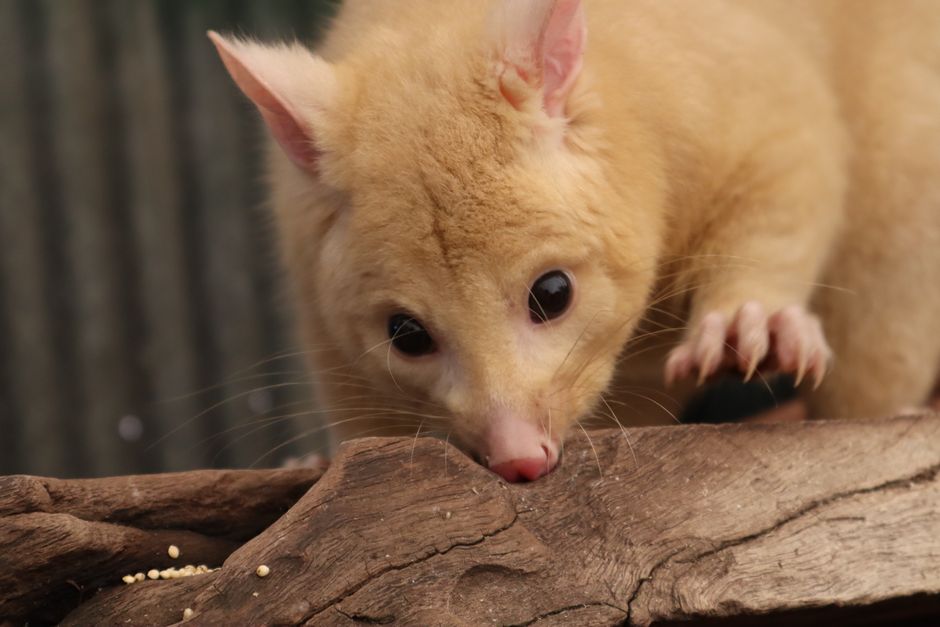
Possums are not nasty. They are shy, slow-moving marsupials that would rather avoid you than confront you. The reputation for being nasty comes mostly from their appearance and from a few defensive habits that look worse than they are.
If you have ever found one hissing on your fence at night, you probably did not feel warmly toward it. But the hissing, the drooling, and the stiff stare are fear responses, not aggression. Once you understand what the animal is actually doing, the “nasty” label falls apart.
There is one real health concern worth knowing about, and it is not the one most people expect. More on that below.
Are Possums Nasty The Truth About Their Behavior
No. Possums are not nasty animals. They are solitary, nocturnal, and largely indifferent to humans.
The confusion starts with the name. In the United States, the animal people see in their yards is properly called an opossum. It is a marsupial, the only one native to North America. In Australia, “possum” refers to a different group of marsupials entirely. Most Americans say “possum” for the Virginia opossum, and that is the animal this article is about.
Their behavior looks strange for a reason. Opossums have poor eyesight and poor hearing. They navigate mostly by smell and touch. When something large approaches, they cannot quickly assess whether it is a threat. Their default is to bluff.
That bluff has a few parts:
- Hissing and growling — a warning sound made when cornered, not a prelude to attack
- Open-mouth display — showing teeth to look threatening while standing still
- Drooling and foaming — a stress response that frightens people who mistake it for rabies
- Playing dead — an involuntary collapse that can last minutes to hours
None of these are attacks. An opossum that is hissing is almost always an opossum that wants to leave and cannot find a clear path.
Why Do Possums Look So Unappealing?
Their appearance is doing most of the damage to their reputation. Opossums have naked, prehensile tails, pointed snouts, and a mouth that can hold 50 teeth — more than any other North American land mammal. When one opens its mouth wide, that tooth count is on full display.
They also have a habit of showing up in places people find unsettling. They raid pet food, tip over garbage cans, and wander into garages. A slow, rat-like animal the size of a cat, seen at night under a porch light, reads as vermin to most people.
That reading is inaccurate. Opossums are not rodents. They are marsupials, more closely related to kangaroos than to rats. They are also fastidious about grooming themselves, similar to cats.
The drooling deserves a specific note. An opossum that is drooling, swaying, or standing with its mouth open is often described as rabid. Rabies is actually very rare in opossums. Their body temperature is lower than that of most mammals, and the rabies virus does not replicate well at lower temperatures. This does not mean an opossum cannot carry rabies — it can — but the odds are low compared with raccoons, skunks, foxes, and bats.
Do Possums Attack People or Pets?
Opossums rarely attack anything larger than themselves. They are not built for it.
They have short legs, a slow top speed, and no natural weapons beyond their teeth. Their survival strategy is defense and escape, not pursuit. When threatened, an opossum will hiss, gape, and if that fails, faint. It will not chase a person or a dog.
Small pets are a different matter. An opossum may eat a sick or injured bird, a young chick, or a small rodent. A healthy adult cat or dog is not at risk. A confrontation between an opossum and a dog usually ends with the opossum playing dead and the dog losing interest.
The realistic risk to a person is a bite during handling. Someone who tries to pick up an opossum, or who corners one, may get bitten. That is a handling injury, not an unprovoked attack. The same is true of almost any wild mammal.
If you are bitten by any wild animal, wash the wound thoroughly with soap and water and seek medical care. This is standard guidance for all wild animal bites, and it applies here.





Do Possums Carry Diseases?
Yes, and this is the one area where the “nasty” concern has real substance. Opossums can carry several pathogens, though they are not the major disease reservoir many people assume.
What they can carry:
- Leptospirosis — a bacterial infection spread through urine, which can contaminate soil and water
- Salmonella — carried in the gut and shed in feces
- Fleas and ticks — which can transmit other diseases to pets and people
- Toxoplasmosis — a parasite that opossums can carry, though cats are the primary host
- Rabies — possible but uncommon, as noted above
The practical takeaway is about contact, not proximity. An opossum walking across your yard is not a disease risk. An opossum living in your garage, defecating near your pet’s food bowl, or being handled without gloves is a different situation.
There is one widely repeated claim that needs correcting. You may have read that opossums “eat ticks” and reduce tick-borne disease in yards. This idea traces back to a study that examined ticks found in opossum stomachs and estimated how many ticks an opossum might consume. Later work questioned how well that number translates to real-world tick reduction. The honest position is that opossums do eat ticks, but no good evidence shows they meaningfully lower tick populations or human disease risk in a typical yard.
Why Do Possums Play Dead?
Playing dead is not a choice. It is an involuntary fear response, sometimes called thanatosis.
When an opossum is overwhelmed by a threat, its nervous system essentially shuts down. It collapses, goes rigid or limp, its mouth may foam, and it emits a foul-smelling fluid from its anal glands. It can stay in this state for minutes to hours. It is not conscious during much of it.
This is not a clever tactic the animal decides to use. It is closer to fainting. The smell and the stillness may discourage a predator, but the opossum is not in control of any of it.
The practical implication matters. If you find an opossum that appears dead, do not assume it is. Give it space and time. It will usually recover and walk away on its own.
What Should You Do If One Is in Your Yard?
Leave it alone and it will almost certainly leave on its own. Opossums do not build dens in the way raccoons or squirrels do. They move through an area rather than settling into it.
If you want to discourage one from staying:
- Bring pet food inside at night and secure the bowls
- Use garbage cans with locking lids
- Pick up fallen fruit from trees
- Close off gaps under decks, porches, and sheds
- Keep outdoor lighting on motion sensors rather than always on
Do not use poison. It is cruel, it can harm pets and other wildlife, and it does not solve the underlying reason the animal came. Some jurisdictions also have rules about how wild animals may be handled or relocated, so check with your state wildlife agency before taking any action beyond securing your property.
If an opossum is inside your home, open a door and give it a clear, quiet path out. Do not chase it. If it does not leave on its own, contact a licensed wildlife control operator rather than handling it yourself.
The Bottom Line on Possum Behavior
Opossums are not nasty. They are odd-looking, slow, and easily frightened, and their defensive display is designed to make a predator back off. It works on humans too.
The legitimate concerns are narrow. Do not handle them. Keep them out of your pet’s food and living space. Wash your hands after any contact with soil or surfaces where wildlife may have urinated or defecated. Beyond that, an opossum in your yard is doing what opossums do, and it is not a threat to you.
Frequently Asked Questions
Are possums dangerous to humans?
No, opossums are not dangerous in normal circumstances. A bite is possible if you try to handle or corner one, but they do not attack people unprovoked.
Do possums carry rabies?
Rabies in opossums is rare but possible. Their lower body temperature makes it harder for the virus to replicate, so they are far less likely than raccoons, skunks, or bats to carry it.
Why do possums hiss at people?
Hissing is a fear response, not aggression. An opossum that hisses is cornered or startled and is trying to scare you off so it can escape.
Should I get rid of a possum in my yard?
Usually no action is needed, since opossums move through rather than settle in. If one keeps returning, remove the food source by securing pet food and garbage rather than trapping the animal.
