
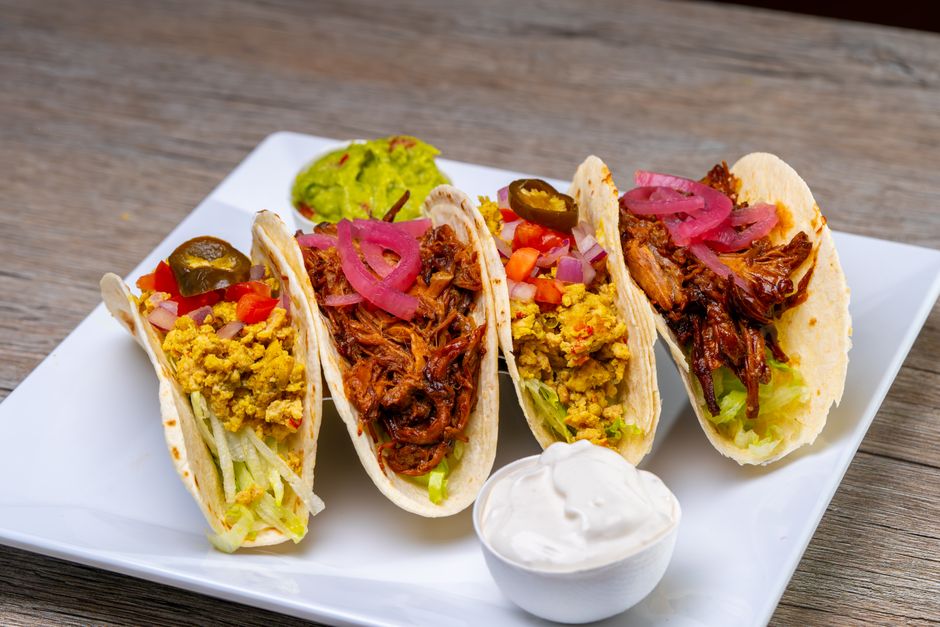
Pickled jalapeños are a low-calorie food with real nutritional upside, but they come with a significant catch: sodium. A pickled jalapeño delivers capsaicin, vitamin C, and very few calories, while a typical serving can carry a meaningful share of your daily salt limit. Whether they count as “good for you” depends almost entirely on how much you eat and what else is on your plate.
The short answer is that pickled jalapeños are a reasonable addition to most diets in modest amounts. They are not a health food in the way a fresh vegetable is, and they are not a junk food either. They sit somewhere in the middle, and the salt is the main reason.
Are Pickled Jalapenos Good For You?
They are good in some ways and limited in others. The pickling process preserves the pepper’s capsaicin, the compound responsible for the heat, and capsaicin has been studied for effects on metabolism and appetite. Pickled jalapeños also provide small amounts of vitamin C and fiber.
The limitation is sodium. Pickling works by soaking peppers in a brine of vinegar, water, and salt. That brine is what gives pickled jalapeños their tang and their shelf stability, and it is also why a small serving can contain a notable amount of sodium. The exact figure varies widely by brand and preparation, so reading the label matters more than assuming.
Fresh jalapeños have almost no sodium. Pickled ones do. That single difference is the most important thing to understand about this food.
What Nutrients Do Pickled Jalapeños Provide?
Pickled jalapeños are mostly water and provide very few calories. A typical serving is small, often a few slices or a tablespoon or two of chopped pepper, and the calorie count is negligible.
The nutrients that survive pickling include:
- Capsaicin — the heat compound, which is not destroyed by pickling
- Vitamin C — present but reduced compared with fresh peppers, since vitamin C is sensitive to heat and processing
- Vitamin A — in the form of beta-carotene, present in modest amounts
- Fiber — small amounts, mostly from the pepper skin
- Potassium — present in small amounts
These amounts are modest. Pickled jalapeños are a condiment, not a significant source of most vitamins. Treating them as a vegetable serving would overstate what they deliver.
Why Is the Sodium in Pickled Jalapeños a Concern?
Sodium is the nutrient that most limits how often pickled jalapeños fit into a healthy eating pattern. The brine that makes them shelf-stable is salt-heavy, and the peppers absorb it.
Federal dietary guidance recommends most adults keep sodium intake under 2,300 milligrams per day, which is about one teaspoon of salt. People with high blood pressure, kidney disease, or other conditions may be advised to go lower. A serving of pickled jalapeños contributes to that total, and the amount varies substantially between products.
This matters because high sodium intake is linked to elevated blood pressure in many people. The relationship is well established. For someone watching salt, a few slices of pickled jalapeño are unlikely to be a problem. A large handful eaten regularly, on top of other salty foods, starts to add up.
One practical point that is easy to miss: rinsing pickled jalapeños under cold water before eating removes some surface brine and can lower the sodium you actually consume. It also mutes the heat slightly. This is a common kitchen technique, not a clinical recommendation, but it is a reasonable way to use less salt without giving up the flavor.
Does the Heat in Pickled Jalapeños Have Health Benefits?
Capsaicin has been studied for several effects, and the research is genuinely mixed. Some studies suggest capsaicin may modestly increase energy expenditure and reduce appetite. The effect sizes in human trials tend to be small, and results vary between studies.
What is clear is that capsaicin is not a weight-loss treatment. The metabolic effect is real but minor. Anyone expecting meaningful calorie burn from eating spicy peppers will be disappointed. The evidence does not support that.
Capsaicin is also used in topical creams for pain, and that use has more clinical support than the metabolic claims. But that is a different application from eating pickled peppers, and the two should not be conflated.
For most people, the honest position is that the heat is pleasant and may have small metabolic effects, but it is not a reason on its own to eat pickled jalapeños for health.
Are Pickled Jalapeños Better or Worse Than Fresh?
Fresh jalapeños are lower in sodium and higher in vitamin C. Pickled jalapeños have a longer shelf life and a tangier flavor. Neither is universally “better” — they serve different purposes.
| Nutrient | Fresh Jalapeño | Pickled Jalapeño |
|---|---|---|
| Sodium | Very low | Notable, varies by brand |
| Vitamin C | Higher | Reduced by processing |
| Calories | Very low | Very low |
| Capsaicin | Present | Present |
| Shelf life | Short | Long |
If you are eating peppers primarily for nutrients, fresh is the better choice. If you want flavor and convenience with a long shelf life, pickled works, provided you watch the salt.
Who Should Be Careful With Pickled Jalapeños?
People on sodium-restricted diets should treat pickled jalapeños as a salty food and use them sparingly. That includes many people with high blood pressure, heart failure, or kidney disease. The peppers themselves are not harmful, but the salt load is worth counting.
People with sensitive stomachs or reflux may find the heat aggravates symptoms. Spicy foods can worsen heartburn in some people, though this varies a lot between individuals. There is no rule that applies to everyone here.
Anyone with a known allergy to peppers or a sensitivity to capsaicin should avoid them. True allergy is uncommon but real.
For most healthy adults, there is no reason to avoid pickled jalapeños entirely. The main caution is quantity and frequency, not the food itself.
How Do Pickled Jalapeños Fit Into a Healthy Diet?
They fit best as a flavoring, not a main component. A few slices on a sandwich, in a salad, or alongside beans add heat and tang without much salt if you keep the portion small.
Pairing them with low-sodium foods helps balance the meal. If the rest of your plate is fresh vegetables, whole grains, and unsalted protein, a small amount of pickled jalapeño is unlikely to push your daily sodium over the limit.
The bigger picture matters more than any single food. No one food makes or breaks a diet. Pickled jalapeños are a minor player, and treating them as either a superfood or a villain misreads what they are.
If you eat them often, check the label on the brand you buy. Sodium content varies enough between products that the same serving size can deliver quite different amounts.
Frequently Asked Questions
Are pickled jalapeños healthy?
They are reasonably healthy in small amounts, providing capsaicin and small amounts of vitamins. Their main drawback is sodium, which varies by brand and can be significant in larger servings.
How much sodium is in pickled jalapeños?
The amount varies widely by product and serving size, so there is no single reliable figure. Check the nutrition label on the specific brand you buy rather than assuming a standard amount.
Do pickled jalapeños lose their health benefits compared to fresh?
They retain capsaicin but lose some vitamin C during processing. Fresh jalapeños are lower in sodium and higher in vitamin C, so fresh is the better choice if nutrients are your main goal.
Can I eat pickled jalapeños every day?
Most healthy adults can eat small amounts daily without issue, but the sodium adds up if you eat them often. People on sodium-restricted diets should use them sparingly and check labels.
