
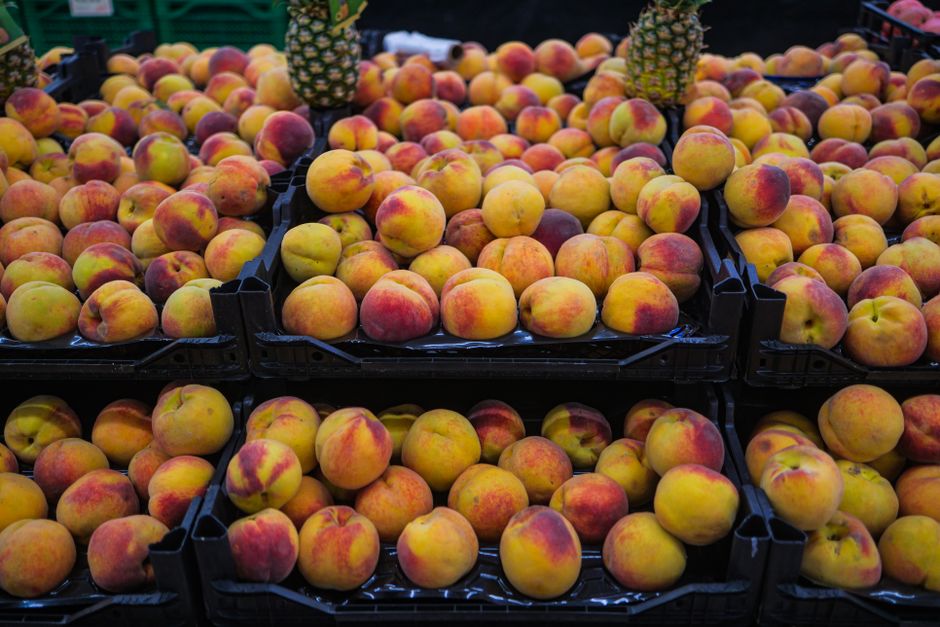
Canned peaches are a convenient and affordable way to enjoy fruit year-round, and for most people, they are a perfectly good choice. They retain most of the fiber and several key vitamins found in fresh peaches, though they often contain added sugar in the form of syrup. Choosing peaches packed in water or their own juice, rather than heavy syrup, makes them a much healthier option that fits well into a balanced diet.
How Do Canned Peaches Compare to Fresh Peaches?
Fresh peaches are picked at peak ripeness and sold quickly. Canned peaches are picked ripe and processed within hours, which locks in their nutritional value. The canning process does cause some loss of heat-sensitive nutrients, particularly vitamin C, but it preserves others like vitamin A and fiber very well.
The most significant difference is not the fruit itself but what is added to the can. Fresh peaches contain only natural sugars. Canned peaches may contain added sugar, depending on the packing liquid. This is the single biggest factor that determines whether canned peaches are a healthy choice for you.
What Is the Nutritional Profile of Canned Peaches?
A half-cup serving of canned peaches packed in water contains about 60 calories and roughly 15 grams of carbohydrates. The same serving packed in heavy syrup contains about 100 calories and 25 grams of carbohydrates, almost all of which is added sugar. That difference matters for anyone watching their weight or blood sugar.
Canned peaches provide a good source of vitamin C, though less than fresh peaches. They also contain vitamin A, potassium, and niacin. Importantly, the canning process does not significantly reduce the fiber content. A serving of canned peaches still provides about 1.5 grams of fiber, which supports digestion and helps you feel full.
The skin of the peach is where much of the antioxidant content lives. Canned peaches are usually peeled, which removes some of these beneficial compounds. However, the fruit itself still contains several important nutrients, including carotenoids, which give peaches their orange-yellow color.
Are Peaches In A Can Good For You If They Have Added Sugar?
Peaches packed in heavy syrup are not a bad food, but they are a source of added sugar that most people do not need. The 2020-2025 Dietary Guidelines for Americans recommend limiting added sugar to less than 10 percent of daily calories. For a 2,000-calorie diet, that is about 200 calories, or 50 grams, of added sugar per day.
A single half-cup serving of peaches in heavy syrup can contain 15 to 20 grams of added sugar. That is a significant portion of your daily limit from one small serving of fruit. It is not harmful occasionally, but it is not the best way to get your fruit servings.
Light syrup is a middle-ground option. It contains less sugar than heavy syrup but more than water or juice. If you are choosing canned peaches for convenience, look for labels that say “packed in water,” “packed in 100% fruit juice,” or “no added sugar.” These options give you the fruit without the unnecessary sugar load.





Do Canned Peaches Have Any Hidden Risks?
One concern with canned foods is the lining of the can itself. Many cans are lined with a material containing bisphenol A, commonly known as BPA. BPA is an endocrine disruptor, meaning it can interfere with hormone function. Because peaches are acidic, they can cause more BPA to leach from the can lining into the fruit.
Most major manufacturers have moved to BPA-free linings, but not all have. If this is a concern for you, look for cans labeled BPA-free. You can also choose peaches in glass jars, which eliminate this concern entirely. The science on BPA is still evolving, but reducing unnecessary exposure is a reasonable precaution.
Another consideration is sodium. Canned fruit is not typically high in sodium, but some brands add salt for flavor. Check the nutrition label. If you are managing blood pressure, choose varieties with no added salt.
What Is the Healthiest Way to Buy and Eat Canned Peaches?
The healthiest canned peaches are those packed in water or 100% fruit juice with no added sugar. These provide the same fruit nutrition without the extra calories. If you are used to the taste of syrup, the transition to water-packed peaches can take a little time, but most people adjust within a few weeks.
When you open a can, transfer any unused peaches to a glass or plastic container and refrigerate them. Do not leave them in the open can. This prevents a metallic taste and reduces the risk of the fruit absorbing more compounds from the can lining.
Canned peaches are versatile. They work well in smoothies, oatmeal, yogurt, or as a topping for pancakes. You can also use them in baking, though you may need to reduce the added sugar in the recipe because the fruit is already sweet. For a simple dessert, top canned peaches with a small scoop of plain Greek yogurt and a sprinkle of cinnamon.
Are Canned Peaches as Healthy as Frozen Peaches?
Frozen peaches are generally the closest nutritional match to fresh peaches. They are typically frozen without any added sugar or syrup, and the freezing process preserves most nutrients, including vitamin C, better than canning does. Frozen peaches are also peeled, so they share the same loss of skin-based antioxidants as canned peaches.
From a practical standpoint, both canned and frozen peaches are healthy options. Frozen peaches are excellent for smoothies and baking. Canned peaches are more convenient for quick snacks because they are ready to eat immediately. Neither is a poor choice. The healthiest option is the one you will actually eat and enjoy, as long as you choose canned varieties without added sugar.
How Many Servings of Fruit Should You Eat Per Day?
The Dietary Guidelines for Americans recommend about 2 cups of fruit per day for a 2,000-calorie diet. One cup of canned peaches counts as a serving of fruit. If you are eating canned peaches packed in syrup, you are still getting a serving of fruit, but you are also getting added sugar that you might not want.
Replacing some of your fresh fruit with canned peaches is fine. The fruit group includes fresh, frozen, canned, and dried forms. What matters most is the total amount of fruit you eat and the amount of added sugar you consume. A diet that includes a variety of fruits in different forms is generally a healthy approach.
Frequently Asked Questions
Are canned peaches in heavy syrup bad for you?
Canned peaches in heavy syrup are not bad for you, but they contain significant added sugar. Eating them occasionally is fine, but choosing water-packed or juice-packed versions is better for daily consumption.
Do canned peaches have any nutritional value?
Yes, canned peaches provide fiber, vitamin C, vitamin A, and potassium. The canning process reduces some vitamin C but preserves most other nutrients well.
Can I eat canned peaches if I have diabetes?
You can eat canned peaches with diabetes, but you should choose varieties packed in water or juice with no added sugar. Portion control matters because even natural fruit sugars affect blood glucose.
Is it safe to eat canned peaches every day?
It is safe to eat canned peaches every day as long as you choose varieties without added sugar. A half-cup serving of water-packed peaches is a healthy daily addition to most diets.
