
Yes, parasitic infections are common in humans, but the type and frequency depend heavily on where you live. In the United States, most people will never have a serious parasitic infection. However, certain parasites, like pinworms, are surprisingly frequent, especially in school-aged children. Globally, billions of people are affected by parasites each year, but the risk profile for someone in a developed country is very different from someone in a tropical region.
What Exactly Is a Parasite?
A parasite is a living organism that lives on or inside another organism, called a host, and gets its food from that host. They cannot survive and reproduce on their own. Humans can host a wide range of them, from single-celled organisms like Giardia to larger worms like tapeworms.
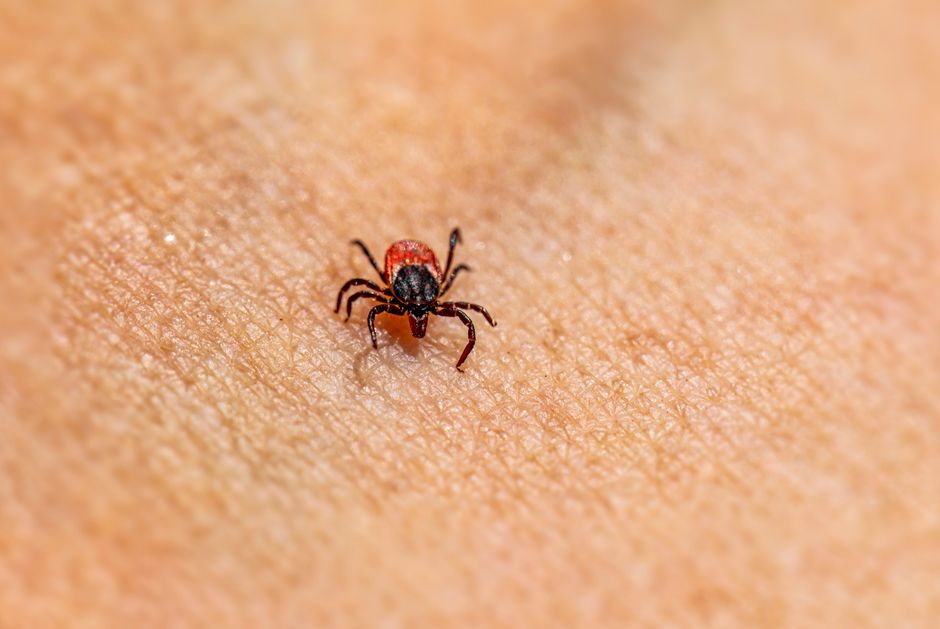
Parasites are not a single category of life. They span the biological kingdoms. Some are protozoa, which are microscopic single-celled organisms. Others are helminths, which are larger, worm-like parasites. There are also ectoparasites like ticks, fleas, and lice that live on the skin.
The way a parasite affects you depends on its type, its location in your body, and your overall health. Some cause no symptoms at all. Others can cause severe digestive distress, anemia, or organ damage.
How Common Are Parasites in the United States?
For most healthy adults in the US, the chance of having a serious parasitic infection is low. The sanitation infrastructure, food safety standards, and access to clean water keep most parasites out of the daily environment. Yet, they are not rare.
Pinworms are the most common parasitic infection in the US. They are highly contagious and spread easily in schools, daycare centers, and households. Some estimates suggest that pinworm infections affect millions of people in the US each year, with the highest rates in children between 5 and 10 years old.
Other parasites, like Giardia and Cryptosporidium, are common causes of waterborne illness. These protozoa can be found in lakes, rivers, and inadequately treated swimming pools. They are a leading cause of diarrhea outbreaks linked to recreational water.
Foodborne parasites like Trichinella, which comes from undercooked pork, and Toxoplasma, which is linked to undercooked meat and cat feces, are less common but still occur. Toxoplasmosis is estimated to infect around 40 million people in the US, though most never develop symptoms.
Are Parasites More Common in Certain Regions of the World?
Yes, the global picture is very different from the US. In many tropical and subtropical regions, parasitic infections are widespread. The World Health Organization identifies several neglected tropical diseases caused by parasites that affect over a billion people worldwide.
Soil-transmitted helminths, which include roundworms, whipworms, and hookworms, are the most common infections globally. These spread through soil contaminated with human feces. They are most prevalent in areas with poor sanitation and limited access to safe water.
Malaria, caused by the Plasmodium parasite, is transmitted by mosquitoes and is a major cause of illness and death in sub-Saharan Africa and parts of Asia and South America. Schistosomiasis, caused by a parasite that lives in freshwater snails, affects millions of people in Africa, South America, and Asia.
Travelers from the US to these regions can be exposed. The risk depends on the destination, the season, the length of stay, and the activities you engage in. Eating local street food, swimming in freshwater lakes, or walking barefoot in rural areas increases exposure risk.
What Are the Most Common Symptoms of a Parasitic Infection?
Symptoms vary widely based on the parasite involved. Many parasitic infections are completely asymptomatic. Your immune system may keep the parasite in check, or the parasite may live in your gut without causing noticeable problems.
When symptoms do occur, digestive issues are the most common. Diarrhea, abdominal pain, bloating, gas, and nausea are typical for intestinal parasites like Giardia and Cryptosporidium. These symptoms can last for weeks if untreated.
Anal itching, especially at night, is a classic sign of pinworms. The female pinworm lays eggs around the anus at night, causing intense itching. This is often the only symptom.
Other general signs can include unexplained weight loss, fatigue, anemia, and nutritional deficiencies. Some parasites feed on blood. Hookworms, for example, attach to the intestinal wall and can cause iron deficiency anemia over time.
Skin rashes, muscle pain, fever, and coughing can occur with certain parasites that travel through the body. Trichinella larvae migrate from the gut to muscle tissue, causing muscle pain and swelling around the eyes.
How Do People Get Infected with Parasites?
Transmission routes differ by parasite. The most common route is the fecal-oral pathway. This means you ingest tiny amounts of contaminated feces, usually through contaminated food or water. This is how Giardia, Cryptosporidium, and many worm eggs spread.
Poor hand hygiene is a major driver. Not washing hands after using the bathroom, before eating, or after changing a diaper can transfer microscopic parasite eggs to your mouth. Pinworms spread this way, especially among children who touch contaminated surfaces and then put their fingers in their mouths.
Undercooked or raw meat and fish can carry parasites. Pork can carry Trichinella. Freshwater fish can carry tapeworms. Beef can carry Taenia saginata. Proper cooking kills these parasites.
Contaminated water is another major source. Drinking untreated water from streams, lakes, or wells can expose you to Giardia and other protozoa. This is why hikers are often warned to filter or boil natural water sources.
Insect vectors transmit some parasites. Mosquitoes transmit malaria and some filarial worms. Sandflies transmit Leishmania. Tsetse flies transmit sleeping sickness. These are mostly regional risks.
How Are Parasitic Infections Diagnosed?
Diagnosis requires a medical evaluation. Your doctor will ask about your symptoms, travel history, and potential exposures. This information guides which tests to run.
Stool tests are the most common diagnostic tool for intestinal parasites. A stool sample is examined under a microscope for parasite eggs, cysts, or the parasites themselves. Multiple samples may be needed because parasites are not shed consistently every day.
For pinworms, a different method is used. A piece of clear tape is pressed against the anal area in the morning before washing. The tape is then examined under a microscope for pinworm eggs. This is called the tape test.
Blood tests can detect antibodies against certain parasites or identify the parasite itself in the bloodstream. These are used for malaria, toxoplasmosis, and some other systemic infections. Imaging tests like X-rays, CT scans, or ultrasounds may be used if a parasite is suspected in organs like the liver or lungs.
If you suspect you have a parasite, see a healthcare provider. Over-the-counter treatments are not appropriate for most parasitic infections. The correct medication depends on the specific parasite identified.
Can You Prevent Parasitic Infections?
Prevention is straightforward for most common parasites. Good hand hygiene is the single most effective measure. Wash your hands thoroughly with soap and water after using the toilet, before handling food, and after touching animals.
Food safety matters. Cook meat, fish, and poultry to safe internal temperatures. Wash fruits and vegetables thoroughly. Avoid raw or undercooked meat, especially pork and freshwater fish. Drink clean, treated water.
When traveling to areas with poor sanitation, be more cautious. Drink bottled or boiled water. Avoid ice made from tap water. Eat only peeled fruits and vegetables. Avoid food from street vendors unless it is cooked hot and served immediately.
For vector-borne parasites like malaria, prevention focuses on avoiding insect bites. Use insect repellent, sleep under insecticide-treated bed nets, and wear long sleeves and pants in high-risk areas. Antimalarial medications are available for travelers to high-risk regions.
Pets can transmit some parasites. Regular veterinary care and deworming for dogs and cats reduce the risk. Clean up pet feces promptly, especially in areas where children play. Wash hands after handling pets or cleaning litter boxes.
Are Parasites Common in Humans? The Bottom Line
Parasites are common globally, but your personal risk depends on where you live, your travel history, and your hygiene practices. In the US, most people will not face a serious parasitic infection, but pinworms and waterborne protozoa are common enough that you should know the signs.
Most parasitic infections are treatable with prescription medications. The key is getting an accurate diagnosis. Do not self-treat based on internet research. Many symptoms of parasitic infections overlap with other conditions like irritable bowel syndrome or food intolerances.
If you have persistent digestive symptoms, unexplained itching, or unexplained weight loss, talk to a doctor. A simple stool test can provide answers. The evidence for most parasitic infections is clear: they are diagnosed easily and treated effectively when caught.
Frequently Asked Questions
Can you have a parasite for years without knowing?
Yes, many parasitic infections are asymptomatic for long periods. Some parasites can live in the gut for years without causing noticeable symptoms, especially if the immune system keeps them under control.
How do I know if I have a parasite?
The only reliable way is through medical testing, usually a stool sample analysis. Symptoms like persistent diarrhea, anal itching, or unexplained weight loss should prompt a doctor visit.
Do I need to see a doctor for a possible parasite infection?
Yes, you should see a doctor. Prescription antiparasitic medications are required for most infections, and the correct drug depends on the specific parasite identified.
Can parasites go away on their own?
Some mild infections can resolve without treatment, but many will persist. Pinworms, for example, do not typically go away without treatment and spread easily to others in the household.
