
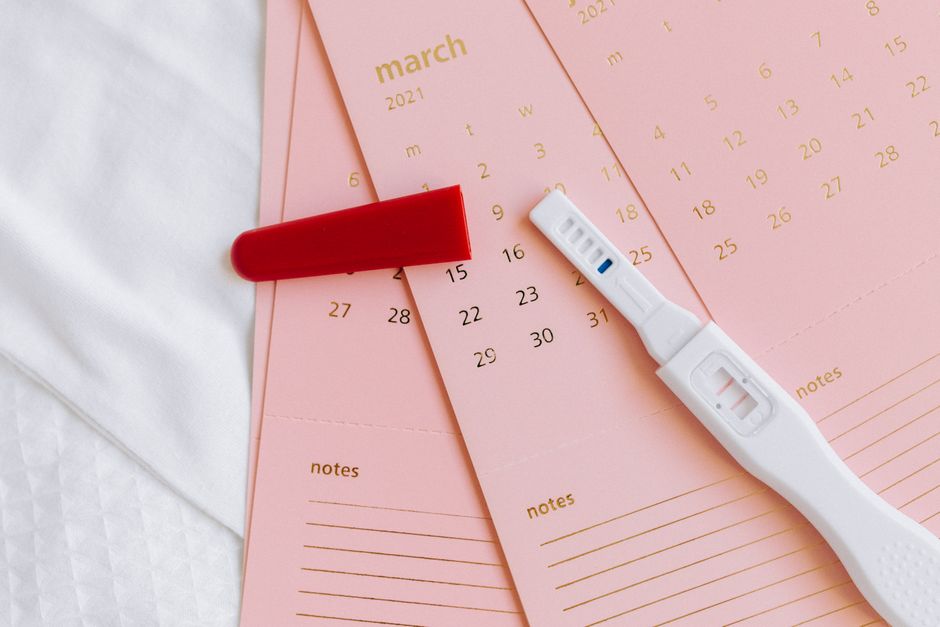
Ovulation tests are accurate for most people, most of the time. When used correctly, they detect the hormone surge that comes before ovulation with good reliability. But they have real limits, and they can be wrong in ways that matter if you are trying to conceive or trying to avoid pregnancy. Ovulation tests measure a hormone in urine. They do not confirm that an egg was actually released.
That last point surprises many people. A positive test tells you your body is gearing up to ovulate. It does not prove ovulation happened. Understanding that gap is the key to using these tests well.
Are Ovulation Tests Accurate?
For detecting the hormone they are designed to measure, ovulation predictor kits are generally accurate. They look for a rise in luteinizing hormone, or LH, in your urine. This is the hormone that triggers ovulation.
The LH surge usually happens 24 to 36 hours before an egg is released. A test that catches this surge is doing its job. Studies that compare urine LH tests to blood tests generally find they track well together.
Where accuracy gets complicated is what the result means. A positive test is a signal, not a confirmation. Your body can surge LH and still not release an egg. This is more common than many people realize, especially in certain health conditions.
So the fair summary is this: ovulation tests are reliable at detecting the LH surge. They are less reliable as proof that ovulation occurred.
How Do Ovulation Tests Actually Work?
Most ovulation tests are small strips or sticks you dip into urine or hold in your urine stream. A chemical on the strip reacts to LH. If LH is high enough, a second line appears or a digital reader shows a positive symbol.
LH is always present in your body at low levels. The test is looking for a surge above your baseline. That is why reading the result correctly matters. A faint line is usually negative. A line as dark as or darker than the control line is typically positive.
Digital tests take the guesswork out of reading lines. They measure the hormone and display a clear result. Some digital tests also track your personal baseline over several days, which can help catch your surge more reliably.
There is a detail worth knowing. LH appears in urine a few hours after it rises in your blood. So a urine test can lag slightly behind what is actually happening in your body. This rarely changes the practical timing, but it explains small differences between test types.
What Makes Ovulation Tests Less Accurate?
Several things can throw off a result. Some are about how you use the test. Others are about your body.
- Testing at the wrong time of day. LH surges often begin in the early morning and take time to show up in urine. Many people test in the afternoon or evening to catch it.
- Drinking too much fluid before testing. Diluted urine can lower the hormone concentration and hide a surge.
- Testing too late in your cycle. If you ovulate earlier than you expect, you can miss the surge entirely.
- Polycystic ovary syndrome (PCOS). Many people with PCOS have chronically elevated LH. This can cause repeated positive results that do not reflect true ovulation.
- Certain medications. Some fertility drugs contain hormones that interfere with results. So can some other prescriptions.
- Age and cycle changes. As people approach menopause, cycles and hormone patterns shift, which can make results harder to read.
PCOS deserves a closer look. In PCOS, the baseline LH level can be high enough that a test reads positive on many days. Someone relying on these tests could get false hope about timing. If you have PCOS, talk with a clinician about the best way to track ovulation for your situation.
Does a Positive Ovulation Test Mean You Ovulated?
No. A positive test means your body released a surge of LH. It does not confirm that an egg was released.
This is one of the most misunderstood points about ovulation tests. The surge is the trigger, not the event. In most healthy cycles, ovulation follows the surge. But in some cycles, the surge happens and ovulation does not.
This mismatch is more likely in certain situations, including PCOS, thyroid problems, and some cases of elevated prolactin. It also becomes more common as people get older.
If confirming ovulation matters for your situation, a clinician can check for it another way. A blood test for progesterone in the second half of the cycle is one common approach. Tracking basal body temperature can also show a sustained rise after ovulation, though it confirms ovulation only after the fact.
How Accurate Are Ovulation Tests Compared to Other Methods?
Different tracking methods answer different questions. None of them is perfect, but each has strengths.
| Method | What It Detects | Main Limitation |
|---|---|---|
| Urine LH test | The hormone surge before ovulation | Does not confirm ovulation happened |
| Basal body temperature | The temperature rise after ovulation | Confirms ovulation only in hindsight |
| Cervical mucus tracking | Changes linked to fertile window | Subjective and easy to misread |
| Blood progesterone test | Whether ovulation occurred | Requires a clinician and a blood draw |
Urine LH tests are popular because they give advance warning. They can tell you the fertile window is opening before ovulation happens. Basal body temperature tells you ovulation already occurred, which is too late for timing intercourse that cycle.
For most people trying to conceive, LH tests are a reasonable first tool. They are not the final word, and combining methods can give a clearer picture.
How Should You Use Ovulation Tests for Best Results?
Timing and consistency matter more than the brand you choose. A few habits improve your odds of catching the surge.
Start testing a few days before you expect to ovulate. If your cycles are regular, you can estimate this from your cycle length. If they are irregular, you may need to test over more days or start earlier.
Test at roughly the same time each day. Many people test in the afternoon or early evening, when LH is more likely to show up in urine. Try to limit fluids for a couple of hours before testing so your urine is not too diluted.
Keep testing after your first positive. Some people surge for a short time, and a single test can miss the peak. Following the instructions that come with your specific test matters, because reading methods vary between brands.
If you have been testing for several cycles without a clear positive, or your cycles are very irregular, that is worth raising with a clinician. It can point to something worth checking.
Can Ovulation Tests Be Used to Avoid Pregnancy?
Ovulation tests are not a reliable method of birth control. This is an important safety point.
Fertility awareness methods that use hormone tracking exist, but they require a structured approach and often combine several signals. A single urine LH test is not designed for contraception. Sperm can survive in the reproductive tract for several days, and the timing of the surge does not reliably predict the full fertile window.
If you are trying to avoid pregnancy, talk with a clinician about methods with evidence behind them. Relying on ovulation tests for this purpose carries a real risk of unintended pregnancy.
When Should You Talk to a Clinician?
Ovulation tests are a helpful tool, but they are not a substitute for medical advice. Consider speaking with a clinician if any of these apply to you.
- You have been trying to conceive for a year without success, or six months if you are 35 or older.
- Your cycles are very irregular or you rarely get a positive test.
- You have PCOS, thyroid problems, or another condition that affects hormones.
- You are using ovulation tests and getting repeated positives that do not match your cycle.
A clinician can check whether ovulation is actually happening and look for reasons it might not be. That is information a urine test alone cannot give you.
Frequently Asked Questions
Can an ovulation test be positive and you not ovulate?
Yes. A positive test shows an LH surge, but it does not confirm that an egg was released. This mismatch is more common in conditions like PCOS.
What time of day is best to take an ovulation test?
Many people test in the afternoon or early evening, when LH is more likely to appear in urine. Testing at the same time each day and limiting fluids beforehand can help.
How accurate are ovulation tests for predicting ovulation?
They are generally good at detecting the LH surge that comes before ovulation. They are less reliable as proof that ovulation actually occurred.
Can I use ovulation tests as birth control?
No. Ovulation tests are not a reliable method of contraception and should not be relied on to prevent pregnancy.
